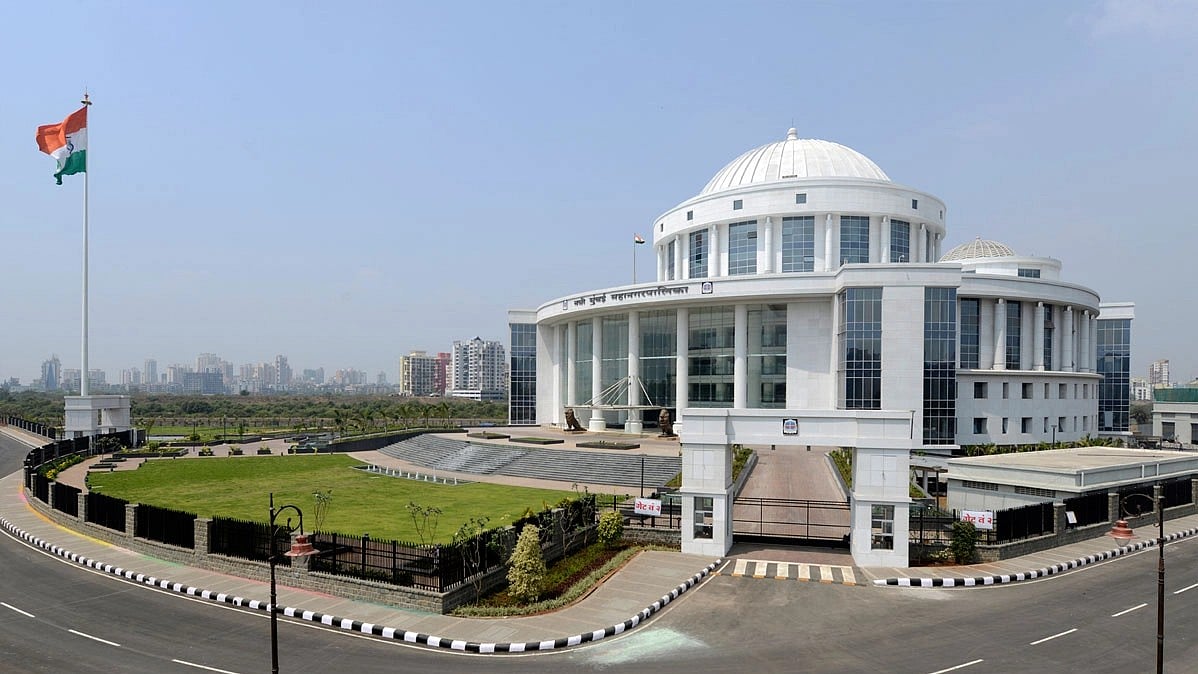
Navi Mumbai’s municipal finances have received a notable boost after the civic administration reported its highest-ever annual recovery from water charges, signalling improved fiscal discipline and stronger citizen compliance in urban service payments.
The achievement, recorded in the financial year ending March 2026, marks a significant milestone for the city’s revenue framework. The enhanced collection is expected to support investments in water supply infrastructure, a critical component of sustainable urban development in rapidly expanding metropolitan regions. Officials attribute the improved outcome to a combination of enforcement drives and technology-led interventions. The administration intensified follow-ups on pending dues while simultaneously simplifying payment systems, encouraging residents to shift towards digital transactions. As a result, the Navi Mumbai water tax collection saw a sharp uptick compared to previous years.
Urban finance experts highlight that stable and predictable revenue streams are essential for municipal bodies to maintain service quality and invest in long-term infrastructure. Water supply systems, in particular, require continuous capital expenditure for maintenance, network expansion and efficiency upgrades. Strong revenue recovery helps reduce reliance on external funding and improves the financial autonomy of local governments. A key factor behind the improved Navi Mumbai water tax collection has been the growing adoption of digital payment channels. Residents increasingly used online portals, mobile-based platforms and QR-enabled systems to clear dues, reducing transaction friction and administrative delays. Civic officials also expanded communication efforts, using multiple outreach channels to remind users of outstanding bills and payment deadlines.
Administrative measures were complemented by operational flexibility. Collection centres remained accessible during non-working days towards the close of the financial year, enabling wider participation from working residents. This approach helped improve last-mile compliance and ensured that payment opportunities were not restricted by conventional office hours. From a governance perspective, the development reflects a broader shift towards data-driven municipal management. Improved tracking of dues, real-time monitoring of collections and streamlined billing systems have contributed to greater transparency and accountability in revenue operations. Experts note that such systems can also help identify leakages and inefficiencies, strengthening overall financial management.
The outcome also carries implications for equitable urban services. Efficient revenue collection enables reinvestment into essential infrastructure, including water distribution networks in underserved areas. This aligns with the need for inclusive service delivery in growing cities, where demand for basic utilities continues to rise alongside population and real estate expansion. Looking ahead, sustaining this momentum will depend on continued digital adoption, transparent billing practices and consistent engagement with residents. As cities like Navi Mumbai expand, strengthening municipal revenue frameworks will remain central to building resilient, resource-efficient and citizen-focused urban systems.
Navi Mumbai Water Revenue Hits Record High