Maharashtra Unseasonal Rain Impacts Agriculture And Cities
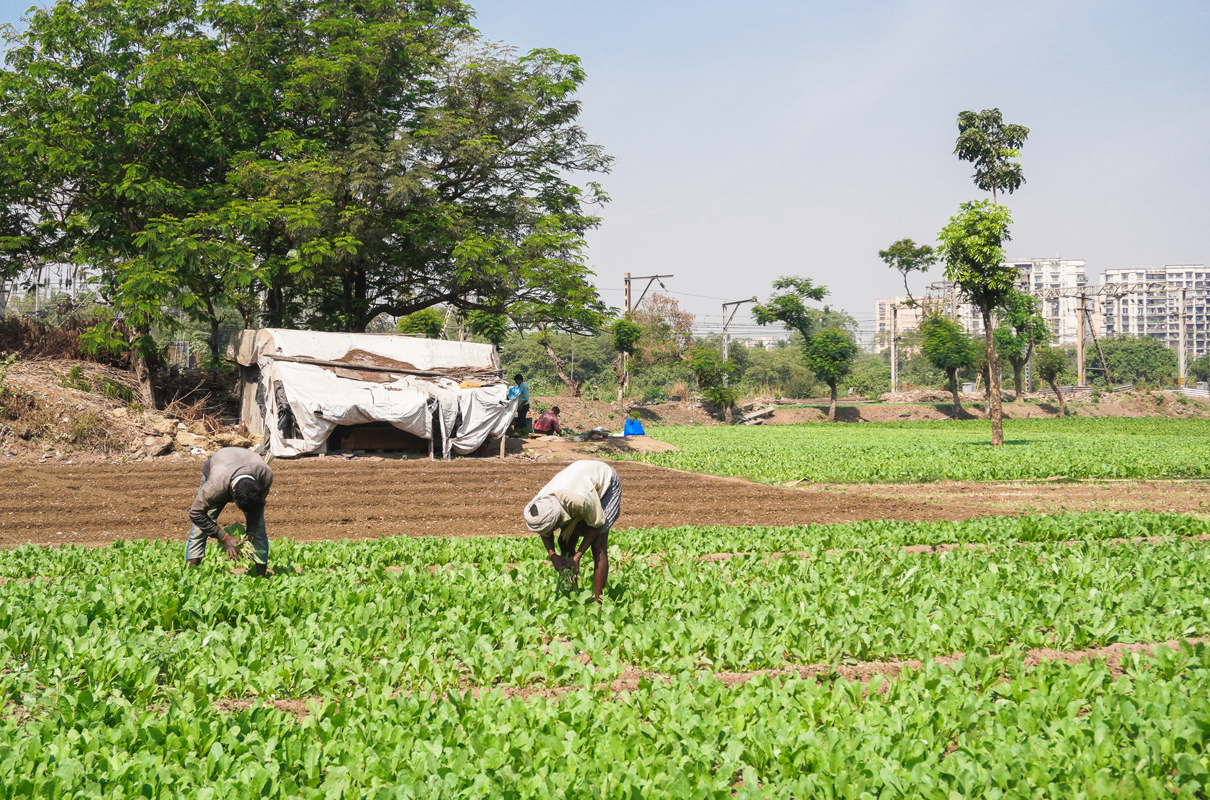
In a strategic effort to weave food production into the fabric of urban planning, Navi Mumbai has inaugurated its first Urban Agriculture Centre in the planned node of Kharghar, marking a significant step in sustainable city development and community-centric land use. The facility is positioned to bolster local food systems, support agripreneurship and enhance climate resilience within the Mumbai Metropolitan Region (MMR).
The centre occupies a parcel of land beneath high-tension transmission lines — space traditionally considered unsuitable for built development under conventional planning norms. Through a green zoning policy adopted by the City and Industrial Development Corporation (CIDCO), these transitional spaces are being reimagined as urban green assets. This land was originally allocated in 2008 for a modest nursery and agro-information facility; over time, steady community interest converted it into an active hub of urban farming activity. Urban planners and sustainability experts view this initiative as a pragmatic response to escalating urban density and limited open land. “Repurposing underutilised corridors for cultivation and green education not only mitigates urban heat island effects but also creates resilient food networks,” said a senior urban development specialist familiar with the project. The centre’s location near a major public junction in Sector 5 also enhances accessibility for residents across Navi Mumbai.
A key component of the centre’s mission is capacity building. In partnership with a state-run agricultural university, the facility will host structured training programmes, practical demonstrations and short courses on topics such as natural farming, urban horticulture and micro-enterprise cultivation techniques. This collaborative model blends academic research with grassroots outreach, enabling apartment dwellers, students and aspiring agri-entrepreneurs to engage with farming practices adapted to dense urban settings. The initiative is expected to spur micro-business opportunities and improve local engagement with sustainable food production, aligning with broader goals of community self-reliance and circular urban economies. “Urban agriculture can play a role in improving food security, increasing biodiversity and strengthening climate adaptation,” noted a sustainability consultant. By facilitating direct interaction between residents and cultivation practices, the centre also aims to reconnect urban populations with natural systems often absent from metropolitan daily life.
However, stakeholders emphasise that such efforts must dovetail with broader infrastructure planning to maximise impact. Connectivity, water-efficient systems and integration with local markets are critical to scaling urban agriculture beyond demonstration plots and into meaningful supply chains. Urban planners also stress the importance of linking these efforts with neighbourhood design, waste recycling and community green space strategies to avoid fragmentation of city resources.
As Navi Mumbai continues to evolve as a planned city with robust residential and commercial expansion, the Agriculture Centre sets a precedent for embedding sustainable food systems within the urban milieu. Its success may serve as a blueprint for other metropolitan regions seeking equitable, climate-responsive approaches to grow healthier, greener and more resilient cities.