


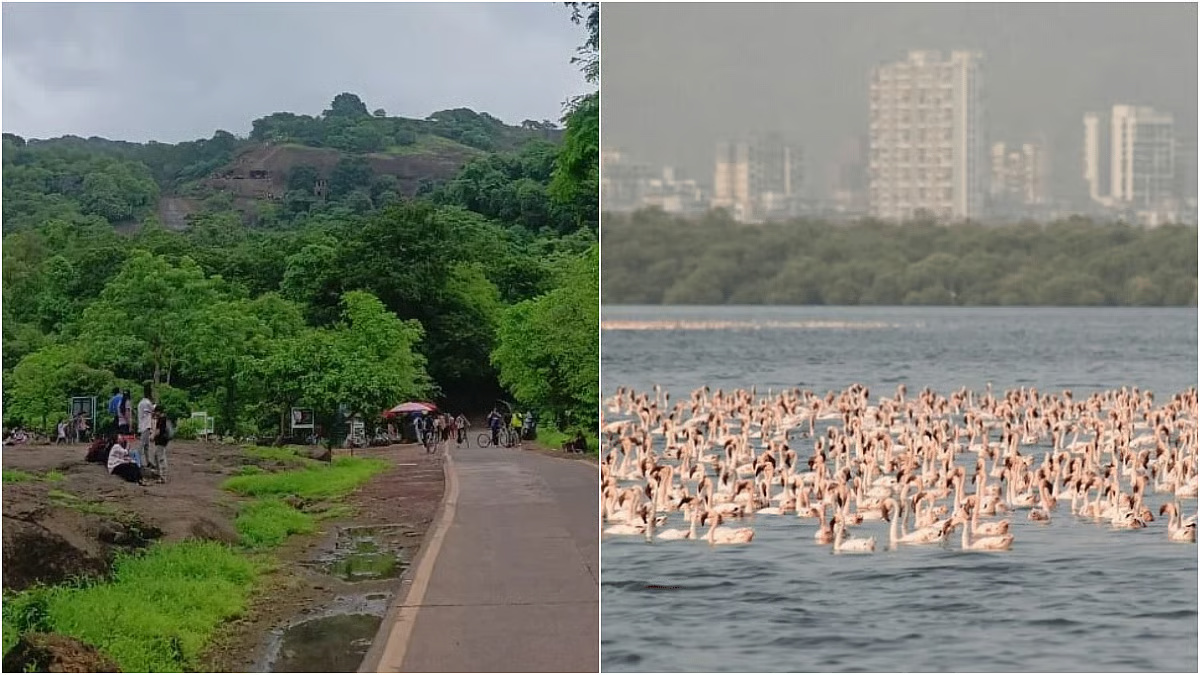
The annual arrival of flamingos in Navi Mumbai has been delayed this season, with environmentalists attributing the shift to an unusually prolonged monsoon and extended post-monsoon showers. Experts say the change in migration timing underscores the growing vulnerability of the city’s wetlands — vital ecosystems that act as natural buffers against flooding and climate impacts.
According to environmental experts, flamingos are among the most sensitive bioindicators of ecological health. Their migration patterns reflect the quality of wetland habitats, particularly the availability of microalgae and diatoms on which they feed. The delay in their arrival, coupled with reports of reduced flock sizes, has sparked concern about the sustainability of the region’s coastal ecology. “Flamingos are the ambassadors of a healthy environment. When their numbers drop or their arrival is delayed, it indicates that the wetlands are under stress,” said an environmental foundation head. “These water bodies play an essential role in carbon sequestration, groundwater recharge, and biodiversity support. Losing them to reclamation or pollution would have serious climate consequences for coastal cities.”
Flamingos serve not only as symbols of ecological resilience but also as active participants in maintaining the wetland ecosystem. As filter feeders, they consume microscopic organisms while stirring up sediment — a process known as bioturbation — that oxygenates mudflats and balances nutrient levels. This natural cycle sustains a diverse web of aquatic life, from crustaceans to migratory fish species. Data from the Bombay Natural History Society (BNHS) and the Thane Creek Flamingo Sanctuary Management Plan (2018) highlight a direct correlation between the health of algal populations and the size of flamingo flocks. Experts warn that ongoing debris dumping, encroachments, and restricted tidal flow are steadily eroding the ecological capacity of Navi Mumbai’s wetlands to support migratory birds.
Environmentalists are urging authorities and urban planners to treat wetlands as critical climate infrastructure rather than vacant land awaiting development. Protecting them, they say, is essential to ensuring the city’s resilience against extreme weather events such as tidal flooding and cyclonic surges — both of which have increased in frequency due to climate change. “Wetlands are not optional,” said a senior ecologist. “They are our first line of defence against the climate crisis. The delayed arrival of flamingos is a timely reminder that protecting natural ecosystems must be central to urban planning.”
Also Read: BMC Explores Monopile Method To Save ₹27-Crore Savarkar Flyover In Goregaon
