Navi Mumbai Records Major Water Tunnel Breakthrough
A critical milestone in urban water infrastructure was reached this week as the City and Industrial Development Corporation of Maharashtra (CIDCO) achieved a breakthrough in the treated water tunnel under the Hetawane Water Supply Augmentation Scheme, potentially reshaping long‑term water security for the rapidly expanding satellite city. The mechanised tunnelling breakthrough — completed months ahead of schedule — underscores renewed emphasis on resilient utility networks amid rising demand from residential, commercial and industrial users.
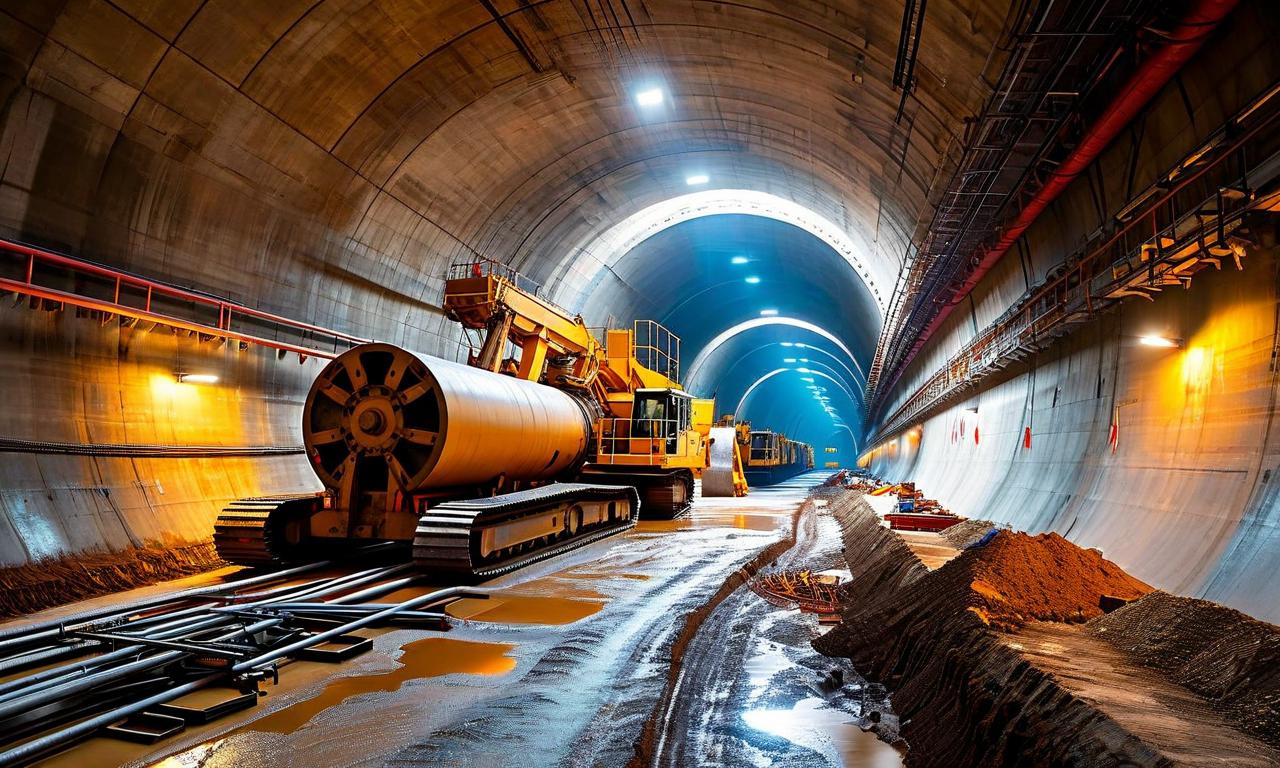
The treated water tunnel, part of the larger Hetawane scheme, forms a core component of CIDCO’s strategy to double its bulk supply capacity from roughly 150 million litres per day (MLD) to about 270 MLD by late 2029. This enhancement is critical as Navi Mumbai’s population growth and urban expansion increasingly strain existing systems that provide potable water and support economic activities.Engineers excavated the 6.27‑kilometre segment using a 3.2‑metre‑diameter tunnel‑boring machine (TBM) named “Tiboti Khandya”. Over January 2026 alone, excavation reached a record 812.466 metres — the highest single‑month TBM advance recorded nationally — while maintaining an impeccable safety record of more than one million man‑hours with zero incidents.Urban infrastructure experts note that mechanised tunnelling, especially with high‑precision TBMs, minimises surface disruption — a significant advantage in densely populated urban and peri‑urban landscapes like Navi Mumbai. This approach also aligns with escalating expectations for efficient delivery of utility projects without compromising community life or environmental integrity.
Completion of the tunnelling phase now clears the path for the next stages of construction — including installation of conveyance systems and integration with treatment facilities — bringing the region closer to a more reliable water network. For communities and businesses in nodes such as Panvel, Kharghar and beyond, this development could alleviate ongoing supply stress that has intermittently disrupted daily life and economic activity in recent years.Navi Mumbai’s dependency on pipeline extensions and supplementary sources has been longstanding, with past delays in related projects contributing to periodic water shortages and civic frustrations. Urban planners warn that infrastructure gains must be synchronised with distribution upgrades and demand‑management innovations to ensure the full benefits reach consumers equitably across socioeconomic strata.City authorities say the breakthrough reflects coordinated execution between CIDCO and contracting partners and sets a performance benchmark for future work on the Hetawane scheme. As cities nationwide contend with resource constraints and climate variability, such projects demonstrate how strategic investment in backbone utilities can build resilience into the urban fabric while supporting sustainable growth.
Looking ahead, the focus now turns to completing the remaining works on schedule and integrating this infrastructure with broader regional plans for water security — a critical prerequisite for Navi Mumbai’s aspirations as a livable, climate‑adaptive metropolis.