Navi Mumbai Prioritises Public Transport And Green Mobility For Sustainable Growth (1)
A strategic mobility blueprint is being formulated for Navi Mumbai, a critical step toward future-proofing one of the nation’s fastest-growing urban centres. This comprehensive plan, with a long-range vision extending to 2054 and beyond, seeks to proactively address the transport challenges posed by rapid development and a host of large-scale infrastructure projects. The initiative is designed to create a versatile, inclusive, and forward-looking transportation network, directly aligning with the broader goal of building zero net carbon, sustainable, and equitable cities for the next generation of residents.
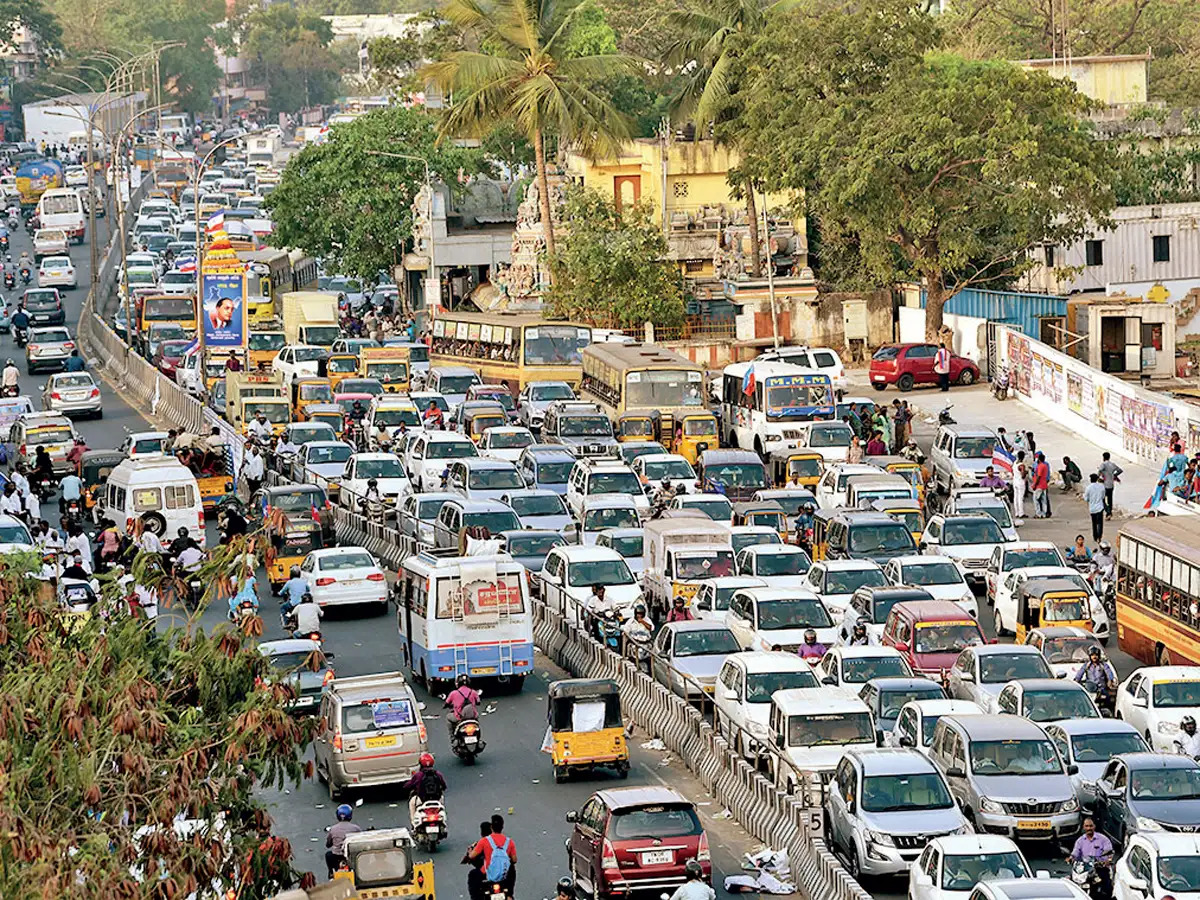
The necessity for this long-term strategy is driven by an unprecedented surge in new infrastructure. The Navi Mumbai International Airport is set to become a major regional hub, while the Atal Setu (Mumbai Trans Harbour Link) and the Metro Line 8 will fundamentally alter the connectivity landscape. These projects, combined with the ongoing expansion of suburban rail and corporate hubs, are projected to substantially increase traffic volumes. The new plan will serve as a guiding framework, ensuring that this influx of infrastructure and population growth does not lead to gridlock but instead creates a seamless, integrated network that serves all citizens efficiently.
A core tenet of the new mobility framework is its multi-modal approach, which signals a significant shift away from private vehicle dependency. The plan will intentionally integrate and prioritise public transport, alongside non-motorised modes such as walking and cycling. By championing these eco-friendly and equitable transport options, the city is taking a stand to reduce its carbon footprint and promote healthier lifestyles. This will not only make movement safer and more efficient for commuters but also contribute to a greener, more liveable urban environment by reducing pollution and congestion.
The final plan is expected to be a collaborative effort, involving extensive consultation with urban planners and transport experts. Its key objective is to identify existing gaps in the city’s transport infrastructure and create a phased roadmap for future investments. The focus will remain on network integration and environmental impact reduction, a crucial pivot for a city that is already home to a vast road network and a growing metro system. This commitment to a holistic, citizen-centric approach positions Navi Mumbai as a model for sustainable urban development in the country.