


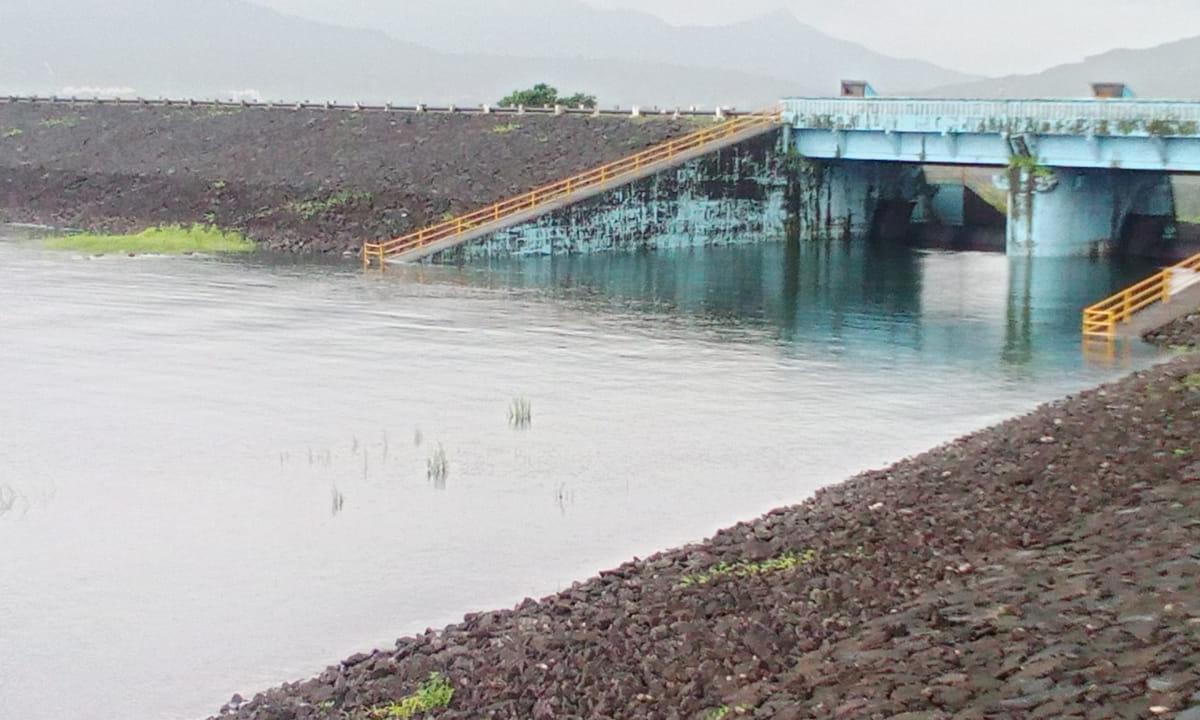
Navi Mumbai’s primary reservoir at Morbe Dam has surged to 50 percent capacity in June, the highest level recorded this month in three years, providing a stable water supply through early November and marking a critical milestone in the city’s sustainable resource management. Thanks to an early and robust monsoon, the dam now holds sufficient storage to meet urban demand for approximately 134 days, eliminating the need for any water cuts this June—the peak of dry-season strain.
Rainfall at the catchment so far has reached an impressive 1,040 mm, compared with just 18 mm by late June last year, pushing water levels to 75.99 metres from 68.45 metres two years ago. Serving as the lifeline for areas from CBD Belapur to Airoli, Kharghar and Kamothe, Morbe Dam’s health directly translates into uninterrupted household and industrial supply. In contrast to 2023—when prolonged dry spells necessitated rationing—this year’s reservoir volumes have allowed for steady distribution without any disruption . Last year, a full reservoir was only achieved by late August. This year, with the dam already halfway filled in June, it’s poised to reach capacity well before the usual timeframe—provided monsoon rains persist through July . The dam’s current stock, rated as sufficient for 122–134 days by municipal officials, is a testament to improved hydrological management .
Yet, as urban growth continues apace, ensuring equitable access and sustainability remains crucial. With rapid population increases, smart increases in water storage capacity and advance infrastructure investment—like floating solar and hydroelectric tenders announced earlier—will help future-proof supply amid climate variability .The Morbe Dam’s performance this season echoes a broader narrative of climate resilience and proactive infrastructure governance. As NMMC continues to integrate green energy and expand capacity, residents can take cautious optimism in knowing their water security is backed by both environmental abundance and strategic planning.
However, the long-term outlook hinges on prudent resource use and continued investment. Municipal authorities are calling on citizens to conserve water despite ample reserves, underscoring that storage today does not guarantee protection from drought tomorrow . In a region frequently challenged by uneven rainfall, Morbe Dam’s strong June performance offers hope—but also prompts a broader conversation on sustainable urban water management. With climate patterns growing more erratic, the city’s commitment to eco-friendly, resilient infrastructure will determine whether today’s reservoir success becomes tomorrow’s norm or a momentary reprieve.
Also Read :Pune monsoon raises Khadakwasla dam levels
