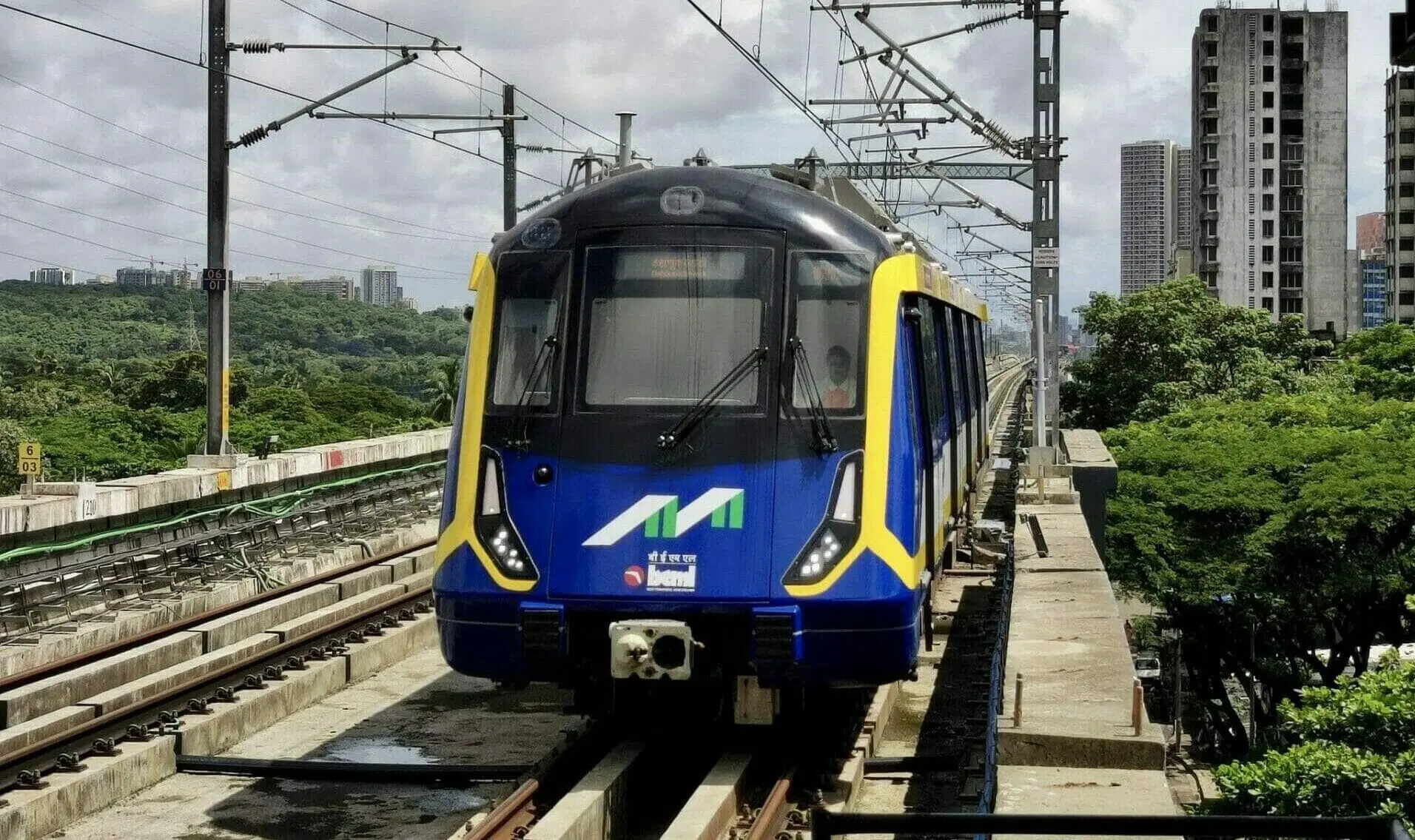
Navi Mumbai’s long‑anticipated second metro corridor has received formal approval from the Maharashtra government, unlocking a key expansion of the city’s sustainable transit network after more than a decade in the planning pipeline. The 8.15‑kilometre Metro Line 2, running from Taloja to Khandeshwar, has now secured a budgetary allocation of ₹5,575 crore, setting the stage for enhanced connectivity across residential, industrial and commuting hubs while reinforcing equitable mobility for diverse urban communities.
City planners characterise this nod as a strategic milestone in ushering Navi Mumbai toward an integrated transport future that reduces car dependency and strengthens links within the metropolitan region. Introduced originally by the City and Industrial Development Corporation (CIDCO) around 15 years ago, the corridor aims to relieve pressure on congested roads, improve access to employment clusters and provide a resilient alternative to private vehicle use — a core tenet of people‑first sustainable cities. Eight stops are proposed along the new corridor, weaving through communities such as Sector 10 Kamothe, Kalamboli and MIDC zones, and creating opportunities for stronger land‑use integration and transit‑oriented development. Experts see this as a chance to guide investment into emerging neighbourhoods and unlock housing and economic density around nodes that traditionally lack rapid transit coverage.
Beyond commuter convenience, Metro Line 2 aligns with broader climate resilience objectives by offering a low‑carbon modal shift in an area experiencing rapid population growth. Urban transport studies consistently link well‑planned metro systems with reductions in local air pollution and greenhouse gas emissions, especially when paired with last‑mile connections such as feeder buses and cycle‑friendly infrastructure. For residents and businesses, the approval signals tangible improvements in daily life. Transit planners suggest that reduced travel times and more reliable journeys will benefit workers in industrial belts and students alike, while also easing the load on overloaded arterial roads — an outcome that supports economic productivity and community welfare. Implementation will require careful coordination among state agencies, CIDCO and private partners in a public‑private partnership model. Professionals note that unlocking timely execution hinges on streamlined land acquisition, early contractor engagement and clear alignment with broader regional transport networks such as the existing Navi Mumbai Metro Line 1 and future links to the Mumbai Metro and suburban rail systems.
As Navi Mumbai prepares to welcome this expanded metro backbone, attention is also turning to supporting infrastructure — pedestrian access, multimodal hubs and equitable ticketing policies — that ensure the broader community reaps the full benefits of enhanced mobility. For a fast‑growing city at the heart of Maharashtra’s urban economy, this corridor represents a meaningful leap toward greener, more inclusive transport infrastructure.