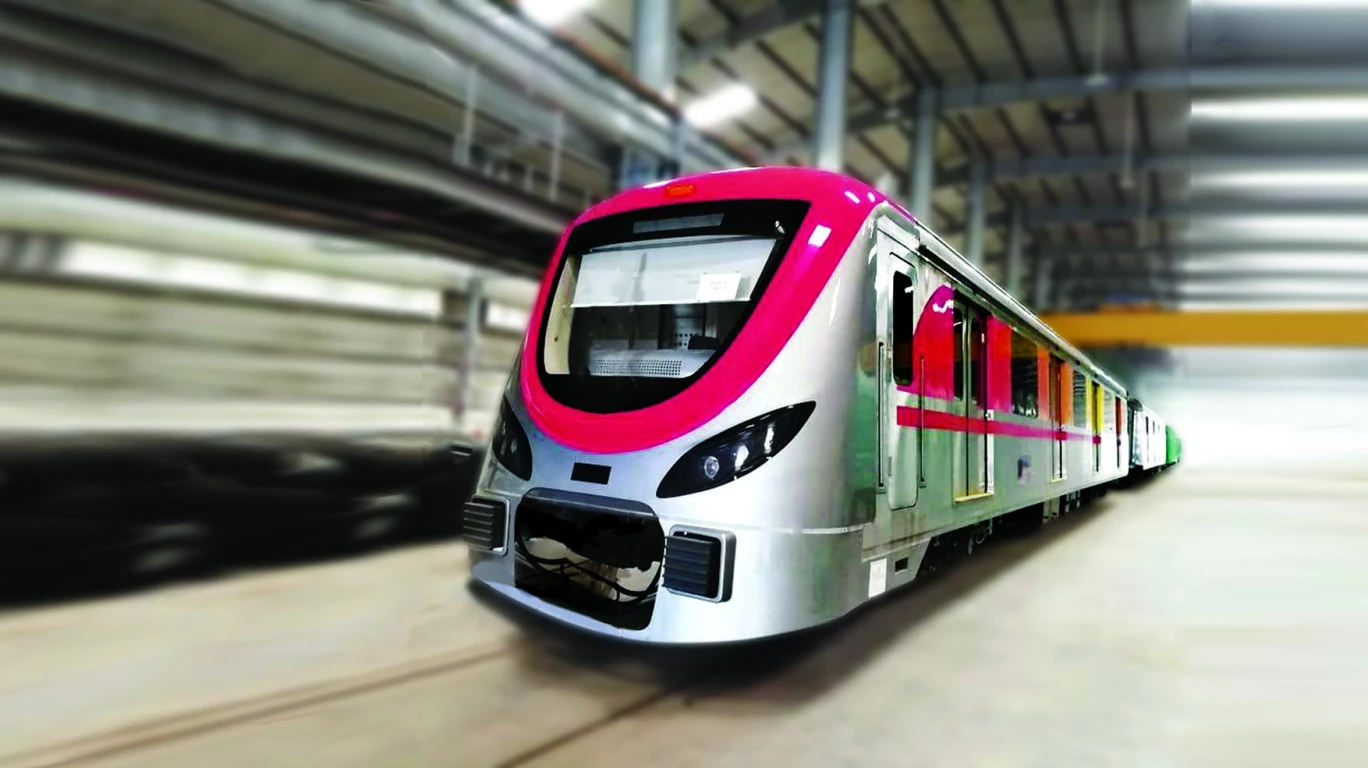
Navi Mumbai Metro Line 1 Reaches 1 Crore Ridership In Two Years
Navi Mumbai’s Metro Line 1 has crossed a landmark ridership of one crore passengers within just two years of operations, signalling a crucial shift towards sustainable urban mobility. The line, which runs from Belapur to Pendhar, commenced services on 17 November 2023 and has since become a backbone for commuters in the rapidly expanding satellite city.
Officials from the city development authority confirmed that the ridership milestone was achieved on 6 September 2025. They emphasised that the achievement underscores growing commuter confidence in metro systems as reliable, efficient, and environmentally responsible transport options in India’s fast-urbanising regions.
The corridor has particularly strengthened connectivity for offices in the central business district of Belapur, as well as industrial hubs like Taloja MIDC and residential clusters in Taloja and Kharghar. For thousands of daily commuters, the metro has provided a viable alternative to road-based transport, easing congestion while reducing vehicular emissions.Recognising the demand for punctual and convenient service, the metro operator has optimised its timetable. Trains now run every 10 minutes during peak hours and every 15 minutes in non-peak slots, ensuring greater accessibility and reducing wait times. Officials highlighted that frequency adjustments have been carefully planned to balance efficiency with sustainability goals.
Affordability has also played a pivotal role in driving ridership. With fares starting at ₹10 and capped at ₹30, the metro has managed to strike a balance between financial viability and commuter convenience. Experts argue that such accessible pricing not only makes daily travel affordable for working professionals but also encourages a shift away from private vehicles, directly contributing to lower carbon emissions.Transport experts note that the Navi Mumbai Metro’s growth mirrors broader trends in Indian cities, where sustainable mass transit is increasingly seen as central to equitable and eco-friendly development. By offering an integrated network that supports last-mile connectivity, metros are enabling more inclusive access to employment, education, and housing opportunities.
The success of Metro Line 1 also carries important lessons for other upcoming corridors across Maharashtra and India. Officials stress that consistent investment in green public transport infrastructure is essential if urban centres are to meet climate goals while keeping pace with population growth.As Navi Mumbai continues to evolve as a modern urban hub, the metro’s early ridership success demonstrates the appetite for well-planned, commuter-friendly systems. While challenges of expansion and integration remain, the one crore milestone reaffirms the metro’s role as a transformative force in shaping more sustainable, accessible, and equitable Indian cities.