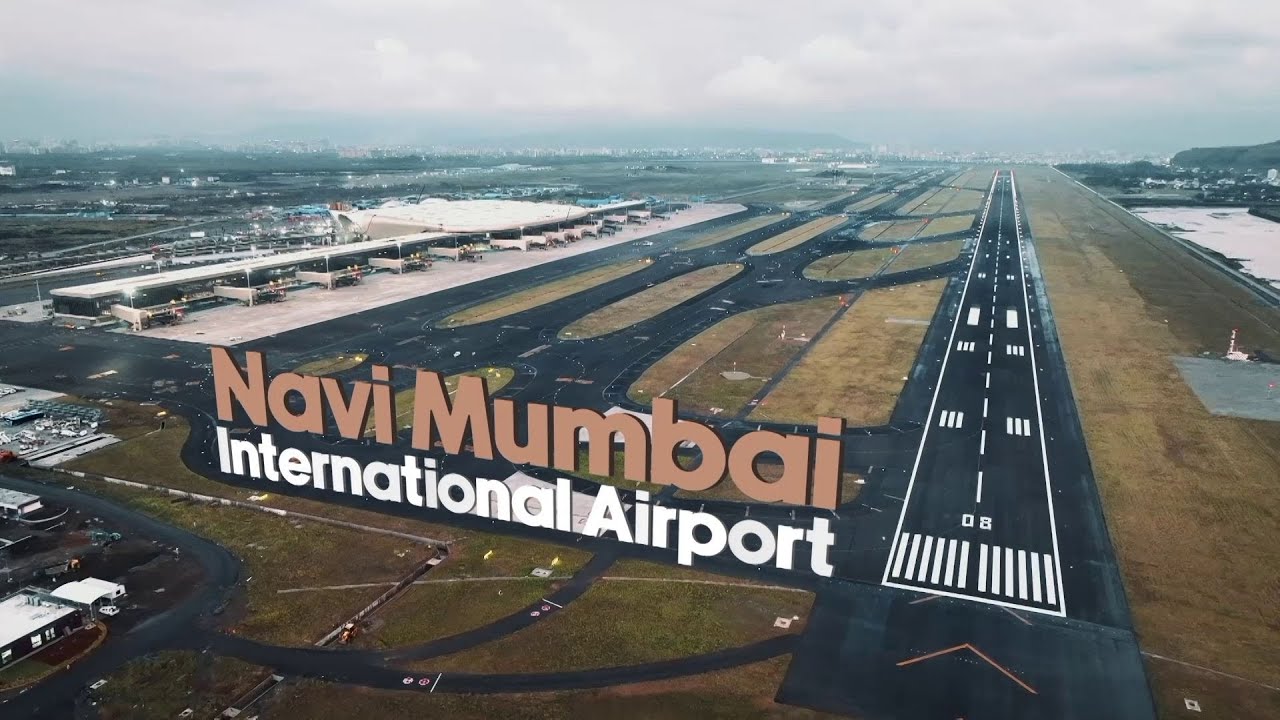
A Navi Mumbai-based social organisation has moved the Supreme Court, escalating a long-running dispute over the naming of the Navi Mumbai International Airport and bringing renewed focus to the intersection of civic identity, infrastructure governance and public sentiment in the Mumbai Metropolitan Region.
The petition challenges a recent Bombay High Court order that declined to intervene in a public interest plea seeking a time-bound decision on naming the airport after a prominent social activist associated with land acquisition movements in the region. The High Court had ruled that it could not compel the Union government to accept or act upon such a proposal, citing the absence of a legally enforceable right. In its appeal before the apex court, the organisation argues that the High Court misunderstood the scope of the relief sought. According to the petition, the plea did not seek to dictate the outcome of the naming process but asked for a non-arbitrary and time-bound decision by the Union Ministry of Civil Aviation on a proposal that has remained pending for several years despite repeated endorsements at the state level.
The petition outlines that the naming process began in 2021, when representations were first submitted to state authorities and the planning agency overseeing the airport’s development. This was followed by formal approval from the Maharashtra Cabinet in 2022 and resolutions passed by both Houses of the state legislature. These approvals were subsequently forwarded to the Centre, which retains final authority under existing aviation protocols. Despite these steps, the formal notification has not been issued, even as the airport has commenced full commercial operations. Legal experts say this has exposed a governance gap, where large-scale urban infrastructure becomes operational while symbolic and community-linked decisions remain unresolved.
A central argument in the Supreme Court petition is the potential impact on public order. The organisation has warned that prolonged inaction could trigger large-scale protests across the metropolitan region, particularly among communities that associate the proposed name with historic land acquisition struggles and rehabilitation policies. Urban governance specialists note that naming disputes, while symbolic, often carry deep socio-political significance in rapidly urbanising regions. The petitioner has urged the court to treat the matter as one of preventive justice, arguing that judicial oversight could help avert unrest and provide administrative clarity. Interim relief has been sought to pause the effect of the High Court ruling and require both Union and state governments to explain the delay since 2022, along with a clear timeline for a final decision.
Officials familiar with airport governance say naming protocols often involve multiple layers of approval, but acknowledge that prolonged uncertainty can undermine public trust, especially when infrastructure projects rely heavily on land contributions from local communities. As Navi Mumbai positions itself as a future-ready urban hub anchored by new transport infrastructure, experts argue that transparent and timely decision-making will be essential to ensuring inclusive development. The Supreme Court’s response may therefore shape not only the airport’s identity but also broader expectations around accountability in city-building processes.
Navi Mumbai Group Approaches Supreme Court After High Court Rejects DB Patil Airport PIL