


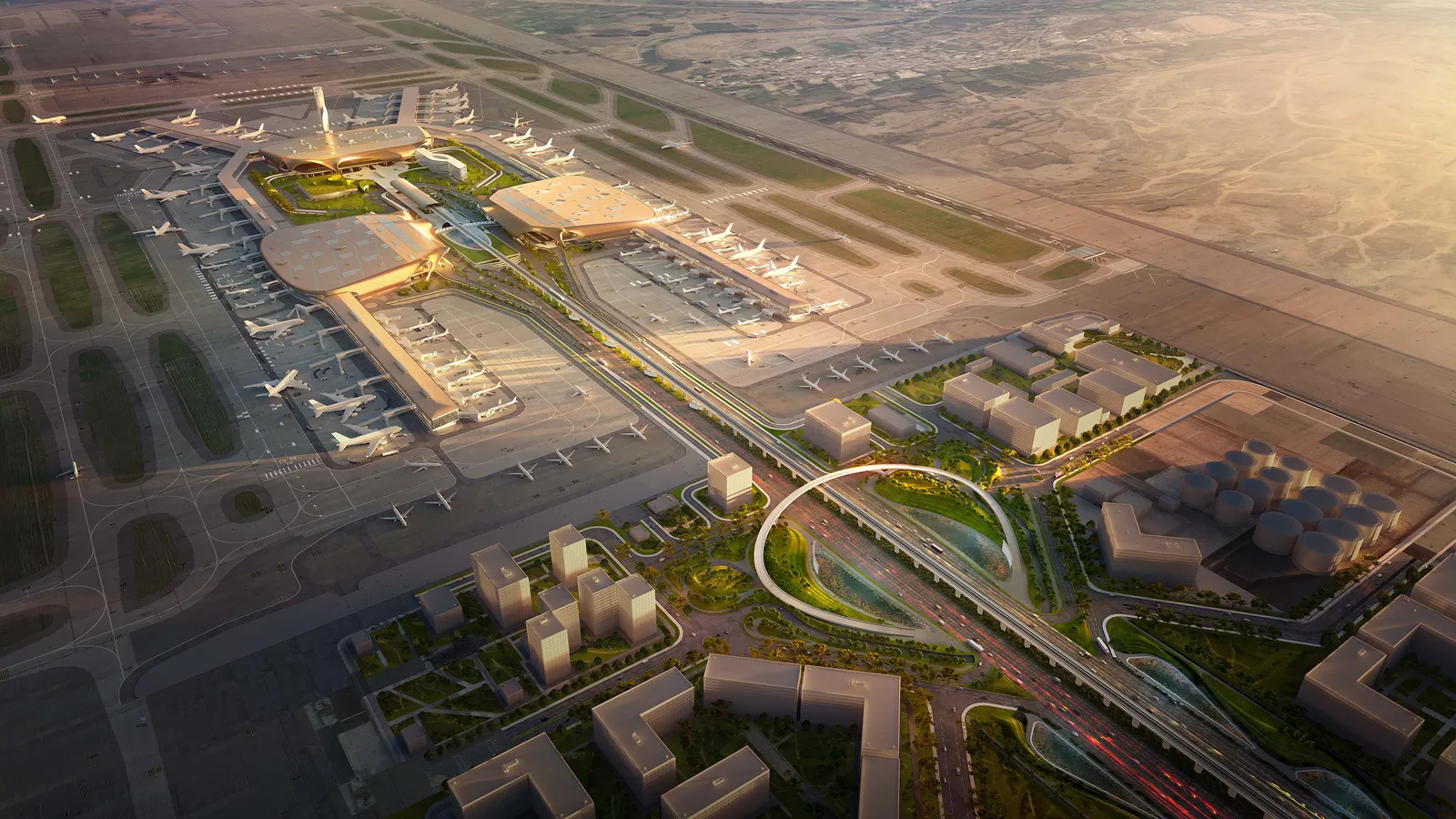
Travellers flying out of the soon-to-be operational Navi Mumbai International Airport (NMIA) will face some of the highest user development fees (UDF) in the country, nearly five times those charged at Mumbai’s existing airport. The Airports Economic Regulatory Authority (AERA) has approved a levy of Rs 840 for domestic passengers and Rs 1,500 for international travellers beginning in FY26.
By comparison, departing domestic passengers at Mumbai airport currently pay around Rs 170, while international travellers pay between Rs 655 and Rs 810 depending on category. The steep differential underscores the formula-driven tariff model used by AERA, where newer airports with higher capital investments carry elevated charges in the early years. Over time, these charges decline as infrastructure costs are recovered. Officials clarified that operators have little control over these charges. AERA independently determines the UDF after assessing project cost inputs, future passenger traffic, and funding requirements for infrastructure development. At Navi Mumbai, the massive scale of investment—including a second runway, multiple terminals, and automated people movers—has been factored into the higher initial fee.
Comparisons with other airports reveal that Navi Mumbai is not an exception. Kannur airport levies Rs 850 on domestic flyers and Rs 1,798 on international travellers, while Thiruvananthapuram charges Rs 840 and Rs 1,680 respectively. Chandigarh’s fees also remain significantly higher than legacy hubs such as Delhi, where domestic passengers currently pay Rs 129 and international travellers between Rs 650 and Rs 810. Industry experts noted that the elevated UDF could impact airlines’ ticket pricing strategies. With Navi Mumbai airport expected to commence operations in November with both domestic and international flights, carriers may find it challenging to maintain competitive fares once the statutory levies are factored in. This, analysts say, could initially shift budget-conscious travellers back to Mumbai airport, which will continue to operate under lower tariffs.
Adani Airport Holdings Limited, which will operate NMIA along with seven other airports in India, has outlined investment plans of over Rs 57,000 crore for the project. Executives argue that while the fee appears steep, it is essential to fund long-term infrastructure creation, positioning Navi Mumbai as a critical hub for both domestic and international connectivity. Officials from the Ministry of Civil Aviation confirmed that AERA’s methodology applies uniformly to all major airports, irrespective of ownership. A similar upward revision of charges is expected at Lucknow, Ahmedabad, and Thiruvananthapuram airports by FY26, before rates eventually taper off.
For Navi Mumbai residents and frequent flyers, the higher charges represent both the promise and the price of state-of-the-art aviation infrastructure. While the short-term pinch may weigh on household travel budgets, the long-term potential of reduced congestion, world-class facilities, and expanded global links places the airport at the heart of the region’s future mobility story.
Also Read : Mumbai Civic Body Flags 12 Bridges Unsafe For Heavy Loads This Ganesh Chaturthi
