


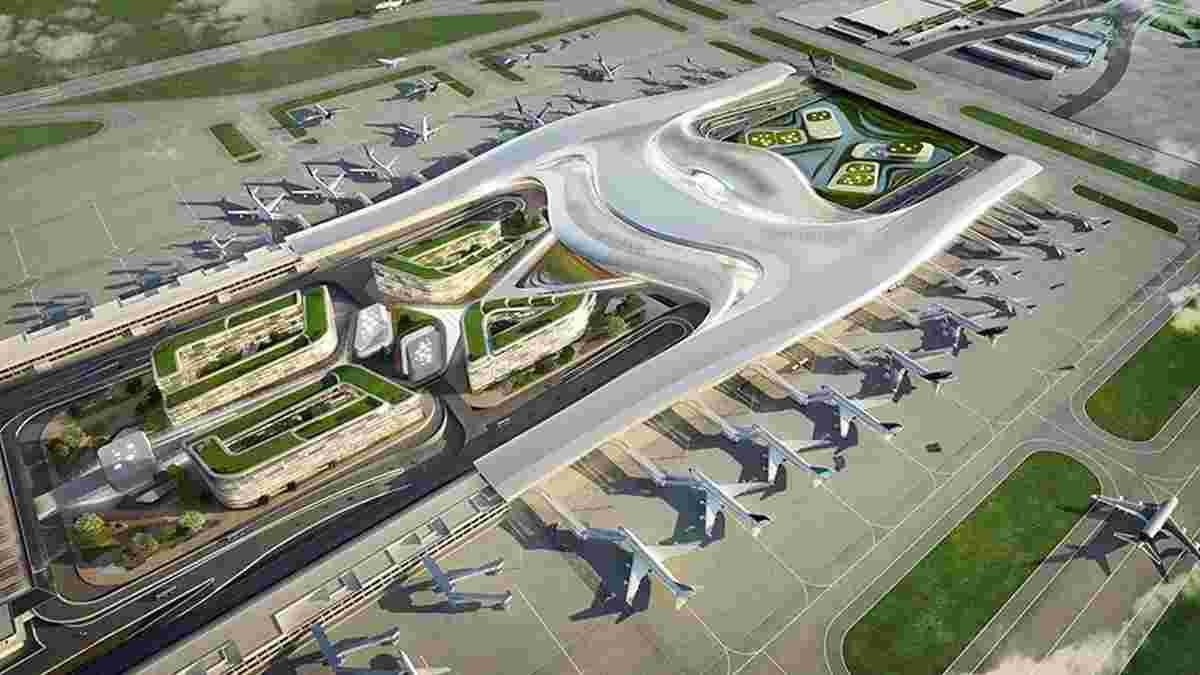
Navi Mumbai is set to undergo a major transformation in urban mobility as its town planning authority prepares a Comprehensive Mobility Plan (CMP) to guide transport development up to 2054 and beyond. The City and Industrial Development Corporation (CIDCO) has announced the move to formulate an integrated strategy covering the Navi Mumbai region and the surrounding area influenced by the upcoming international airport.
CIDCO has positioned this plan as a cornerstone for sustainable and inclusive urban development across one of India’s fastest growing corridors. With massive infrastructure on the horizon—including the Navi Mumbai International Airport (NMIA), a Corporate Park, Aerocity, Edu City, and Medicity—authorities expect a surge in traffic volumes. The CMP aims to build a versatile transport system that ensures seamless and eco-conscious mobility. Officials stated that the plan will adopt a holistic approach that integrates all modes of transport—public, private, and non-motorised. The goal is to design a transport network that is safe, efficient, and future-ready. The plan will factor in walking and cycling infrastructure alongside traditional modes, aiming to reduce emissions and enhance last-mile connectivity.
CIDCO underscored the strategic need for this roadmap as Navi Mumbai prepares to operationalise key mobility assets such as the Mumbai Trans Harbour Link (Atal Setu), Metro Line 8 connecting both Mumbai and Navi Mumbai airports, the Belapur to NMIA Metro Line 1 extension, and the Panvel-Karjat suburban railway. Corporate and industrial zones in Kharghar, Ulwe, and Taloja are also expected to intensify mobility needs. As of now, Navi Mumbai boasts nearly 980 kilometres of roadways, a robust rail network, metro lines, and key arterials like Palm Beach Road and Sion-Panvel Highway. However, rapid expansion has highlighted critical gaps in connectivity and infrastructure. The proposed CMP will help prioritise investments and guide phased development across the region.
CIDCO intends to finalise the CMP in collaboration with regional transport experts, urban planners, and stakeholders. Officials believe this participatory planning approach will ensure the plan reflects ground realities and prepares the city for next-generation urbanisation. As Navi Mumbai looks ahead, the CMP is poised to become a vital document in realising a zero-carbon, multimodal, and equitable transport ecosystem. With high-growth zones and the international airport set to redefine regional development, the plan will offer a much-needed framework to balance expansion with environmental and social priorities.
Also Read : Bengaluru Auto Drivers Say No To August 1 Fare Hike
