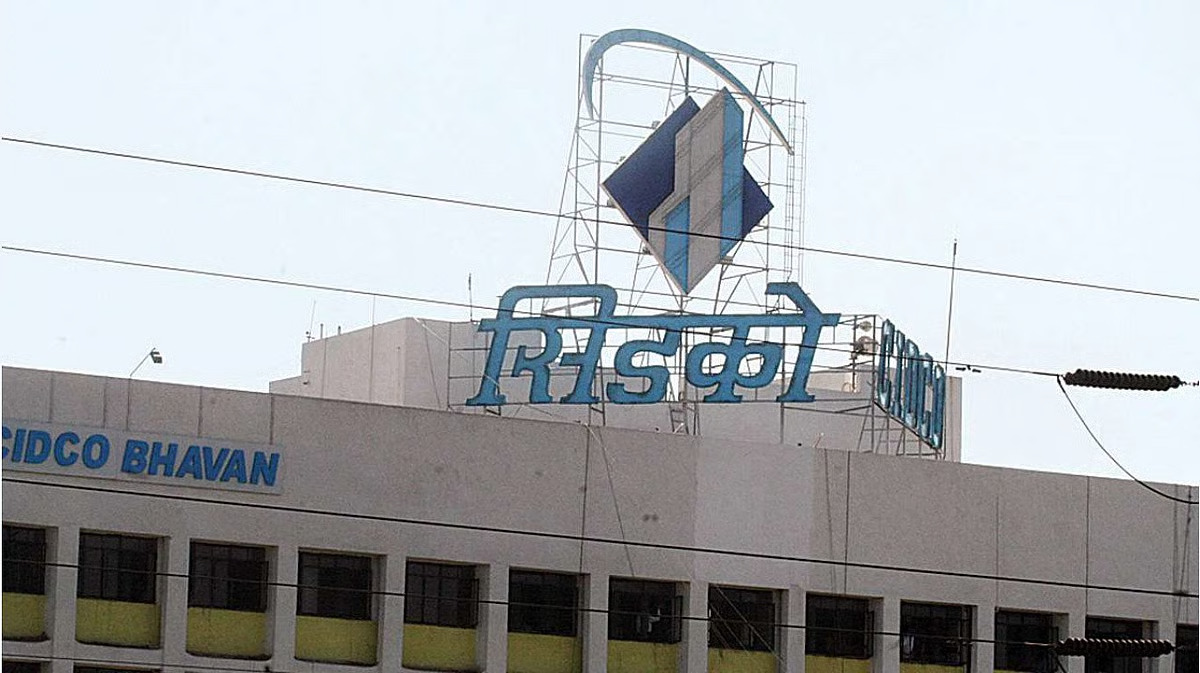
Navi Mumbai is witnessing a marked acceleration in residential redevelopment, with 28 projects currently underway across the city’s older sectors, highlighting the shift toward modernising housing stock in planned satellite cities. Vashi and Nerul have emerged as the primary nodes driving this growth, reflecting the clustering of ageing buildings and the evolving needs of residents.
Urban planning officials point out that numerous structures developed by the City and Industrial Development Corporation (CIDCO) between 1975 and 1995 have now surpassed three decades, rendering them eligible for redevelopment under existing municipal regulations. These buildings, originally designed for lower population densities and basic amenities, increasingly face challenges such as structural wear, insufficient parking, and outdated utility systems, necessitating targeted redevelopment interventions. Among the 28 ongoing proposals, Vashi and Nerul account for 20 projects, with Sectors 9, 10, 6, and 9A in Vashi and Sectors 18 and 19 in Nerul seeing the highest concentration. Urban experts describe this pattern as “cluster-driven redevelopment,” noting that buildings constructed in the same development phase are approaching the end of their functional lifespan simultaneously. Moderate activity is recorded in Koparkhairane and Belapur, while nodes like Airoli and Sanpada, with newer building stock, exhibit fewer initiatives.
A key factor catalysing the current pace is the Unified Development Control and Promotion Regulations (UDCPR) 2020, which offers cooperative housing societies additional Floor Space Index (FSI) and carpet area incentives. These regulatory adjustments improve the financial viability of redevelopment, enabling societies and developers to upgrade structures without compromising economic returns. Planning consultants note that enhanced FSI provisions, particularly for larger plots, have made redevelopment projects more attractive, while also facilitating expanded living space for residents. Data from municipal sources indicate that Navi Mumbai contains approximately 92,856 CIDCO-built tenements, with nearly 1,995 buildings exceeding 30 years. Many of these lack modern fire safety systems, functional lifts, and upgraded electrical infrastructure. Residents emphasise the importance of safer structures, enhanced amenities, and more usable space, seeing redevelopment as an opportunity to elevate living standards in alignment with contemporary urban expectations.
Civic authorities maintain that Navi Mumbai’s infrastructure, including a comprehensive road network, multiple sewage treatment plants, and water supply sourced from Morbe Dam, is capable of supporting increased density. However, experts caution that systematic infrastructure augmentation will be crucial to sustain long-term growth and prevent future urban stress. Urban planners characterise the current phase as a “second stage” in Navi Mumbai’s evolution, where careful, cluster-based redevelopment can modernise housing while preserving the city’s planned character. With regulatory incentives and rising property values, redevelopment is expected to intensify further, signalling a transformative period for the city’s residential landscape.
Navi Mumbai CIDCO Buildings Undergo Systematic Redevelopment