


The Central Board of Indirect Taxes and Customs (CBIC) has officially designated Navi Mumbai and Noida airports as notified customs ports. This decision, announced on March 24, 2025, through Notification No. 15/2025-Customs (N.T.), seeks to improve the efficiency of India’s trade infrastructure and streamline customs clearance for imports and exports. The move is expected to bolster the nation’s export capabilities and play a crucial role in achieving India’s ambitious goal of a $2 trillion export target by 2030.
The new designations are part of an ongoing effort to decentralise cargo handling and customs procedures, reducing pressure on the traditional hubs of Delhi, Mumbai, and other major airports. This shift will not only ease congestion at these crowded airports but will also create more efficient regional connectivity, especially for western and northern India. Experts have hailed the move as an essential step towards building a more robust and streamlined trade network, capable of meeting the growing demands of India’s fast-evolving economy. Navi Mumbai, set to begin operations in July 2025 under the management of Adani Airport Holdings Ltd., is poised to significantly reduce the strain on Mumbai’s overloaded air and sea ports. With an initial passenger handling capacity of 12 million annually, the airport is also designed to cater to substantial cargo volumes, making it a critical player in easing logistics in the western part of the country. This move will offer smoother transit of goods and reduce delays in customs processing, thereby improving overall trade efficiency.
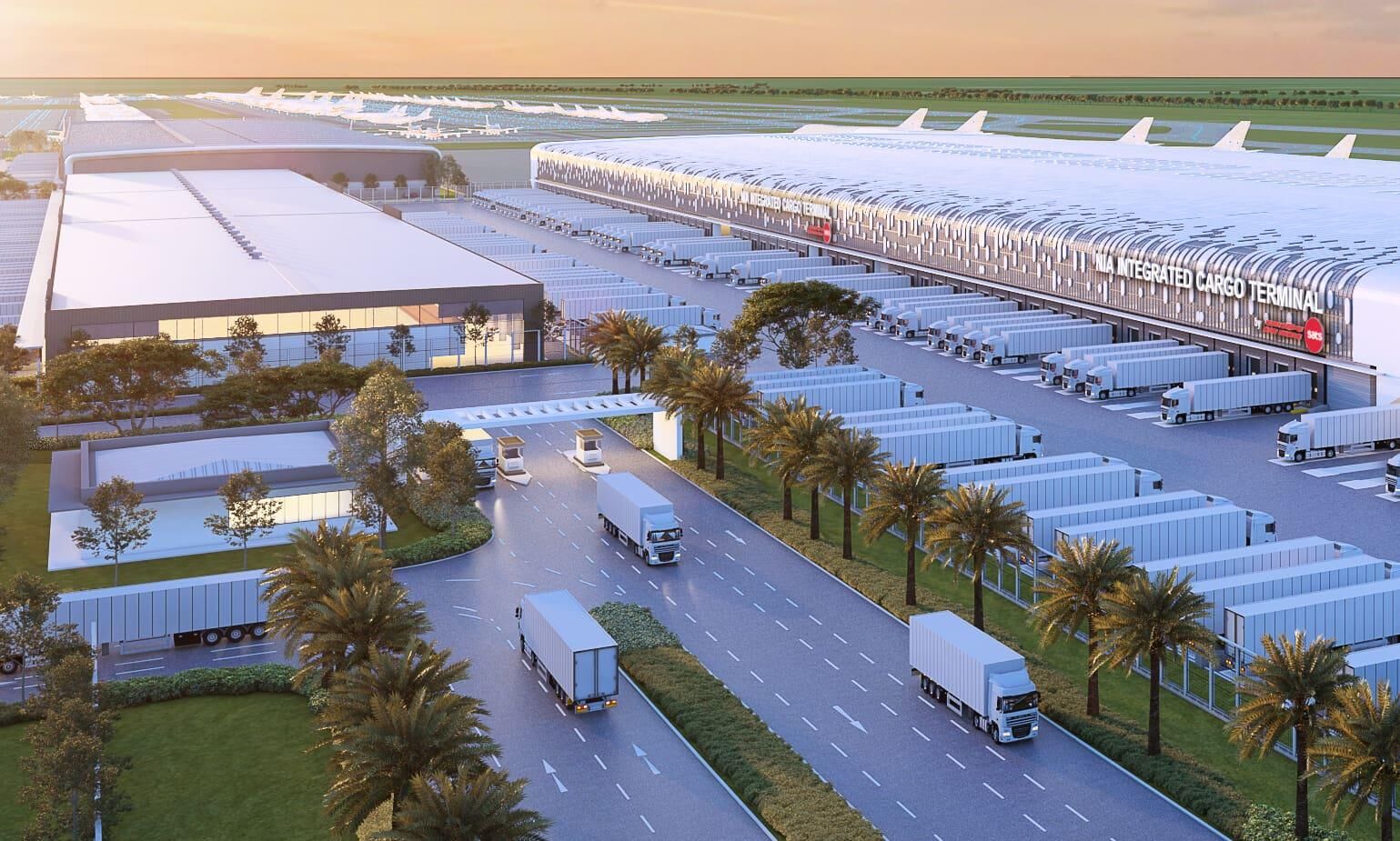
Meanwhile, Noida International Airport, located in Uttar Pradesh and managed by Yamuna International Airport Private Limited (a Zurich Airport subsidiary), is set to open its doors in April 2025. With its first phase featuring a cargo hub and a capacity for 12 million passengers, Noida Airport is poised to become an integral part of the National Capital Region’s transportation and logistics framework. The airport’s long-term plans include an expansion to accommodate up to 70 million passengers annually, making it one of the most ambitious airport projects in the region. Both airports will play a pivotal role in reshaping the logistics landscape of India. By establishing them as customs ports, the government has laid the foundation for faster customs clearance and reduced transit times for cargo. For industries and exporters, this translates into greater efficiency and a more competitive edge in global markets.
Industry experts believe that this move aligns perfectly with India’s long-term trade and economic aspirations. As India looks to significantly increase its exports, reducing logistical delays and improving infrastructure are key priorities. The development of these airports as customs ports is expected to make a substantial contribution towards these goals. By decongesting major international trade routes and expanding capacity in emerging areas, the new ports will reduce the bottlenecks that often hinder the smooth flow of goods. Additionally, the creation of these new customs ports will also provide much-needed relief to existing infrastructure, notably in Mumbai and Delhi. These cities have long been burdened by overcrowded air and sea ports, which have often resulted in delays in cargo handling and clearance. By redirecting a significant portion of this traffic to Navi Mumbai and Noida, India can ensure smoother, faster, and more cost-effective operations across its entire logistics network.
The strategic positioning of these airports in key regions of India also underscores the growing importance of regional connectivity in the country’s trade and logistics network. The development of these airports into major logistics hubs is expected to attract more international cargo and commercial traffic, helping to decentralise trade routes and improve access to underserved regions. This, in turn, will contribute to a more equitable distribution of economic benefits across the country. As these new customs ports take shape, both Navi Mumbai and Noida airports are expected to become major players in India’s export and import operations. Their role in enhancing the nation’s logistics capacity is crucial to India’s broader trade objectives. The ongoing development of these airports, coupled with the integration of advanced customs processing systems, will further elevate India’s standing as a global logistics and trade hub.
The designation of Navi Mumbai and Noida airports as customs ports marks a significant milestone in India’s trade infrastructure development. This decision promises to provide a major boost to the efficiency and competitiveness of India’s logistics sector, while also supporting the nation’s long-term economic growth and export goals. With the successful implementation of these changes, India is set to strengthen its position in global trade, ensuring smoother, faster, and more sustainable logistics for years to come.
