Navi Mumbai Airport To Transform Maharashtra Economy With Mega Infrastructure
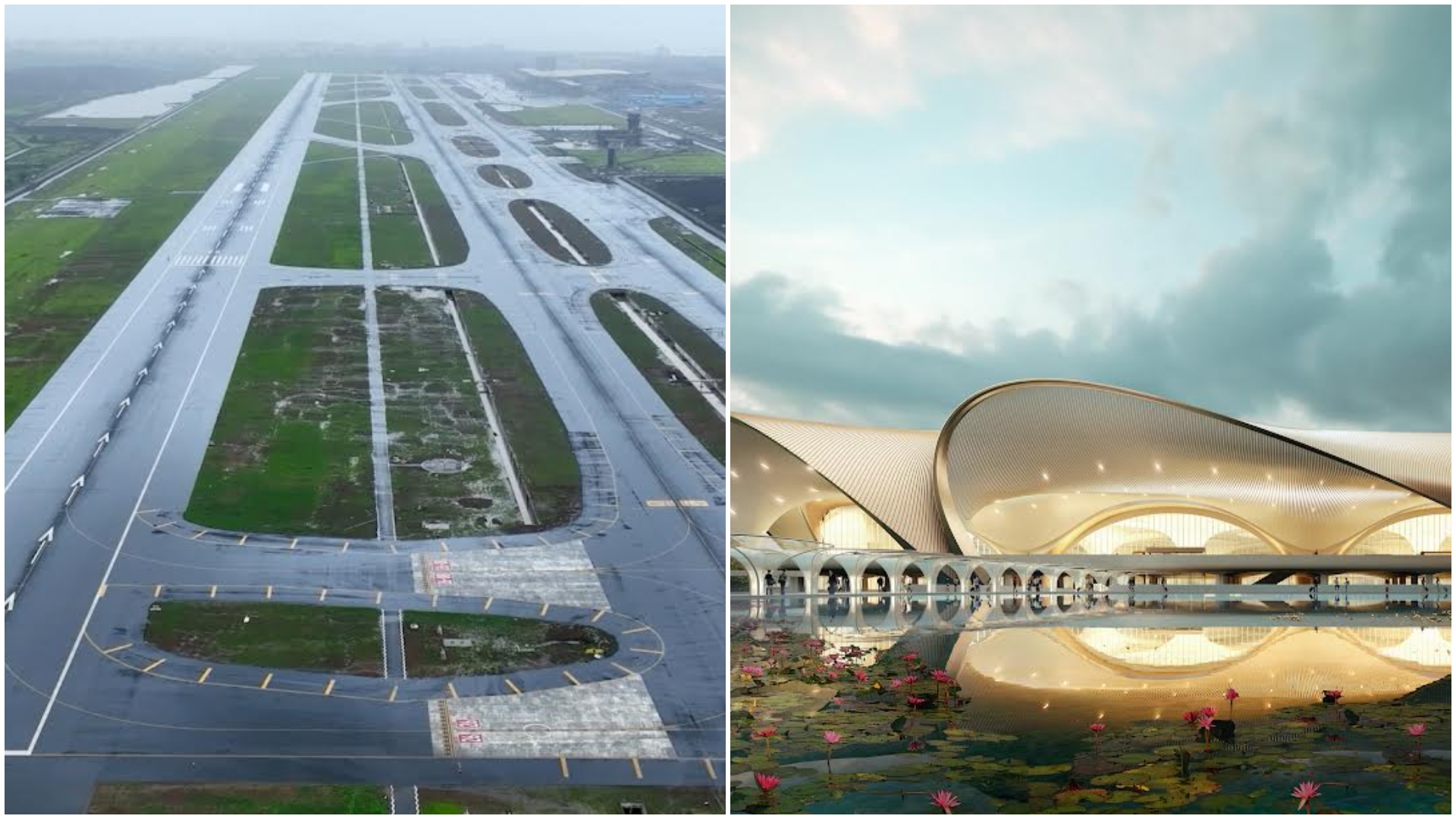
Maharashtra is preparing for a defining moment as the Navi Mumbai International Airport (NMIA) readies for its inauguration at the end of September. More than a new aviation hub, the airport is set to become a catalyst for economic expansion, infrastructure upgrades, and sustainable urban growth across the state.
For decades, Mumbai’s Chhatrapati Shivaji Maharaj International Airport has shouldered passenger traffic close to saturation. NMIA, with its advanced design and strategic location, will not only ease that burden but also open a new economic frontier for Navi Mumbai. The airport’s ability to handle an estimated 90 million passengers annually positions it as a game-changer in the region’s connectivity and commerce.
Officials and industry experts underline the multiplier impact of the project. Global benchmarks suggest every 1 per cent rise in air connectivity can lift GDP by 0.5 per cent. With NMIA integrating Navi Mumbai into international flight paths, Maharashtra’s economy is expected to benefit through tourism, trade, employment generation and foreign investments. Thousands of jobs across aviation services, logistics, retail, and hospitality are projected to be created, adding resilience to the state’s growth trajectory.
The area surrounding the airport, designated as the Navi Mumbai Airport Influence Notified Area (NAINA), has already drawn investor attention. Planned as a smart city with IT parks, real estate clusters, warehousing and commercial hubs, NAINA is likely to attract billions in private and foreign direct investments. Urban planners argue that Navi Mumbai could emerge as a balanced twin city to Mumbai, reducing the strain on the financial capital while offering modern housing, business infrastructure and improved quality of life.
Connectivity projects are amplifying NMIA’s importance as an infrastructure anchor. The Mumbai Trans Harbour Link, set to be India’s longest sea bridge, will connect South Mumbai to the airport in under 30 minutes. Complementary investments in metro systems, suburban rail, and freight corridors will integrate NMIA into a multimodal transport network, reducing logistics costs and improving efficiency across industries such as pharmaceuticals, textiles, agriculture, and engineering.The airport’s ripple effects are already visible in the property market. Prices in areas such as Panvel and Ulwe have risen by up to 30 per cent in recent years, fuelled by anticipation of NMIA’s opening. Experts compare this transformation with Gurugram’s rise after the expansion of Delhi’s IGI Airport or Bengaluru’s northward growth following the launch of Kempegowda International Airport.
Tourism is expected to receive a strong boost, with improved international access to Maharashtra’s destinations ranging from the Konkan coast to Ajanta-Ellora and the Western Ghats. Simultaneously, cargo facilities will strengthen the state’s position as an export hub, linking industrial clusters to global markets.Equally critical is NMIA’s emphasis on sustainability. Designed with green building norms, solar integration, rainwater harvesting and noise-reduction technologies, the airport reflects a growing recognition that development must balance ecological responsibility with economic ambition.The launch of NMIA signals more than just the opening of new runways. It marks Maharashtra’s intent to position Navi Mumbai as a global hub of opportunity, create a new axis of balanced urbanisation, and invest in infrastructure that aligns with the vision of a greener and more equitable future.