


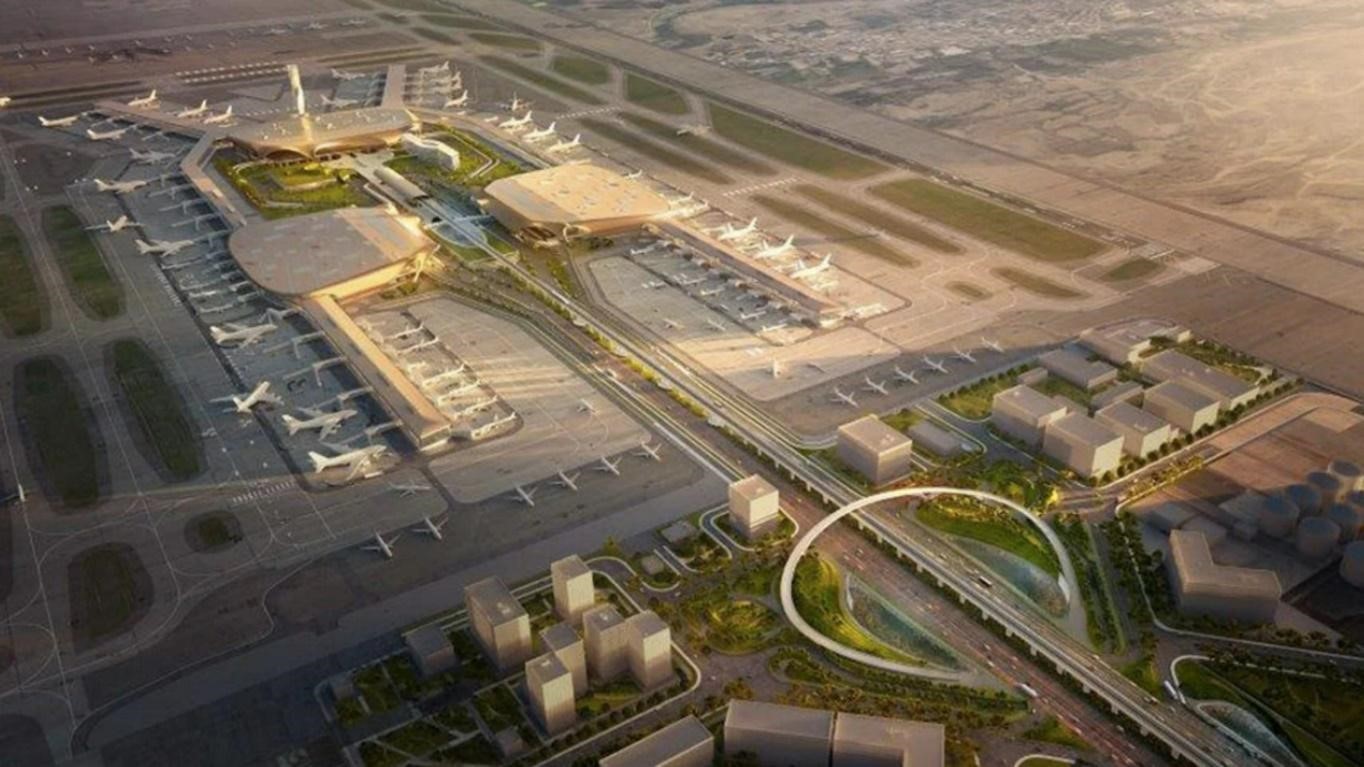
Navi Mumbai International Airport (NMIA), scheduled for inauguration by the end of September, is poised to redefine air connectivity for the Mumbai Metropolitan Region (MMR). The greenfield airport, officially named D B Patil International Airport, is expected to commence operations within 45 days post-inauguration, offering a critical second hub to ease congestion at Chhatrapati Shivaji Maharaj International Airport (CSMIA) and boost regional economic activity.
Developed through a public-private partnership between Navi Mumbai International Airport Private Limited (NMIAL) and CIDCO, the project represents a combined effort to create an efficient, eco-conscious gateway for MMR’s growing air traffic. NMIAL, a subsidiary of Adani Airport Holdings Ltd, holds a 74% stake, with CIDCO retaining 26%. Officials emphasise the project’s long-term vision of sustainable infrastructure, green technology integration, and smart urban mobility. Phase 1, supported by an investment of nearly Rs 20,000 crore, will feature one terminal for domestic and international passengers, a single runway, and 42 aircraft stands—29 contact and 13 remote. The facility is designed to handle 20 million passengers annually, with the goal of processing 95% of travellers from arrival to curbside within 45 minutes. Subsequent phases will expand capacity to 50 million passengers per annum by 2029, incorporating a second runway and terminal, ultimately targeting 90 million passengers across four terminals.
Sustainability remains central to NMIA’s operations. The airport plans to source 47 MW of solar power, integrate low-flow plumbing fixtures, implement rainwater harvesting and wastewater recycling systems, and operate electric vehicles for airside transit. Rockfill technology will underpin runway and apron construction, ensuring structural stability and environmental responsibility. Officials highlight that these measures significantly reduce the airport’s carbon footprint while enhancing operational resilience. Modern digital infrastructure further distinguishes NMIA. A 5G-enabled network, automated baggage handling with IATA 753-compliant tracking, and contactless travel under the Digi Yatra programme will streamline passenger flow. The proprietary NMIA app “aviio” will facilitate seamless communication among stakeholders, enhancing operational efficiency. Passenger amenities include interactive zones, business lounges, a transit hotel, and extensive retail and F&B options reflecting Mumbai’s cultural diversity.
Connectivity is a cornerstone of NMIA’s strategic vision. Positioned 37 kilometres from South Mumbai, the airport integrates with the Sion-Panvel Highway, Mumbai Trans Harbour Link, Ulwe Coastal Road, and multiple metro lines, creating India’s first fully multimodal airport. Water taxis are also planned, emulating international best practices. Cargo operations form a vital economic component. The airport’s first-phase cargo terminal will handle 0.5 million metric tonnes annually, scaling to 3.2 million tonnes, equipped with cashless systems, cold chain logistics for perishables, and adherence to IATA-CEIV, RA3, and ACC3 certifications. Its proximity to Jawaharlal Nehru Port Trust and MIDC industrial hubs positions NMIA as a premier logistics gateway, enhancing India’s trade infrastructure.
Domestic and international carriers, including IndiGo and Akasa Air, are already committed to operating from NMIA, with others in advanced discussions. Officials expect full Phase 1 capacity to be realised within six to nine months, marking the airport as a transformative addition to Mumbai’s aviation landscape.
Also Read : Ahmedabad Airport Cargo Terminal Handles Seventy Percent International Freight
