


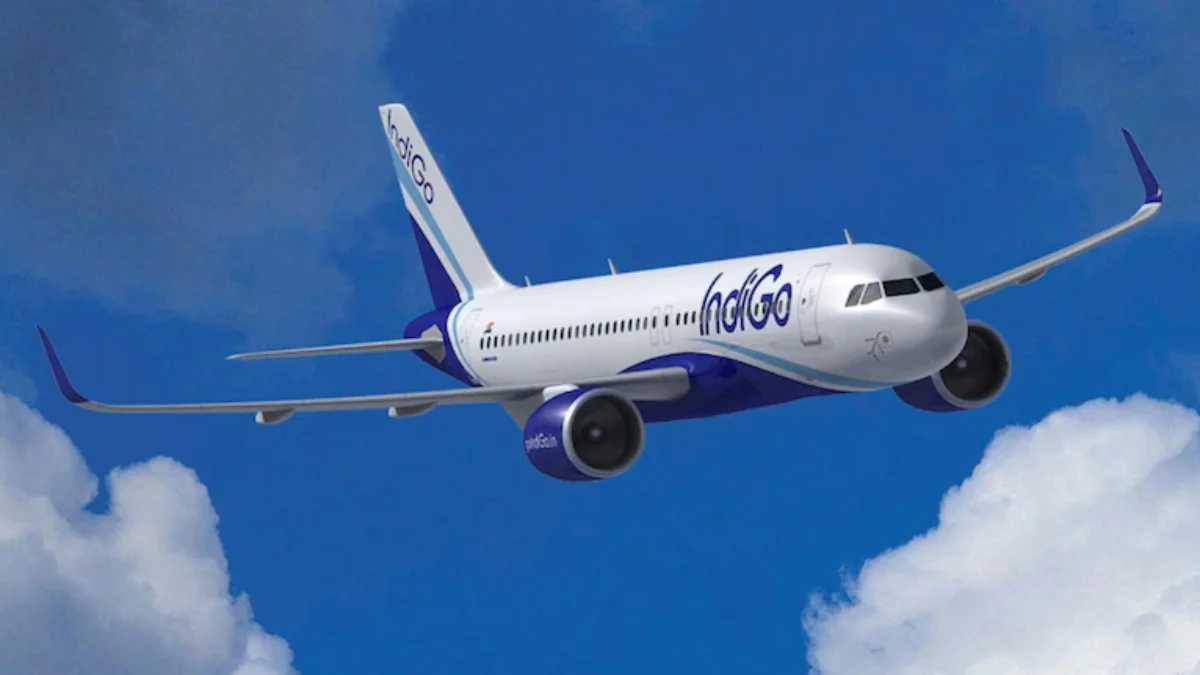
Navi Mumbai’s new international airport is set for a significant expansion in domestic connectivity, with IndiGo announcing fresh routes and additional frequencies ahead of the airport’s operational launch on 25 December. The airline will begin daily services to Coimbatore and Chennai, alongside new five-times-weekly flights to Vadodara and North Goa, reinforcing the airport’s position as a growing regional gateway.
IndiGo’s move marks one of the earliest network commitments by an airline at the Greenfield facility, which is expected to ease congestion at Mumbai’s primary airport while improving access for residents across the wider metropolitan region. A senior aviation official said the additions reflect strong demand projections from Navi Mumbai and the surrounding growth corridors, which have rapidly expanded due to new housing clusters and employment hubs.Daily flights to Coimbatore and Chennai will commence on 29 December, with schedules designed to offer convenient morning and evening connectivity. The Coimbatore service will depart Navi Mumbai at 9 a.m., returning early afternoon, while the Chennai route will operate with an early morning arrival into Navi Mumbai and an evening departure. Industry experts note that such scheduling supports both business travel and same-day return itineraries, increasing the airport’s appeal for metro-to-metro mobility.
The airline will introduce a five-times-weekly service to Vadodara from 30 December and enhance its connectivity to North Goa from 26 December. Both routes will operate on Tuesdays, Wednesdays, Fridays, Saturdays, and Sundays. Aviation analysts say that early additions to second-tier destinations highlight the airport’s potential to decentralise travel from the main Mumbai hub and make regional flying more accessible.The upcoming commercial launch of Navi Mumbai International Airport (NMIA) represents one of India’s most significant public-private partnership infrastructure projects. Developed by Navi Mumbai International Airport Limited (NMIAL), a joint venture where the Adani Group holds a 74 per cent stake and CIDCO retains 26 per cent, the project is designed to accommodate long-term urban growth while adhering to sustainable development standards. Officials associated with the project emphasise that the airport’s masterplan includes energy-efficient systems, multimodal transport integration, and provisions for a reduced-carbon operational footprint.
IndiGo will be joined by Air India Express and Akasa Air during the airport’s initial phase, collectively providing direct links to major domestic destinations. Urban planners believe that improved air connectivity will support more equitable urban expansion by reducing dependence on core city infrastructure and stimulating balanced regional development across Navi Mumbai, Raigad, and the MMR periphery.As operations begin, the airport is expected to enhance mobility options for both residents and businesses, while also offering opportunities for greener, more accessible travel networks in the long term.
