


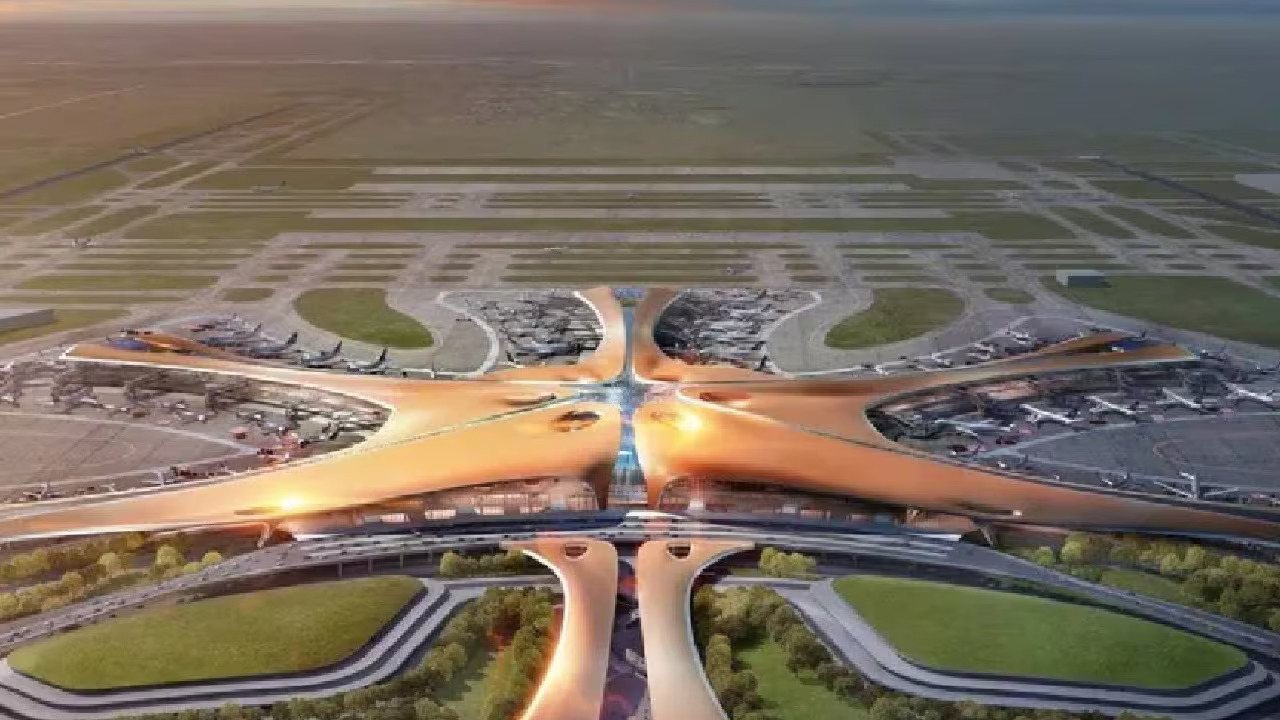
Navi Mumbai International Airport (NMIA) is edging closer to its proposed inauguration on 30 September, but the ambitious project remains burdened by incomplete supporting infrastructure that risks undermining its promise of world-class air travel. While the terminal structure is nearing completion, roads, transport facilities, hotels, and even dedicated police infrastructure remain unfinished, casting doubts over whether the airport can truly deliver a seamless passenger experience in its initial months of operation.
Mumbai is set to join the league of global cities with dual airports once NMIA begins operations. The first phase, spread across 58 acres, is designed to handle 20 million passengers and 0.5 million tonnes of cargo annually. Full capacity is expected to reach 90 million passengers and 3.2 million tonnes of cargo. However, operations will start modestly, with only 8 to 10 flight movements per hour, gradually ramping up to 30 movements during peak hours by mid-2026, according to officials. Yet, the most pressing challenge is connectivity. Despite extensive plans, many of the critical access corridors remain under construction. The six-lane Ulwe Coastal Road, connecting directly to the Mumbai Trans Harbour Link, is unlikely to be ready before 2026. Similarly, the Thane–Airport elevated corridor is still in the planning phase, while upgrades to existing highways such as the Sion–Panvel route are progressing slowly. Officials note that although multiple interchanges and expressways are in the pipeline, passengers will face road bottlenecks during the early years.
Public transport integration is another weak link. The nearest operational suburban rail stations require additional transit services, while the proposed metro connections from Belapur and beyond remain years away. Plans for water taxis are still in infancy, leaving buses as the only dependable option. Officials from Navi Mumbai Municipal Transport have confirmed that talks are underway to deploy a dedicated fleet for last-mile connectivity, but these arrangements are yet to be finalised. On emergency preparedness, officials highlight that medical infrastructure within 10–20 minutes’ drive, including multispecialty and tertiary hospitals in Belapur, Vashi, and Nerul, will support the airport in case of crises. Security deployment is also planned, with 285 personnel earmarked for immigration checks. However, the dedicated airport police station has yet to secure final approval, leaving interim responsibility with the Ulwe unit.
Equally concerning is the lack of nearby hospitality infrastructure. While global brands are planning properties in Navi Mumbai, most quality hotels are concentrated in Belapur and Kharghar, some distance from the airport. Parking facilities also remain uncertain, with construction timelines unclear. For a project envisioned as a catalyst for regional growth, the risk lies in opening before essential ecosystems are in place. Experts suggest that while NMIA will eventually redefine air travel for the Mumbai Metropolitan Region, its immediate success depends on how quickly supporting infrastructure can catch up with the terminal’s readiness.
Also Read : Thane-Navi Mumbai Airport Elevated Road Toll Higher Than Atal Setu For Commuters
