


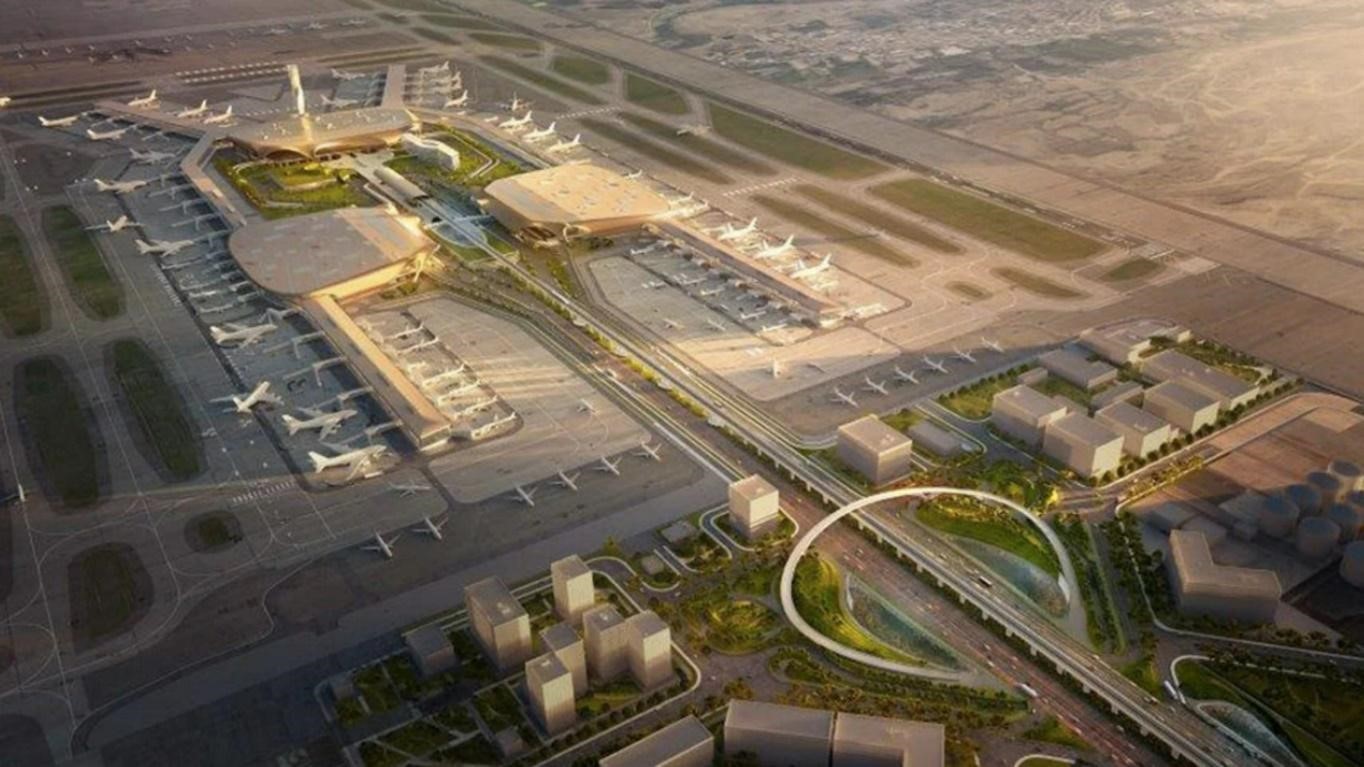
India’s ambitious infrastructure landscape is poised for a significant upgrade as the Navi Mumbai International Airport (NMIA) approaches its commercial operations launch by September 30. With 94 per cent of the monumental Rs 16,700-crore project now complete, and a workforce exceeding 13,000 individuals on site, this next-generation aviation hub is set to redefine air travel efficiency and connectivity for the Mumbai Metropolitan Region. The airport’s focus on advanced technology and green energy integration signals a commitment to sustainable urban development.
The sheer scale of the NMIA project underscores its strategic importance for the nation’s economic growth and urban development. Beyond its impressive financial outlay, the airport is being engineered to incorporate cutting-edge technology and world-class infrastructure. A key innovation highlighted is its baggage-handling system, designed for unparalleled speed and precision with 360-degree barcode reading capabilities. This pursuit of the world’s fastest baggage claim system reflects a drive for operational excellence that will significantly enhance passenger experience and streamline airport logistics.
The development extends beyond the immediate airport premises, with plans to connect the facility from four distinct directions, ensuring seamless accessibility for commuters from across the region. This multi-modal integration is crucial for fostering equitable access to this critical infrastructure, reducing travel times, and mitigating congestion in the broader urban fabric. Furthermore, the innovative concept of off-site baggage checking in various cities aims to revolutionise the pre-flight experience, offering unparalleled convenience and reducing stress for travellers, thereby promoting a more gender-neutral and inclusive travel environment.
As the project enters its final stages, with major construction elements like the runway and terminal largely complete, the focus shifts to intricate interior finishes and façade work. The second phase of the airport’s development is slated to introduce a metro-style underground train, further enhancing inter-terminal passenger movement. This forward-thinking approach to internal transport solutions aligns with the vision of creating a zero net carbon, eco-friendly urban centre by promoting efficient, mass transit options within the airport ecosystem.
The NMIA is not merely an airport; it represents a significant stride towards building a sustainable and resilient urban future. Its emphasis on green energy solutions and advanced technological integration positions it as a model for future infrastructure projects, demonstrating how large-scale developments can align with environmental stewardship. The successful completion and operation of this facility will not only alleviate pressure on existing aviation infrastructure but also serve as a catalyst for socio-economic growth, generating employment and fostering regional prosperity in an equitable manner.
Also Read :Delhi Flights Delayed As Heavy Rain Hits Airport Operations And Road Access
