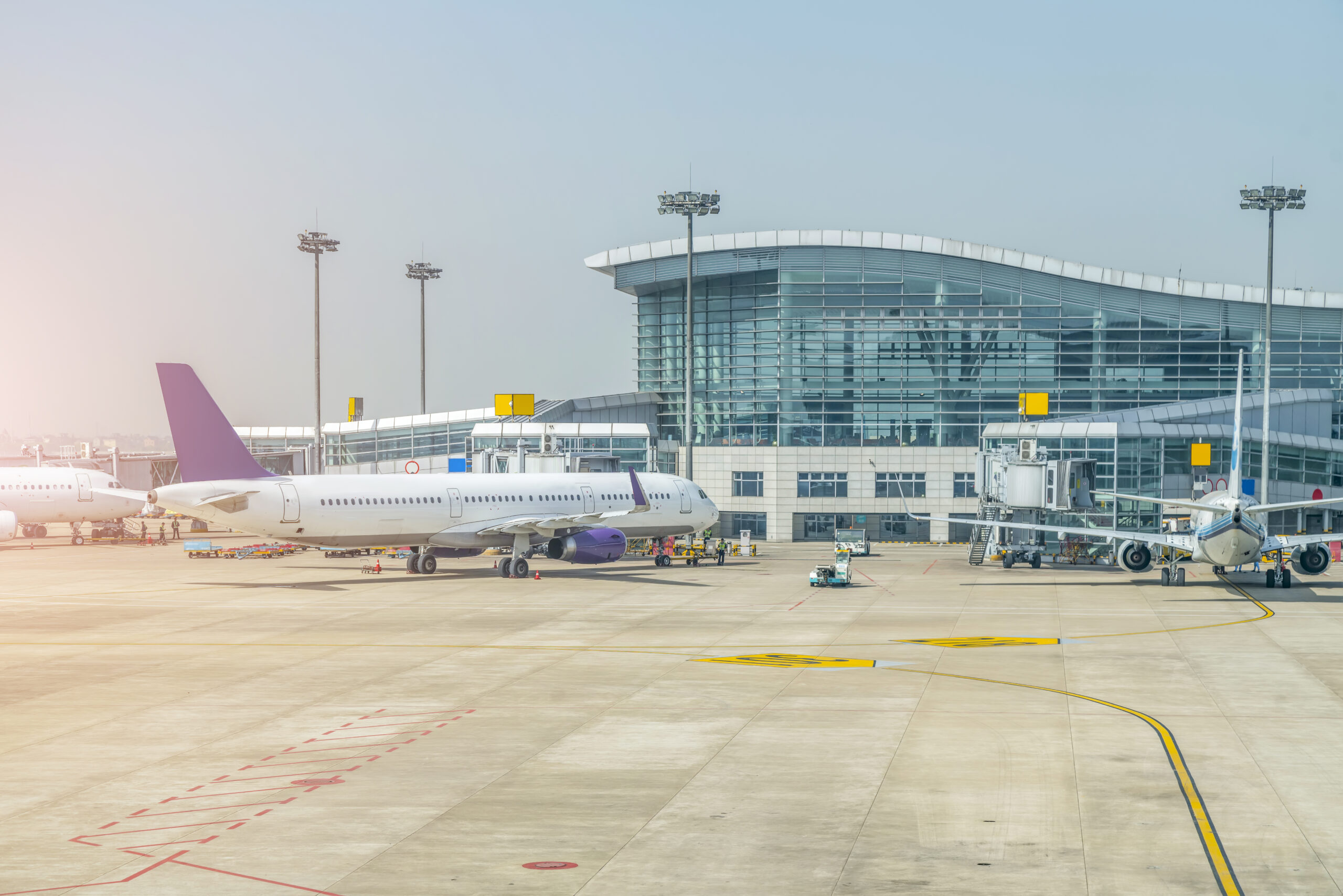
Navi Mumbai’s long-awaited international airport is set to reshape India’s aviation map, anchoring a massive Rs 1 lakh crore expansion plan that will also include upgrades to Mumbai’s busy hub and several regional terminals. Over the next five years, this infusion into infrastructure and real estate is expected to redefine passenger experience and fuel sustainable growth in one of the fastest-growing aviation markets.
According to senior officials, the upcoming Navi Mumbai International Airport (NMIA) will begin operations later this year, opening with a capacity to handle nearly two crore passengers annually. Built at an estimated cost of Rs 19,000 crore, the project has already been designed as a phased expansion with its second terminal planned to cater to up to five crore passengers annually, depending on future demand. The eventual full capacity is projected to reach nine crore passengers, making it one of the largest aviation hubs in the region.
Mumbai’s existing Chhatrapati Shivaji Maharaj International Airport (CSMIA) will also see a transformation, with a completely new terminal scheduled by 2032 at a cost of Rs 5,000 crore. Officials explained that these projects are being backed by significant equity commitments and refinancing support from lenders, underscoring confidence in India’s aviation prospects.
Beyond the Mumbai cluster, terminal expansions are on the cards for airports in Ahmedabad, Jaipur, Thiruvananthapuram, and Lucknow, while Guwahati’s new terminal is set for commissioning later this year. Together, these developments mark one of the largest-ever coordinated infrastructure investments in India’s airport sector. What makes this expansion particularly significant is its role in creating sustainable and eco-conscious city models. Experts highlight that modern airport infrastructure is no longer just about runways and terminals, but about integrating green building norms, renewable energy sources, and transit-oriented development around aviation hubs. Navi Mumbai, for instance, is being envisioned as an aviation-led urban centre, with the potential to become a catalyst for clean mobility and real estate growth in the region.
Industry specialists also point out that the broader aviation ecosystem in India must work collectively to capture the traffic currently routed through international hubs in the Gulf and Southeast Asia. Strengthening domestic airport capacity, in their view, is a critical step towards positioning Indian cities as global connectors while reducing dependency on foreign hubs. While the airport operator has ruled out immediate overseas ventures, the strategy of focusing on India reflects a confidence in the country’s long-term economic and demographic trends. With 26 airports identified under public-private partnership models, the sector is poised for robust growth. For India’s urban centres, these airports represent not just gateways for passengers, but engines of sustainable city development in the decades to come.