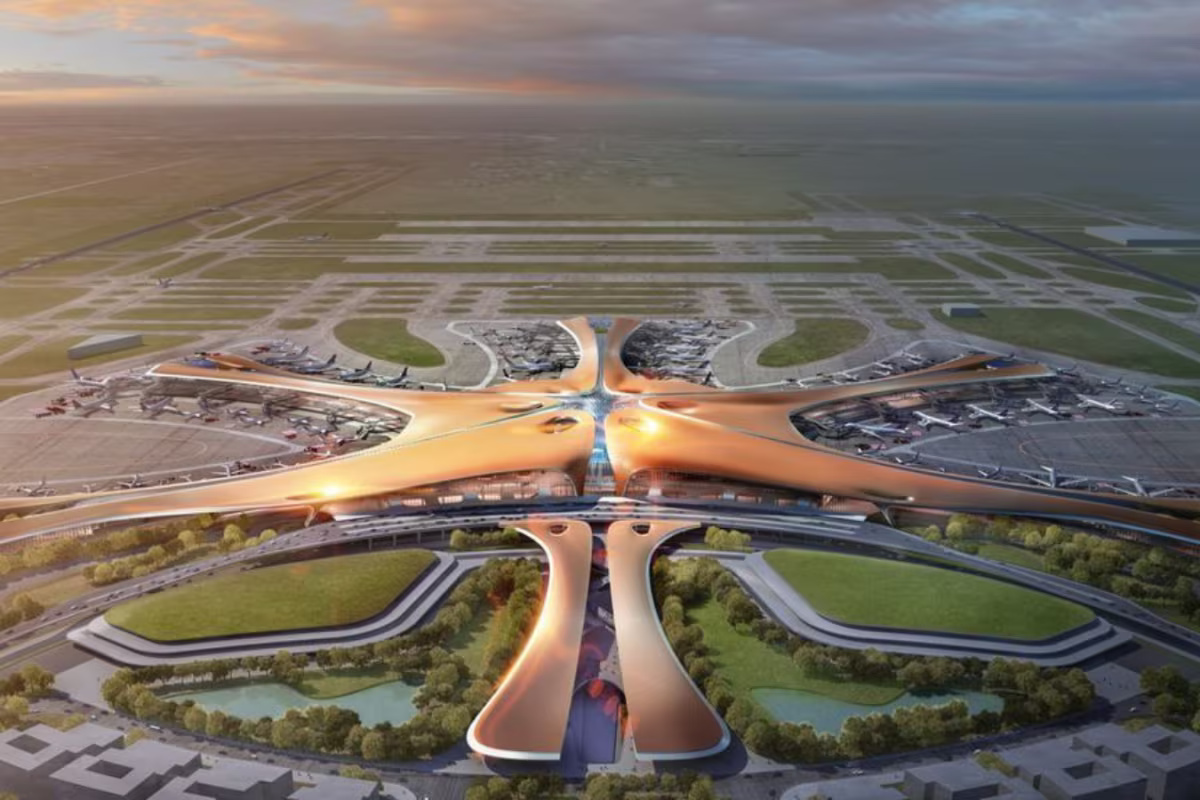
The upcoming launch of the Navi Mumbai International Airport (NMIA) on 25 December is expected to reshape development patterns across the Mumbai Metropolitan Region (MMR), with emerging nodes such as Khopoli poised to gain significantly from the region-wide economic momentum. While Panvel and adjoining areas are set to benefit immediately due to their proximity to the aerotropolis, industry observers note that Khopoli’s strategic location and industrial base position it for substantial second-tier growth.
The first phase of NMIA—anticipated to handle up to 60 million passengers annually—marks a major step in easing aviation pressure on Mumbai and building one of Asia’s largest regional connectivity hubs. According to officials, the airport’s commissioning will generate employment across aviation, logistics, hospitality, warehousing, and ancillary sectors, creating ripple effects far beyond the primary airport zone. Improved accessibility is expected to shorten travel times across the wider MMR, encouraging more balanced urban expansion. Recent market assessments reinforce this trend. A major property consultancy reported record high land transactions in 2024, particularly in peripheral micro-markets such as Khalapur, Palghar, and Khopoli. These pockets saw per-acre land prices rise sharply over the past two years, reflecting growing investor confidence in the region’s long-term potential. Experts attribute this shift to enhanced highway connectivity, lower entry prices, and a gradual push toward decentralised, sustainable development.
Developers are responding with large-scale residential, mixed-use, and plotted projects targeted at homebuyers seeking affordability without compromising quality of life. Several township proposals are underway, alongside premium plotted communities by multiple real estate groups. Industry leaders note that Khopoli’s appeal lies in its location along the Mumbai–Pune Expressway, its access to major manufacturing clusters, and a growing preference among buyers for low-density, nature-linked living environments. Urban planners explain that Khopoli’s industrial character—anchored by steel plants, chemical units, and logistics facilities—has long supported employment in the region. The expansion of the airport is expected to strengthen this ecosystem by attracting aviation-linked warehousing, clean logistics operations, and service-sector employment. This aligns with broader regional planning objectives focused on creating balanced, inclusive growth centres that reduce congestion in core urban areas.
Homebuyer profiles are also diversifying. Agents report rising interest from airport-linked professionals, manufacturing and logistics workers, hybrid employees seeking flexible living options, and middle-income families priced out of Panvel and Ulwe. The city’s natural surroundings, including proximity to the Sahyadris, waterfalls, and leisure attractions such as Imagicaa and Khandala, are further reinforcing demand for second homes and lifestyle-oriented housing. Industry experts suggest that as Khopoli continues to develop, its growth must be guided by sustainable planning principles. Ensuring climate-resilient infrastructure, accessible public transport, and ecologically sensitive development will be essential to maintaining affordability and environmental balance in the long term.
Navi Mumbai Airport Launch Projected To Push Khopoli Into High-Growth Spotlight