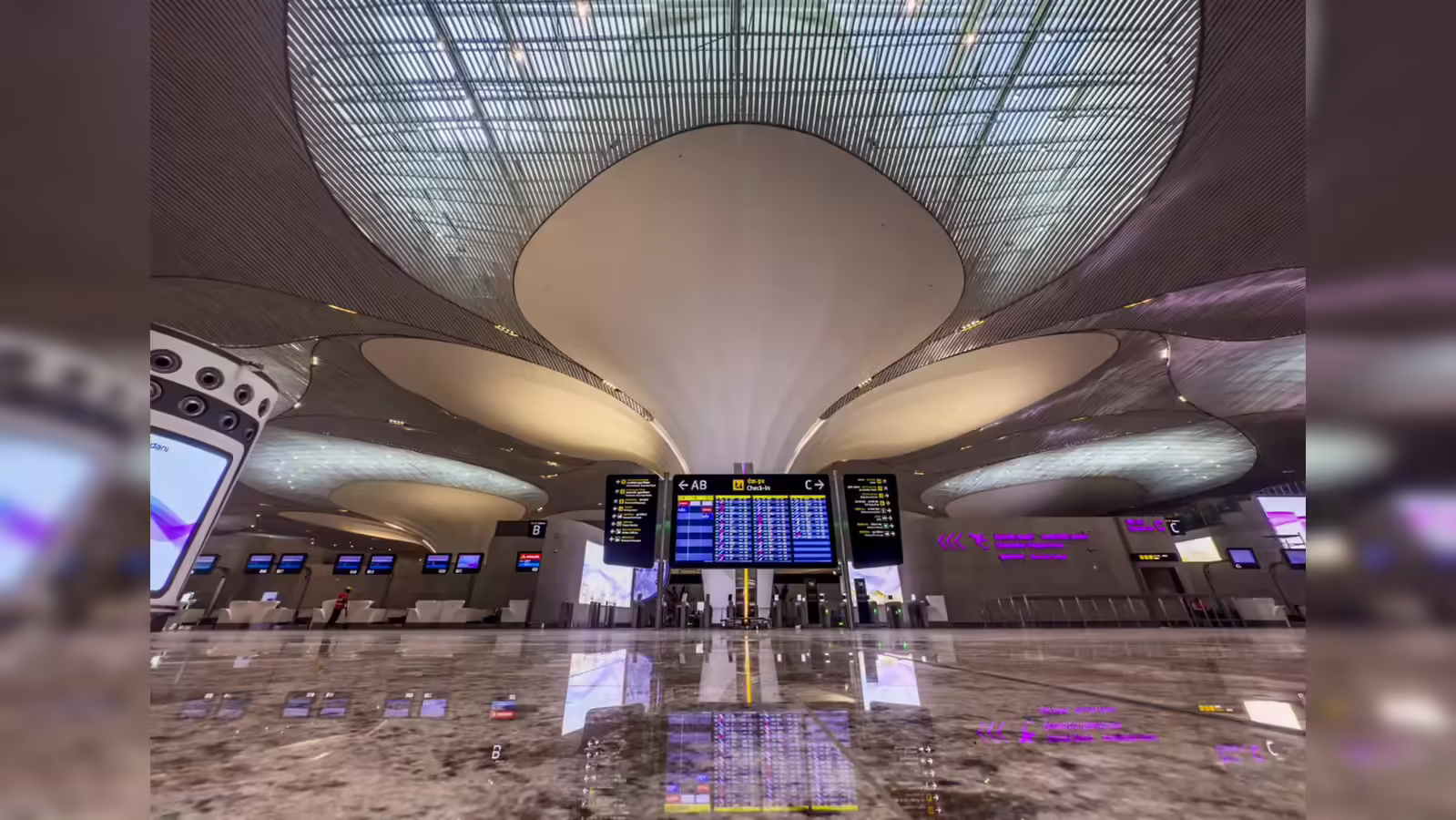
Navi Mumbai Airport Introduces Contactless DigiYatra Service
Navi Mumbai International Airport (NMIA) has rolled out the DigiYatra initiative, a biometric-based travel processing system designed to cut down passenger waiting times and modernise airport operations. The launch aligns the new airport with a broader national effort to bring digital public infrastructure into India’s aviation ecosystem, marking a significant milestone in the city’s emergence as a major air-travel node.
DigiYatra uses facial recognition technology to verify passenger identity and travel details at various checkpoints — including entry gates and security screening — enabling contactless and paperless movement through terminal spaces. By reducing repetitive ID and boarding pass checks, NMIA aims to boost throughput and passenger convenience as domestic traffic begins to scale up following the airport’s commercial launch nearly two months ago.Urban planners and airport infrastructure experts say the deployment reflects a wider shift towards digital automation in transportation hubs, which can streamline operations and improve predictability for travellers. Integrating DigiYatra also supports goals of reducing physical touchpoints and associated delays — particularly relevant as Indian cities contend with growing passenger volumes and the imperative to design climate-resilient, efficient mobility corridors.
Transport analysts note that DigiYatra’s effectiveness depends heavily on adoption rates and user familiarity with digital credentialing. For many passengers, pre-trip registration through the DigiYatra app — linking Aadhaar or DigiLocker credentials and travel itinerary — remains a prerequisite for end-to-end seamless processing. Once completed, facial verification at e-gates replaces manual identity checks, allowing users to proceed swiftly through checkpoints.The system’s expansion at NMIA comes as the Civil Aviation Ministry simultaneously extended DigiYatra to several other regional airports. Together, these rollouts aim to standardise passenger experiences across urban centres, making air travel more accessible and less time-intensive — especially for frequent flyers and business travellers whose schedules hinge on efficient connections.However, experts caution that digital systems must be implemented with robust data privacy safeguards and inclusive design considerations to ensure travellers without smartphones or digital IDs aren’t inadvertently disadvantaged. While DigiYatra provides clear operational efficiencies, inclusive urban mobility frameworks require parallel support for non-digital user flows to keep travel equitable for all socioeconomic groups.
Looking ahead, NMIA’s adoption of contactless passenger processing underscores a broader trend toward smart airport infrastructure — where technology enhances capacity without corresponding increases in spatial footprint. For Navi Mumbai, a city balancing rapid growth with quality-of-life and sustainability goals, initiatives like DigiYatra may become essential components of future-ready transportation planning.