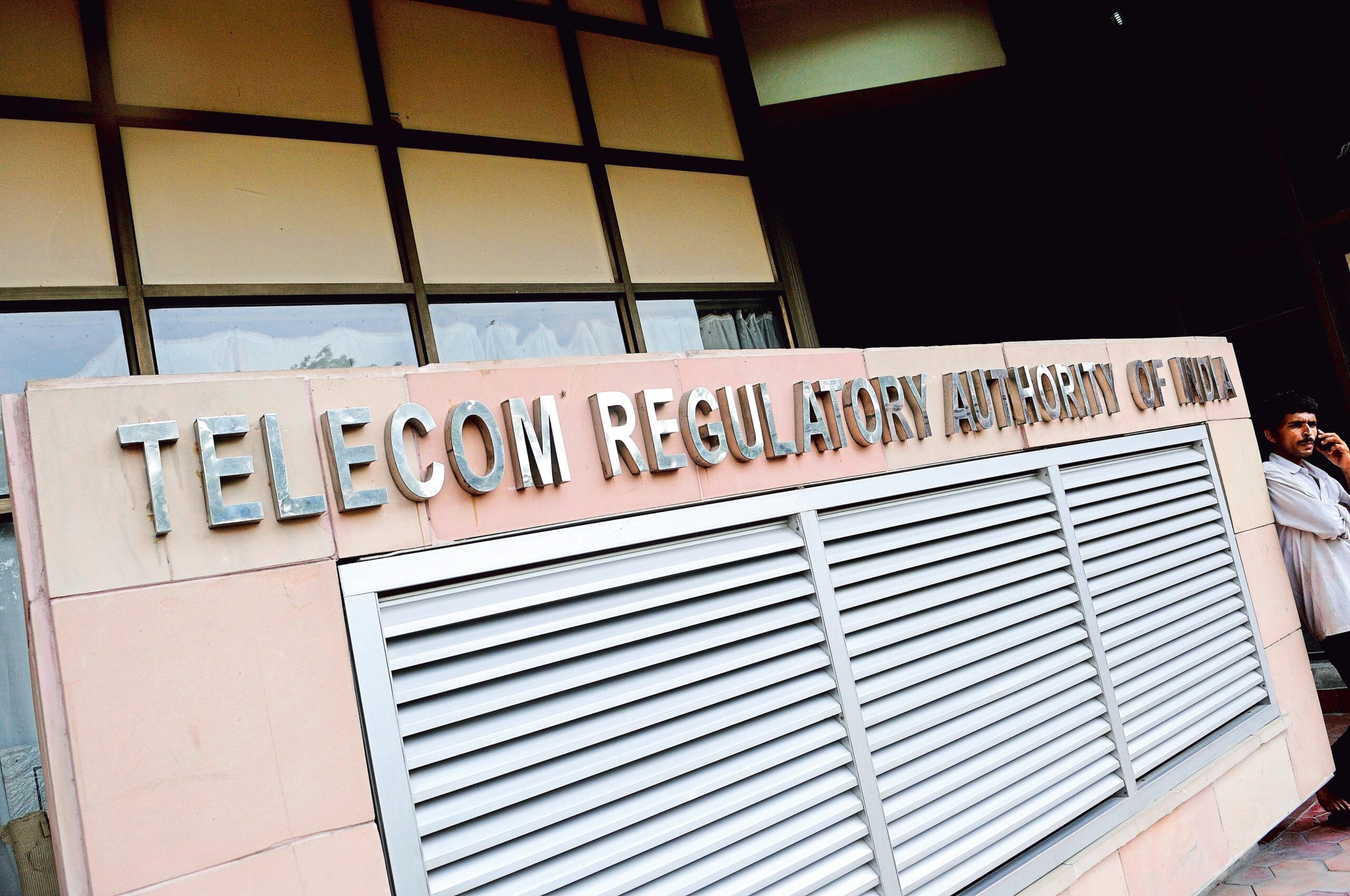
Regulatory attention has turned to digital infrastructure planning at Navi Mumbai International Airport, as India’s telecom regulator examines disputes over pricing and access for network deployment at the upcoming aviation hub. The review follows formal representations from telecom service providers and responses from the airport operator, raising broader questions about how critical connectivity infrastructure is priced and governed within large public transport assets.
According to officials familiar with the matter, the regulator is assessing disagreements linked to the installation of in-building solutions, or IBS, which are essential for ensuring uninterrupted mobile and data services inside terminals and airport facilities. Telecom operators have flagged concerns over cost structures and access terms, arguing that high deployment charges could undermine the commercial viability of network expansion at the airport. The airport operator, however, has maintained that its pricing framework aligns with prevailing industry benchmarks and that permissions for right-of-way and infrastructure placement have not been withheld. Officials associated with the airport project have indicated that fees reflect long-term maintenance responsibilities, safety protocols, and integration with other airport systems, which add to overall costs.
The regulator has confirmed that it will examine historical agreements at other major airports and transport hubs before deciding whether regulatory intervention is warranted. This review is expected to focus on consistency in pricing models, transparency in access terms, and the balance between infrastructure recovery costs and public interest. Urban infrastructure experts say the outcome could have implications beyond a single airport. As cities increasingly depend on digital connectivity for passenger information, security systems, emergency response, and smart operations, telecom networks are no longer optional add-ons but core infrastructure. Airports, metro stations, and railway terminals are now among the most data-intensive public spaces, making fair and predictable pricing frameworks critical.
Navi Mumbai International Airport is expected to play a pivotal role in easing congestion at the existing Mumbai airport and supporting regional economic growth. Reliable telecom connectivity will be essential for passenger experience, airline operations, and logistics coordination. Industry analysts caution that unresolved disputes could delay network readiness, affecting service quality when the airport becomes operational. From a sustainability and urban resilience perspective, integrated digital systems also enable energy-efficient operations, better crowd management, and reduced on-ground emissions through smarter logistics. Ensuring that telecom deployment is timely and cost-effective therefore aligns with wider goals of building climate-resilient and people-first transport infrastructure.
The regulator’s review is still at an early stage, and no immediate directives have been issued. However, officials suggest that clearer guidelines on pricing and access at large public infrastructure projects may emerge from the process. For cities like Navi Mumbai, where multiple mega-projects are converging, the way digital infrastructure disputes are resolved could shape how future urban assets balance commercial interests with public connectivity needs.
Navi Mumbai Airport Faces Telecom Pricing Review