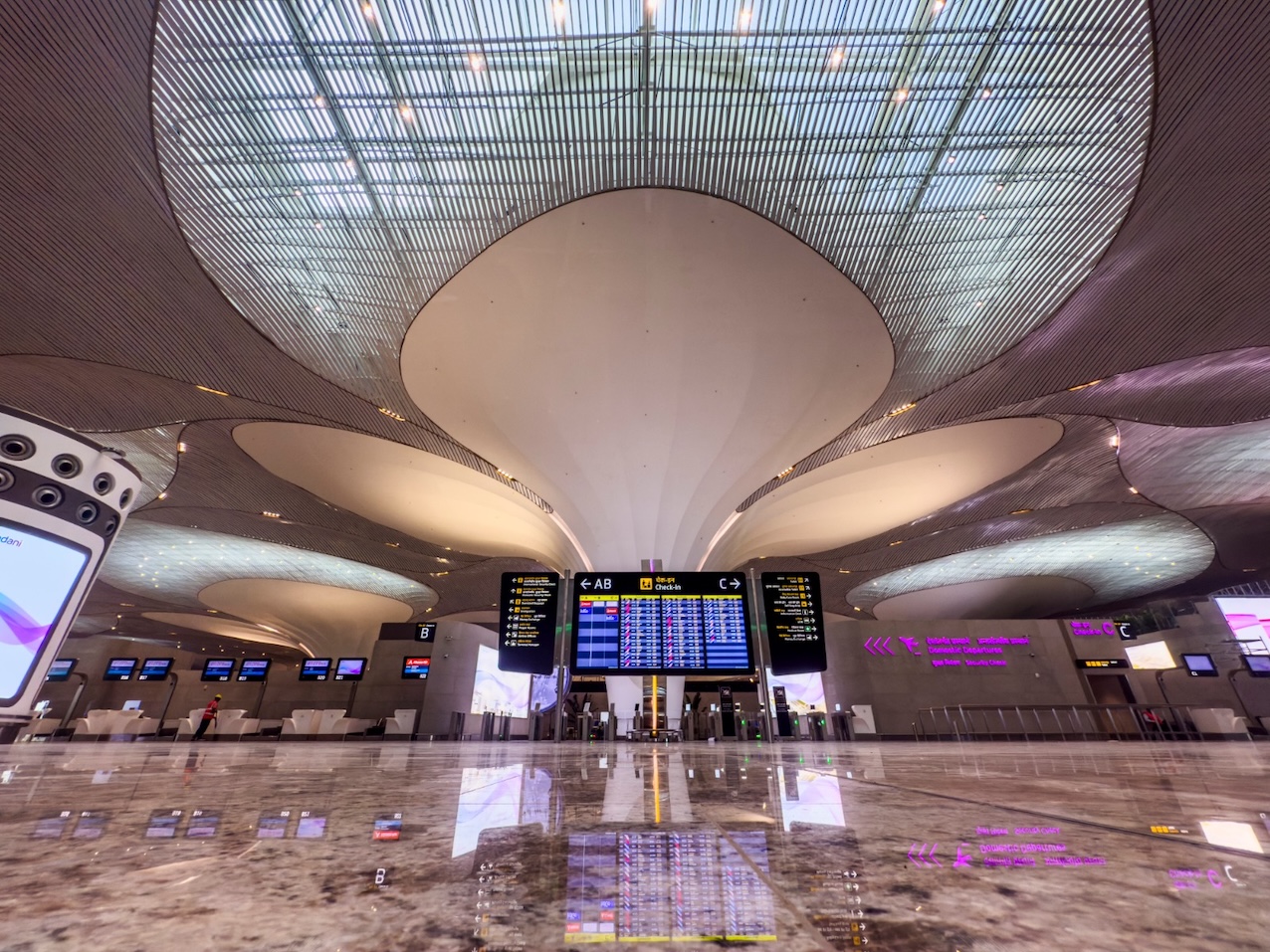
Navi Mumbai International Airport (NMIA) has begun implementing a multi-layered digital connectivity framework aimed at ensuring uninterrupted internet access across its terminal and transport interfaces, positioning digital infrastructure as a core element of airport operations from day one. The approach reflects growing recognition that reliable connectivity is no longer an auxiliary service but a critical enabler of passenger mobility, operational efficiency, and inclusive urban transport systems.
The greenfield airport, developed through a public–private partnership between a major infrastructure conglomerate and the state’s urban development agency, has prioritised digital resilience as it prepares to scale up passenger volumes in the Mumbai Metropolitan Region. Industry observers note that seamless digital access underpins everything from ticketing and security processes to app-based transport integration and emergency response systems in large transit hubs. Airport officials say the strategy blends physical infrastructure planning with operational measures to mitigate network disruptions, particularly in high-density terminal zones where mobile congestion is common. The plan has gained attention amid ongoing discussions between airport authorities and telecom service providers over infrastructure access norms, pricing, and permissions to lay cables and install equipment within airport premises.
From a passenger perspective, the emphasis has been on reducing friction for first-time users, senior citizens, and those dependent on mobile-based travel services. Clear Wi-Fi access guidance has been embedded across terminal information systems, while step-by-step instructions are physically displayed at arrival and departure points. For users without immediate access to mobile data, designated kiosks provide one-time authentication support in line with national identity regulations. Operationally, the airport has deployed on-ground support teams at critical nodes such as baggage reclaim areas, arrival forecourts, and cab pick-up zones. These teams assist passengers and transport workers during periods of weak connectivity, helping ensure that last-mile mobility does not break down due to temporary digital outages. Urban transport planners view such measures as essential in preventing congestion spillovers and informal queuing systems that often emerge when app-based transport fails.
The digital strategy also extends to coordination with taxi aggregators and radio cab operators. A structured vehicle allocation system has been introduced to allow passenger–cab matching even during connectivity disruptions, reducing dependence on constant mobile access. Experts say this hybrid approach—combining digital systems with human oversight—offers a more resilient model for large public infrastructure in high-growth urban regions. As NMIA expands operations, analysts argue that its connectivity framework could set a precedent for future airports and transit hubs across India. With cities increasingly shaped by data-driven mobility and real-time services, embedding reliable digital access into infrastructure planning will be central to building efficient, low-friction, and people-first urban systems. The success of such strategies will ultimately be measured not by technology alone, but by how seamlessly cities function when systems are under stress.
Navi Mumbai Airport Digital Connectivity Strategy Takes Shape