


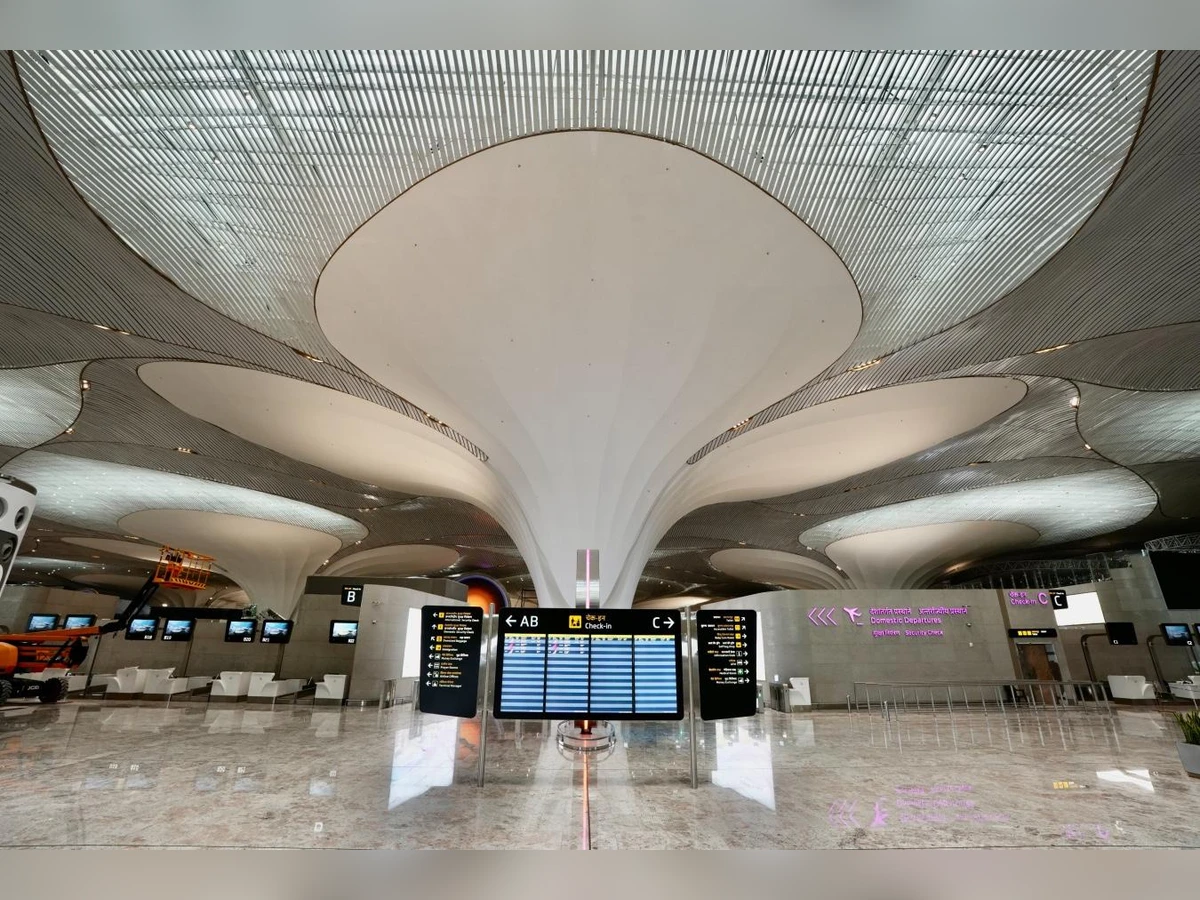
Navi Mumbai is preparing to open its long-awaited international airport, a project expected to significantly reshape air travel access for the wider Mumbai Metropolitan Region. The Navi Mumbai International Airport (NMIA) is set to commence operations on 25 December 2025 after its inauguration in October, offering travellers an alternative to the high-traffic Mumbai airport and easing regional connectivity challenges.
The airport, developed through a partnership between a private airport operator and the state’s planning agency, has been envisioned as a major transport node that supports balanced regional growth. Officials say the new hub will help decentralise aviation demand, improve access for travellers from Pune, Navi Mumbai, and the extended metropolitan belt, and contribute to sustainable mobility by reducing multi-hour commutes to the existing airport. Located near Panvel, between a national highway corridor and a key arterial route, NMIA is strategically positioned to integrate with upcoming road and metro networks. Improved links — including the Mumbai Trans Harbour Link and the planned Ulwe Coastal Road — are expected to reduce dependence on private vehicles, with urban planners noting that better multimodal access is essential for lowering travel emissions in a rapidly growing region.
Spread over more than 1,100 hectares, the airport will open its first phase with the capacity to handle 20 million passengers annually. Future phases will scale that number up to 90 million, placing the project among the country’s largest aviation expansions. Officials confirmed that the initial 12-hour operating window will feature 23 departures daily, increasing to 34 flights from February 2026. The architectural design, conceived by an international firm known for major global transport hubs, draws inspiration from India’s national flower and aims to incorporate natural light and energy-efficient features. According to industry experts, the design focus on optimising daylight and thermal efficiency reflects broader efforts to embed sustainability into large infrastructure projects, aligning with India’s net-zero ambitions.
In its launch phase, the airport will connect to 16 domestic destinations. Two leading carriers will operate the majority of early routes, with more airlines expected to join once commercial schedules stabilise. Aviation analysts say the new airport’s connectivity mix will initially focus on high-demand business and leisure routes, with scope for international operations in future phases. Beyond aviation growth, NMIA is expected to play a role in shaping more equitable urban access. Residents in districts such as Thane, Karjat, Lonavala, Pune, and Alibaug — many of whom face extended surface travel to reach Mumbai’s existing airport — are likely to benefit from substantial reductions in travel time. Urban development experts note that improved connectivity can support regional economic opportunities while reducing travel stress and long-distance congestion.
With construction of planned metro corridors, including a dedicated airport metro link, the city aims to strengthen greener modes of airport access. Officials say these transport systems will be essential to ensuring that the airport’s growth aligns with sustainable urban goals.
Also Read : Mumbai Leads State With 1,700 Green Projects And Highest Certified Building Area
