


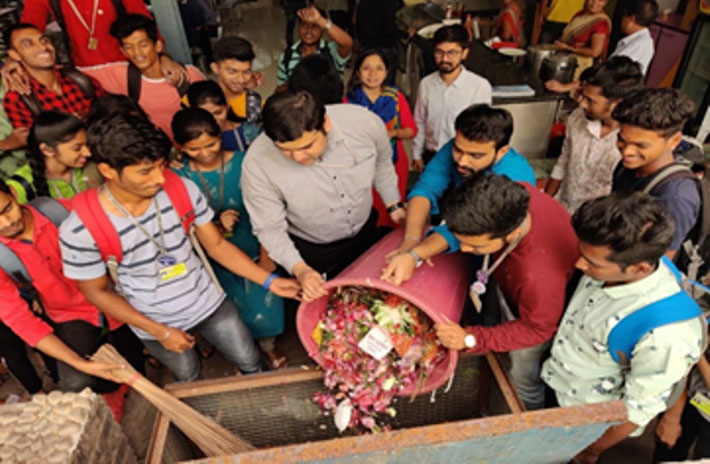
Navi Mumbai witnessed one of its most community-driven environmental efforts this week, as more than 170 citizens joined a mangrove clean-up drive that cleared nearly two tonnes of mixed coastal waste. The initiative, now in its 275th week, underscores both the scale of the city’s waste challenge and the growing civic movements attempting to counter it.
The volunteer-led exercise drew students, college groups, and local residents, who worked along a section of the mangrove belt that frequently accumulates plastic, discarded textiles, and other non-biodegradable waste pushed in by tidal flows. According to volunteers overseeing the initiative, the participation of schoolchildren was particularly notable, reflecting a rising awareness among younger citizens about the vulnerability of coastal ecosystems. A teacher accompanying the students said the drive offered “a real-world understanding of how urban lifestyles shape natural habitats”. Senior coordinators guiding the activity explained the ecological value of mangroves — from stabilising coastlines and supporting fisheries to mitigating the urban heat island effect.
They noted that the high volume of waste removed in a single session demonstrated how unregulated dumping along waterways and informal settlements continues to overwhelm waste management systems. “We are dealing with a human-made problem that nature cannot absorb at this scale,” one volunteer said. Organisers argued that stronger regulatory enforcement, including stricter penalties for littering and better segregation norms, is essential if coastal cities hope to preserve natural buffers like mangroves. With local body elections approaching, they noted that waste management is emerging as a key civic issue, especially in rapidly growing urban regions where infrastructure lags behind consumption patterns.
