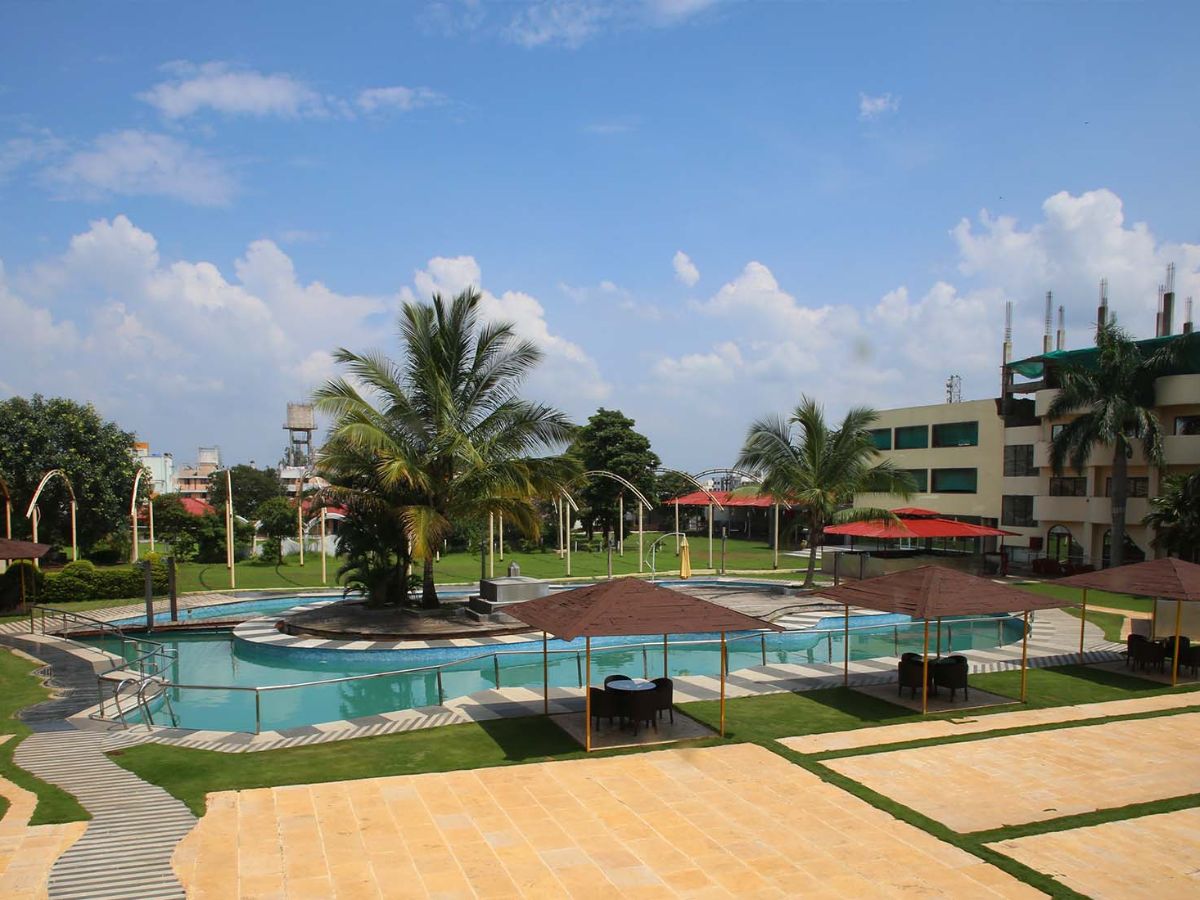
Nashik’s hospitality landscape is gradually expanding as international hotel operators explore opportunities in India’s emerging tourism and business destinations. UK-headquartered Swiss Traffalgaar Luxury Hotels has entered the Indian market with its first property in Nashik, signalling growing investor interest in the city’s hospitality sector and its rising profile as a tourism and events destination.
The hotel marks the brand’s initial step into India and forms part of a broader strategy to develop hospitality assets across South Asia and neighbouring regions. Located along a major arterial route in Nashik, the property has been developed through the acquisition and upgrading of an existing hotel facility, allowing the company to establish operations more quickly in the regional market.The Nashik property is designed as a full-service hotel offering more than 100 guest rooms along with event spaces, dining facilities and recreational amenities. Spread across roughly 12 acres, the development includes landscaped open areas capable of hosting large social gatherings and corporate events—an important segment of the city’s hospitality demand.
Industry observers note that Nashik has become an increasingly attractive location for hospitality investment over the past decade. Known as the “wine capital of India,” the city has witnessed steady growth in domestic tourism linked to vineyards, religious travel and regional cultural destinations. Its proximity to Mumbai and Pune also makes it a popular destination for weekend travel and large private events such as weddings and corporate retreats.Hospitality analysts say this evolving tourism ecosystem is creating demand for higher-quality accommodation and event infrastructure. Branded hotel operators are gradually exploring opportunities in such tier-two cities where rising visitor numbers and improving connectivity are reshaping local economies.
The Swiss Traffalgaar Luxury Hotels property in Nashik incorporates multiple indoor and outdoor event settings and a large landscaped venue designed for major functions. Such facilities are increasingly becoming central to hospitality projects in regional cities, where weddings, conferences and social gatherings form a significant portion of hotel revenue streams.The company has also indicated plans to expand its presence in India beyond the Nashik property. According to industry reports, the group has already invested in upgrading the facility and has outlined broader investment plans that could include resort-style developments and additional hospitality projects in the region.Urban development specialists say hospitality investments often play a wider role in strengthening local economies. New hotels can generate employment across construction, hospitality services and tourism-related businesses, while also supporting the growth of event tourism and local retail activity.
For Nashik, the arrival of an international hospitality brand highlights the city’s gradual transformation into a diversified tourism and business destination. As infrastructure connectivity improves and tourism circuits expand across Maharashtra, hospitality infrastructure in cities like Nashik is expected to play an increasingly important role in supporting regional economic growth and travel demand.