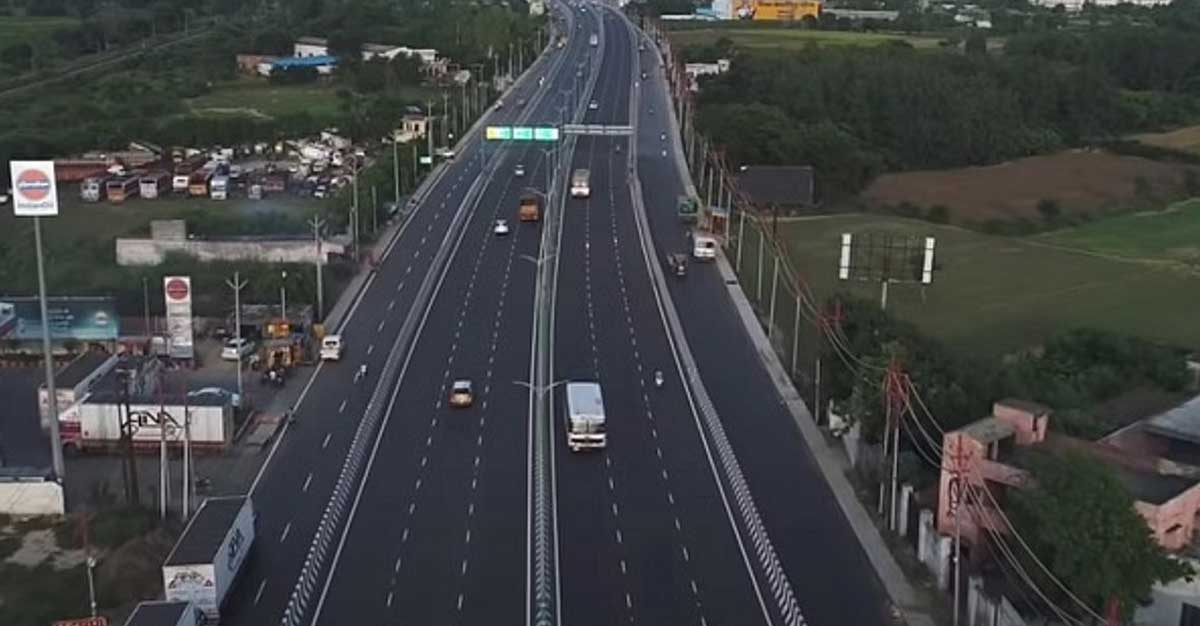
A long-standing traffic bottleneck on one of Nashik’s critical arterial corridors may soon ease as plans advance to widen the Nashik Road–Dwarka stretch of the Pune highway to ten lanes, drawing public support from daily commuters and transport stakeholders. The proposed expansion, which includes major structural upgrades such as a grade-separated junction at Dwarka, signals a strategic push to modernise transport capacity ahead of the 2027 Nashik Trimbakeshwar Simhastha Kumbh Mela and sustained urban growth in the region.
The highway segment currently suffers from severe congestion, particularly at chokepoints like Dwarka junction, Kathe Galli, and Upnagar, where traffic frequently grinds to a halt during peak hours. Residents and motorists report that even minor incidents — such as vehicle breakdowns — can trigger kilometre-long tailbacks on the existing six-lane configuration.“The capacity issue here is not new,” says a city transport analyst. “Population growth in Nashik’s northern suburbs and rising freight movement towards industrial belts have steadily exceeded the road’s design throughput.” Adding two lanes to each side, as proposed, would significantly enhance vehicular flow, reducing commute times and potentially cutting emissions tied to idle traffic — an increasingly urgent concern as cities grapple with air quality and climate goals.
A central element of the proposal is constructing a grade separator at Dwarka junction, an engineering solution designed to segregate crossing traffic streams without stopping movement at surface level. Planners argue this will improve safety and reduce pressure on alternate routes like the Kathe Galli–Mumbai Naka corridor, which many drivers currently use to escape congestion but which lacks sufficient capacity itself.However, urban mobility experts caution that widening projects alone do not resolve all transport challenges. Heavy truck traffic — particularly movements between Sinnar industrial regions and Dwarka — is cited as a persistent cause of slow travel and road wear. Several stakeholders advocate for a dedicated heavy-vehicle bypass or freight corridor to divert through-traffic away from city centre roads, aligning with broader sustainable transport strategies that prioritise safety and efficiency.
The proposal’s timing is notably aligned with preparations for the 2027 Simhastha Kumbh Mela, which will draw millions of visitors to Nashik and exert extraordinary demand on local infrastructure. City officials are balancing these large-event deadlines with long-term mobility planning, having also pursued asphalt surface upgrades and ancillary improvements to the corridor.In the context of Nashik’s rapid urbanisation — with suburbs like Nashik Road absorbing commuters, logistics traffic, and residents alike — expanding road capacity is a dual-edged endeavour. While it can unlock economic connectivity and reduce current travel stresses, a more integrated approach that meshes with public transport enhancements, pedestrian safety measures and freight planning is likely essential for sustained equitable mobility and lower emissions.
As formal approvals progress, the key test will be translating engineering intent into multi-modal outcomes that serve daily commuters, support inclusive access, and strengthen Nashik’s resilience against growing transport demands.