


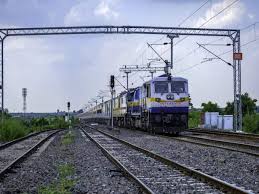
Indian Railways has approved an investment of Rs 1,200 crore to modernise five key railway stations in Nashik ahead of the upcoming Simhastha Kumbh Mela, a move aimed at improving passenger experience, operational efficiency, and urban mobility. The initiative reflects a broader strategy to strengthen infrastructure in cities experiencing seasonal population surges while aligning transport networks with sustainable and inclusive urban planning.
The station upgrades will include enhanced waiting areas, digital information systems, improved sanitation facilities, and better accessibility features. Urban planners note that such investments are critical in cities like Nashik, where large-scale religious events temporarily increase transit demand, straining existing public transport and road networks. By optimising station layouts and streamlining passenger movement, these projects aim to reduce congestion and improve safety for both daily commuters and visitors. From a sustainability perspective, the modernisation includes energy-efficient lighting, water conservation systems, and the integration of green spaces within station premises.
A senior railway official indicated that these measures are designed to reduce the stations’ carbon footprint and promote environmentally responsible transport infrastructure. Experts in urban development highlight that such interventions can serve as models for other mid-sized cities facing episodic urban population spikes due to festivals, tourism, or pilgrimages. Economically, the projects are expected to generate local employment opportunities during construction and improve connectivity for businesses relying on efficient freight and passenger movement. Improved station infrastructure also strengthens the potential for transit-oriented development, providing equitable access to retail, services, and affordable transport options. Industry analysts emphasise that enhancing station capacity ahead of high-demand periods supports urban resilience and long-term economic inclusion.
Operational safety is another focus area, with upgraded signalling, platform extensions, and crowd management systems planned to handle peak passenger loads. Transport safety experts suggest that these enhancements reduce accident risk, enhance emergency responsiveness, and increase overall commuter confidence in rail travel, which can shift travel demand from private vehicles to public transport, reducing road congestion and urban emissions. As Nashik prepares for one of its largest annual gatherings, the station upgrades illustrate the intersection of urban infrastructure, event management, and sustainable planning. Analysts suggest that effective implementation could serve as a blueprint for other Indian cities seeking to modernise transport infrastructure without compromising environmental and social objectives.
Also Read: Indian Railways Approves Major Infrastructure Projects
Nashik Rail Infrastructure Modernised Ahead Of Kumbh
