


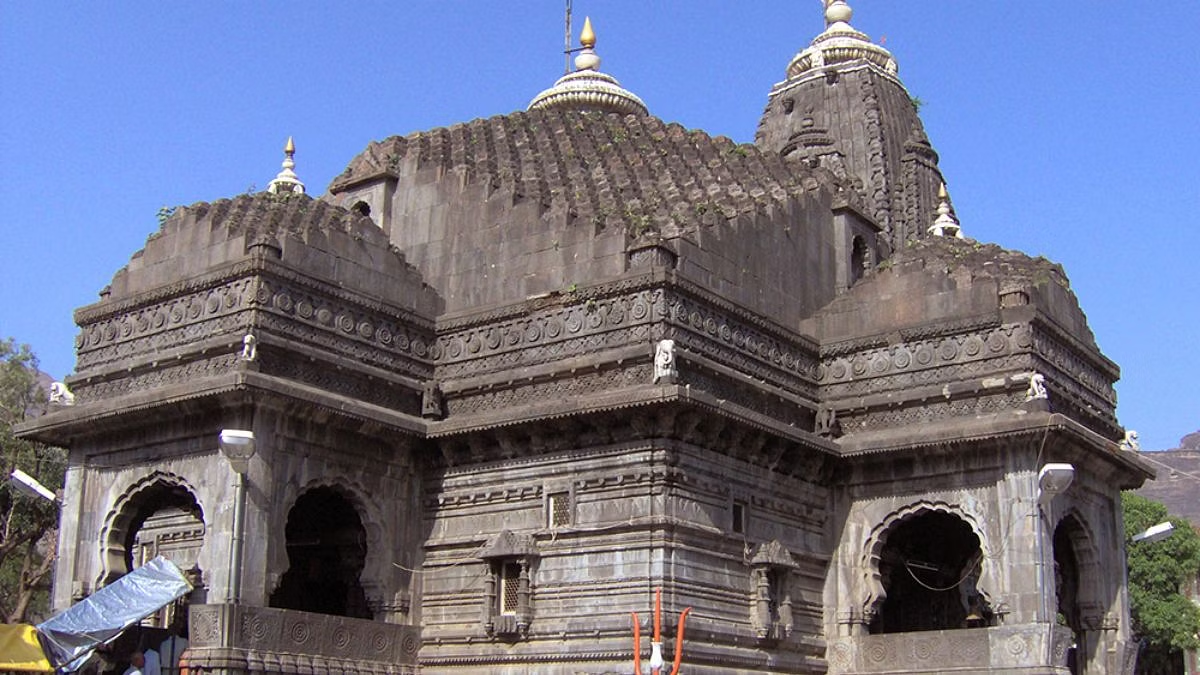
Nashik, a city at the confluence of tradition and modernity, is leveraging its annual religious pilgrimages to chart a course toward sustainable urban mobility. In a proactive move, city authorities have implemented a comprehensive traffic management plan for the third Shravan Somvar, a day of immense spiritual significance that draws hundreds of thousands of devotees to the sacred Trimbakeshwar shrine. The strategy, which prioritises public transport and pedestrian safety, is not merely a logistical exercise but a blueprint for creating an equitable and environmentally conscious cityscape. This approach exemplifies how urban centres can harmonise traditional events with a future-focused vision of sustainability.
The annual pilgrimage to Trimbakeshwar, one of the twelve revered Jyotirlinga shrines, is a powerful manifestation of faith. The third Monday of the holy month of Shravan holds particular significance, attracting a massive influx of pilgrims from across the state and the country. Many undertake the arduous ‘Brahmagiri Pradakshina’ or circumambulation of the hill a day prior to the main festival, creating a complex, two-day event that puts immense pressure on the city’s infrastructure. In past years, this surge in vehicular traffic has often led to significant congestion, noise pollution, and extended travel times, impacting both locals and visitors. This year’s strategy, however, signals a distinct shift in priorities.
In response to the anticipated pilgrim rush, city officials have strategically closed key arteries from the Taluka Police Station to the MNS party office for all private vehicles. The decision to restrict this critical stretch, while inconvenient for some, is a calculated effort to create a dedicated, zero-emission corridor for state transport buses and pedestrians. This not only facilitates the smooth and unhindered movement of pilgrims relying on public transit but also significantly curbs the carbon emissions that would be generated by a multitude of individual cars and two-wheelers. By channelling the bulk of the crowd onto a single, efficient mode of transport, the city is championing a sustainable solution that serves a larger societal purpose.
Experts believe this model could be a template for other Indian cities grappling with similar challenges. The plan demonstrates a progressive attitude towards urban planning by addressing a cultural and spiritual event through a modern, sustainable lens. The focus on public transit over personal vehicles fosters a more equitable city, ensuring accessibility for all economic strata and reducing the socioeconomic disparity often associated with private transport reliance. By proactively managing the flow and encouraging collective travel, the city is promoting a cleaner, safer, and more inclusive environment for its residents. The authorities’ action, therefore, is not a simple traffic directive but a forward-thinking policy statement on how Nashik intends to evolve as a smart, sustainable, and equitable city.
Also Read :Mizoram PWD And YMA Sign Pact For Improved Road Infrastructure
