Nashik Gets ₹227 Crore Sewerage Upgrade Under AMRUT 2
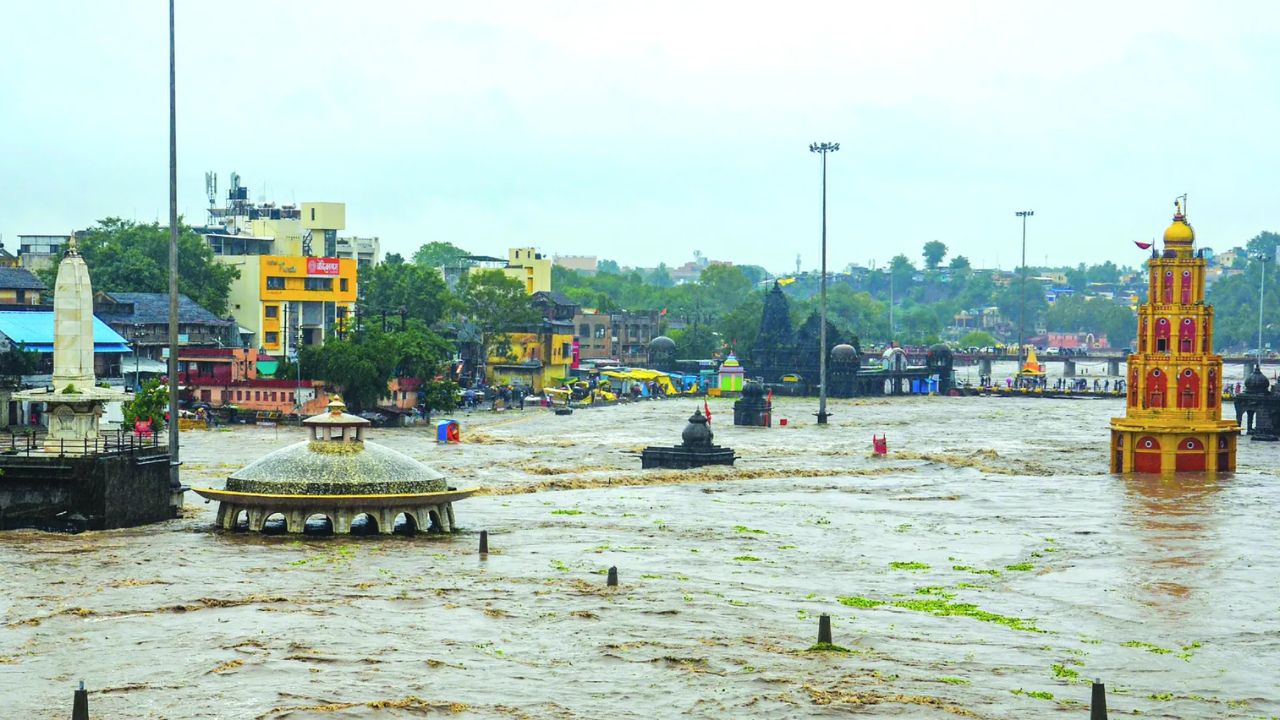
Nashik is accelerating efforts to modernise its urban sanitation infrastructure with two sewerage projects worth ₹227.18 crore approved under the government’s AMRUT 2.0 scheme, civic officials said, a move aimed at reducing raw sewage entering the Godavari River ahead of the upcoming Simhastha Kumbh Mela. The initiative reflects growing policy focus on sustainable wastewater management and public health in a rapidly expanding urban centre.
The approved works will invest ₹120.17 crore in new sewer network expansion and ₹107.01 crore to replace aging lines, strengthening drainage capacity across key Nashik wards. These upgrades are intended to improve collection efficiency and reduce untreated wastewater discharge into tributaries that feed the Godavari — a river central to the city’s cultural, ecological and economic life.Urban planners describe the projects as foundational to Nashik’s broader AMRUT 2.0 commitments, which prioritise universal sewerage coverage and sanitation infrastructure as prerequisites for resilient urban development. National guidelines under AMRUT 2.0 emphasise complete sewage collection and treatment systems to meet growing urban demands while preventing environmental degradation of waterways.
Improving Nashik’s sewer infrastructure has long been a policy challenge. The city’s sewer network spans hundreds of kilometres, yet gaps in coverage and outdated pipelines have allowed untreated sewage to reach the Godavari, contributing to water quality issues and public health concerns. Experts note that reinforcing sewer grids and treatment capacity is essential for cities experiencing rapid population growth, especially where major religious gatherings can draw millions of visitors.City authorities are integrating these upgrades with broader river rejuvenation efforts. Large-scale projects previously proposed in Nashik include constructing new sewage treatment plants (STPs) and augmenting pumping infrastructure to intercept nullahs that channel untreated waste into the river. Prior reports have outlined plans for multi-location STPs with capacities ranging from dozens to hundreds of million litres per day, aimed at diverting raw sewage into controlled treatment facilities.
From an economic perspective, enhanced sanitation infrastructure can catalyse multiple benefits for Nashik’s urban economy, from reducing public health costs to unlocking investment in riverfront development, tourism and residential real estate. Water quality improvements also underpin ecosystem health, which supports agriculture and fisheries downstream. Urban environment specialists say that meeting Sustainable Development Goal (SDG) targets for sanitation will require ongoing investment beyond discrete capital projects — including maintenance regimes, community engagement and data-driven monitoring systems.However, implementation remains complex. Challenges include coordinating construction in densely populated wards, managing traffic and utility disruptions, and ensuring equitable service improvements across socio-economic groups. Civil society advocates argue that community-level communication and transparent timelines are essential to maintain public trust and help residents plan around service changes. They also call for strong enforcement of sewer discharge standards to protect public health and preserve river ecosystems.
As Nashik prepares for the Kumbh Mela’s influx of visitors, the accelerated sewerage works under AMRUT 2.0 represent a critical step toward integrated urban sanitation and river management. Sustained commitment to infrastructure quality, regulatory compliance and stakeholder collaboration will be key to achieving long-term environmental and civic benefits.