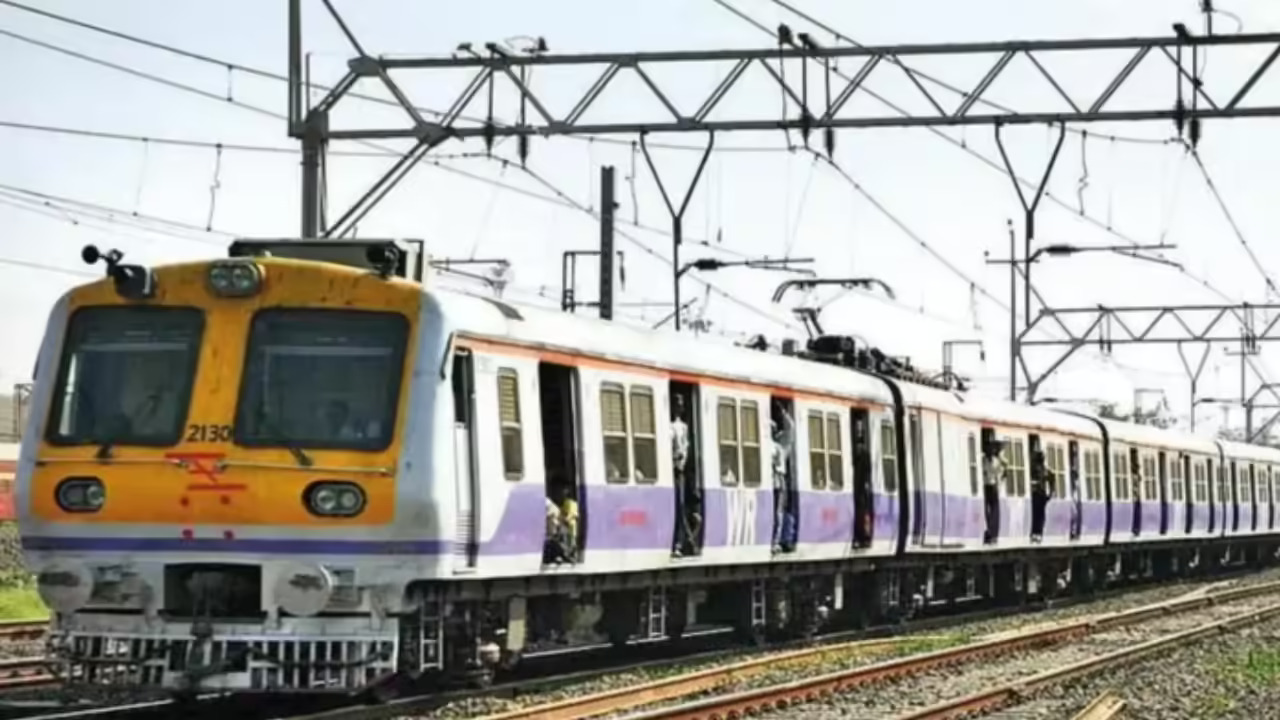
Nandgaon derailment disrupts Mumbai-bound train traffic in Nashik district
A derailment involving an empty goods train in Nashik district has caused significant disruption to Mumbai-bound rail traffic, impacting thousands of commuters and long-distance travellers during the crucial morning rush hour. The incident, which occurred at Nandgaon railway station, brought services on a vital transport corridor to a standstill as officials worked to re-rail the coach. While there were no injuries reported, the operational standstill serves as a poignant reminder of the intricate balance required to maintain a seamless urban mobility network that underpins a city’s economic and social functionality.
The derailment took place at approximately 7:17 am, as an empty freight rake was en route to Daund. The incident, though minor in scale, had a major domino effect on the Mumbai-bound mainline, a key artery for both passenger and commercial traffic. Senior officials from the railway have confirmed the disruption, stating that the entire track was blocked, necessitating a swift and coordinated response to restore normalcy. The incident highlights the vulnerability of extensive transport networks, where a single point of failure can create a widespread ripple of inconvenience, affecting commuters across a vast region.
From a sustainability perspective, such disruptions underscore the importance of investing in robust and resilient infrastructure. While the rail network is a cornerstone of a zero-net-carbon and eco-friendly transport system, its effectiveness relies on flawless operation. Incidents like this demonstrate that maintenance and operational vigilance are not just matters of safety but are integral to the reliability that makes public transport a viable and preferred option over private, carbon-intensive vehicles. A reliable train service is essential for creating equitable cities, as it ensures that all segments of the population have access to affordable and predictable transit, irrespective of their socioeconomic status.
The list of affected services reads like a who’s who of India’s premier long-distance trains, including the Delhi–Mumbai Rajdhani Express, Amritsar–Nanded Sachkhand Express, Howrah–Mumbai Duronto Express, and Patliputra Express, among others. These delays, which were expected to last up to three hours, do more than just inconvenience travellers; they disrupt business schedules, impact personal commitments, and can cause significant emotional and financial stress. The incident sheds light on the human element of public transport, where the smooth functioning of a machine directly influences the daily lives of countless individuals.
While technical teams are on site and working to clear the tracks, the incident underscores the ongoing challenge of managing a large-scale rail network that is under constant pressure. The focus of the authorities remains on minimising passenger inconvenience and ensuring that all stranded trains are able to resume their journeys as quickly as possible. This event serves as a clear case study on how operational disruptions, even minor ones, can have a magnified impact on a city and society dependent on efficient and reliable public transit systems.