


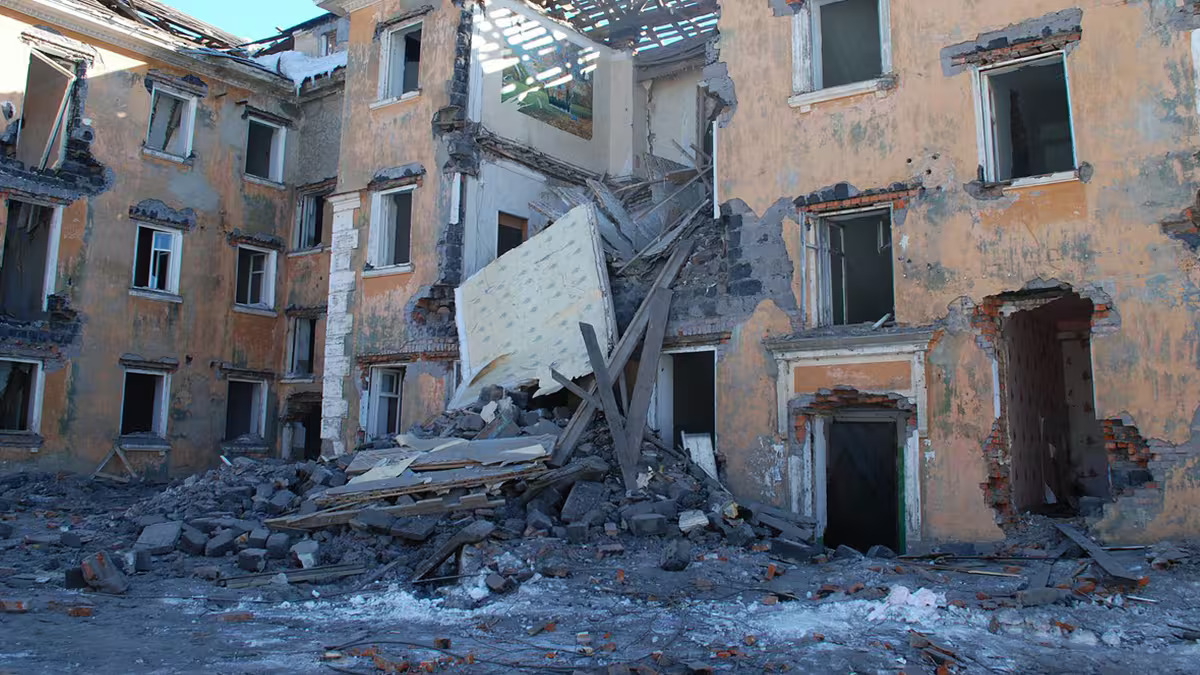
Two residential buildings in Nalasopara were swiftly evacuated this week after civic officials and the fire brigade found cracks in key structural pillars, raising fears of imminent collapse. The move, which displaced more than 200 families, comes barely a week after the tragic building collapse in Virar claimed 17 lives, placing the spotlight once again on the perils of unregulated construction in Mumbai’s extended suburbs.
The evacuation began when officials from the Vasai Virar City Municipal Corporation (VVCMC) and the fire brigade inspected the Saba Apartment in Rehmat Nagar, Nalasopara East, following complaints of visible damage to one of its support pillars. The ground-plus-four structure housed 40 flats, two shops and 125 residents. Experts confirmed that the weakened pillar posed a direct threat to human safety, necessitating immediate evacuation. In a precautionary measure, the adjacent Asifa Apartment was also vacated. This second building, containing 32 flats, 11 shops and around 115 families, shared a narrow lane with the damaged structure, prompting concerns of a chain reaction should one collapse. Families were seen hurriedly collecting their belongings, with some moving to relatives’ homes and others being accommodated temporarily in nearby halls.
Officials revealed that the building had been marked earlier as suitable for repair. However, residents reportedly began unauthorised repair works without seeking municipal permissions or expert advice. This reckless intervention, authorities believe, further compromised the structure, damaging the pillar and escalating risks for all occupants. Civic officials reiterated that such unregulated activity not only endangers residents but also burdens civic agencies forced to respond at short notice. The incident comes against the backdrop of a disturbing pattern in the Vasai-Virar belt, where illegal constructions have mushroomed rapidly over the past two decades. Urban planners note that poor quality materials, absence of structural audits, and lack of adherence to building codes make these properties highly vulnerable to collapse. They argue that the Virar tragedy and the Nalasopara evacuation are symptomatic of a deeper crisis in urban governance, one that places lives at risk for the sake of unchecked expansion.
Experts emphasise that sustainable housing solutions and stricter enforcement of safety norms are the only way forward. Mumbai’s peripheries have absorbed massive population inflows, but without proper planning, the pressure on land has led to a proliferation of unauthorised buildings. Civic bodies, already stretched in resources, face challenges in regular inspections and ensuring compliance. For the displaced families, the immediate concern is shelter. While temporary arrangements have been made, the uncertainty over when or whether they can return lingers. For the city at large, the episode is another reminder of the urgent need for resilient, eco-friendly and legally compliant housing stock that prioritises human safety over haphazard growth.
Unless authorities and citizens act jointly to address the menace of unsafe constructions, Nalasopara may not be the last suburb to face such an emergency.
Also Read : BMC Clears One Lakh Kg Waste From Azad Maidan After Maratha Stir
