Nagpur is witnessing a cluster of pressing civic and safety developments today, from financial irregularities unearthed in cooperative banking to industrial fire hazards and student health alerts shaping urban risk management priorities in India’s growing metropolis.
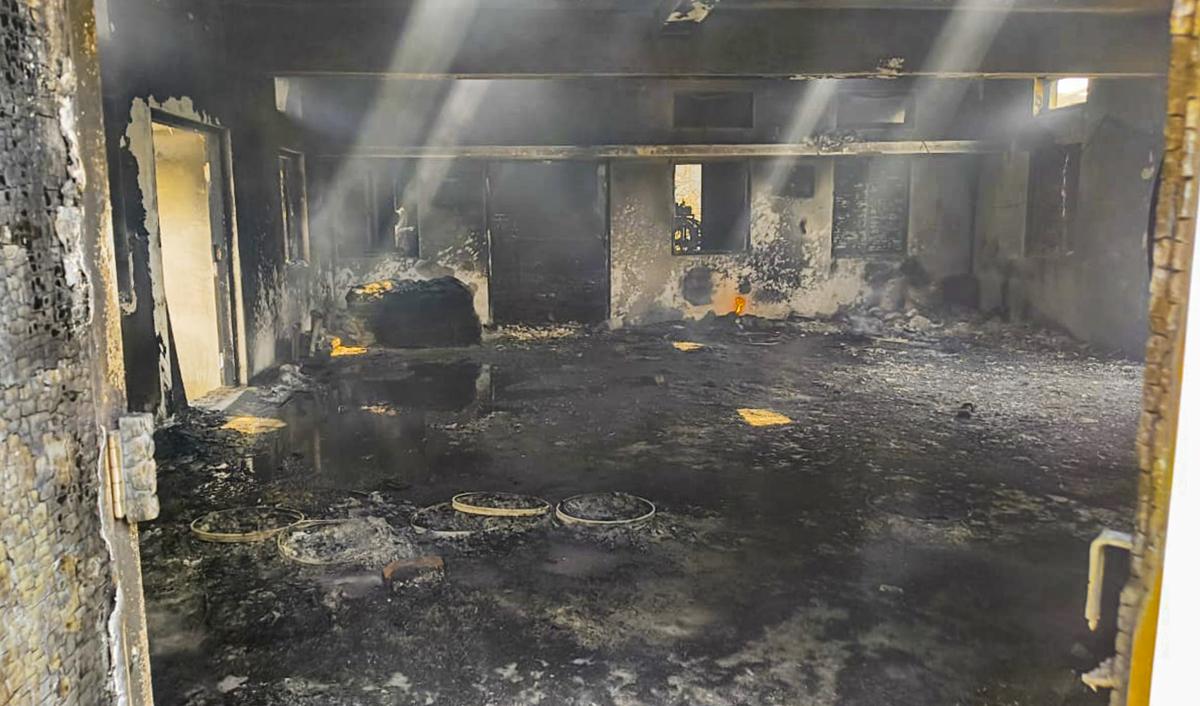
These stories signal systemic challenges spanning economic oversight, industrial safety compliance, and public health infrastructure. Key among today’s updates is the disclosure that tax authorities have uncovered substantial unreported cash and deposits in cooperative banks linked to the region, part of a wider crackdown on undeclared funds. Investigators reportedly identified over ₹1100 crore in previously unreported deposits, a figure nearly equal to total reported holdings in some institutions — triggering broader inquiries into compliance and financial transparency mechanisms that underpin local banking integrity. Simultaneously, recent industrial safety lapses have drawn attention after a significant fire at a paper laminating unit in a Nagpur suburb exposed gaps in regulatory enforcement.
The blaze revealed a lack of adequate firefighting infrastructure and water access at the site — conditions that compounded the intensity of the fire and raised questions about monitoring of safety norms in light industrial zones on the city’s periphery. Public works and traffic management also featured in the city’s civic discourse, with a major arterial road adjacent to a railway station experiencing severe congestion following closure for proposed underpass construction — a reminder that urban infrastructure upgrades often carry short-term disruption risks for commuters. Beyond physical infrastructure, Nagpur’s educational and health ecosystems face scrutiny amid reports of a broader “student health scare”, which underscores the need for robust campus medical support and mental wellness resources — particularly as academic pressures mount across institutions. Such concerns reflect wider policy debates on student wellbeing in densely populated urban regions.
Taken together, today’s developments reflect the multifaceted pressures of urban growth in Nagpur — including the interplay between financial governance, industrial safety, transport planning and public health systems in shaping civic resilience and quality of life. Each node of concern — whether financial compliance in cooperative banking or enforcement of fire safety standards — holds implications for everyday residents and private sector confidence alike. For city planners and civic administrators, these emerging issues highlight persistent gaps in risk management and enforcement frameworks that must be addressed as Nagpur scales its infrastructure and services in line with population growth. Proactive investments in regulatory capacity, data-driven compliance systems, and integrated emergency response mechanisms will be integral to mitigating hazards that span economic, environmental and social dimensions of urban life.
As these stories unfold, Nagpur’s stakeholders will be watching how authorities balance short-term incident responses with longer-term reforms aimed at strengthening systemic resilience — a foundational challenge for equitable and sustainable urban development in India’s tier-two cities.