Nagpur Tipeshwar Eco Zone Crackdown Targets Illegal Resorts
Authorities in Maharashtra’s Yavatmal district have initiated enforcement action against unregulated tourism infrastructure near a protected forest, signalling a tighter regulatory stance on development within ecologically sensitive zones.
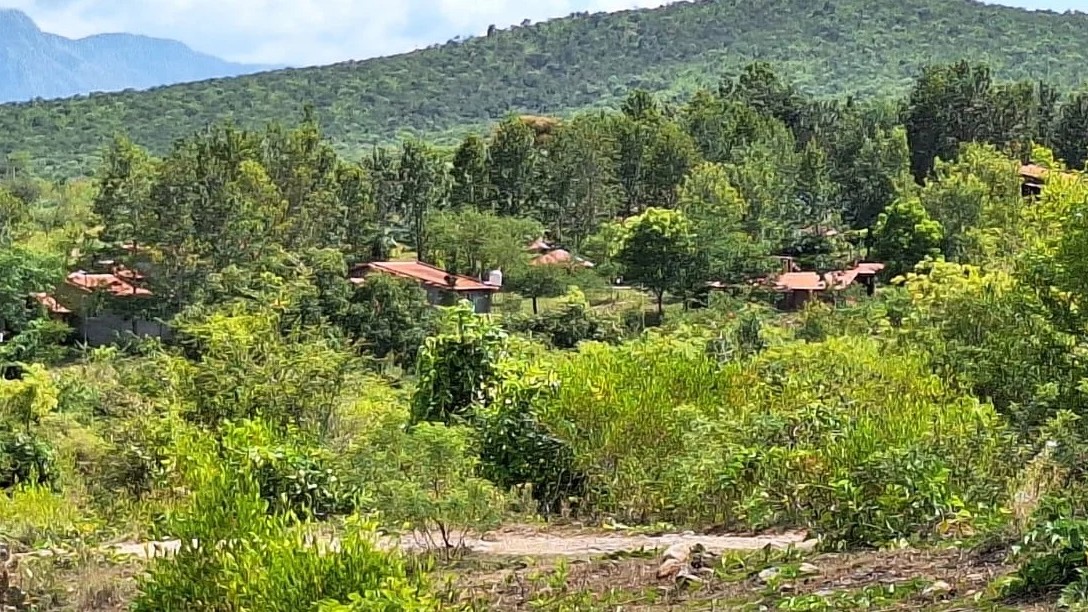
The forest department has issued notices to 15 resort operators in the eco-sensitive zone surrounding Tipeshwar Wildlife Sanctuary, directing them to halt construction and commercial activities until statutory approvals are secured. The action highlights growing concerns over compliance gaps in areas designated for environmental protection, particularly as tourism-linked development expands into fragile landscapes. The eco-sensitive zone, notified in 2018, mandates prior clearance for any construction or commercial use from a district-level monitoring authority. Officials found that several operators had bypassed these requirements, with some allegedly proceeding beyond limited permissions granted for land improvement activities. The issue came under scrutiny after access restrictions were reportedly imposed on forest personnel, prompting a review of on-ground activities. Subsequent verification revealed that multiple establishments had begun operations without the required environmental clearances, raising concerns about unchecked development within a protected buffer area.
The enforcement action underscores a broader tension between tourism-driven economic activity and ecological safeguards. Eco-sensitive zones are intended to act as transition areas that regulate human activity around wildlife habitats, limiting construction intensity and preventing environmental degradation. However, weak enforcement and fragmented approvals have often allowed informal development to proliferate in such regions.Urban and environmental planners point out that the Tipeshwar case reflects a recurring pattern across India’s peri-urban and forest-edge landscapes, where tourism infrastructure expands faster than regulatory oversight. As cities grow and demand for nature-based tourism rises, these zones are increasingly under pressure from commercial operators seeking to capitalise on proximity to protected areas.From a policy perspective, the crackdown may indicate a shift towards stricter compliance enforcement, particularly in regions where biodiversity conservation is critical. Experts suggest that ensuring transparent approval mechanisms, digital monitoring, and inter-agency coordination could help prevent similar violations in the future.The implications extend beyond environmental conservation. Unregulated construction in eco-sensitive zones can disrupt wildlife movement, strain local resources, and increase long-term risks such as forest fires and habitat fragmentation—factors that ultimately affect regional sustainability and resilience.
For local economies, the immediate impact may involve disruption to tourism activity, but planners argue that formalising operations through compliance could improve long-term viability. Sustainable tourism models—aligned with ecological limits—are increasingly seen as essential for balancing livelihood generation with conservation goals.With authorities warning of legal action under environmental laws for continued violations, the next phase will hinge on whether operators regularise their projects or face stricter penalties. The Tipeshwar case may well serve as a test for how India manages development within its most sensitive ecological buffers—an issue that is becoming central to climate-resilient and responsible urban expansion.