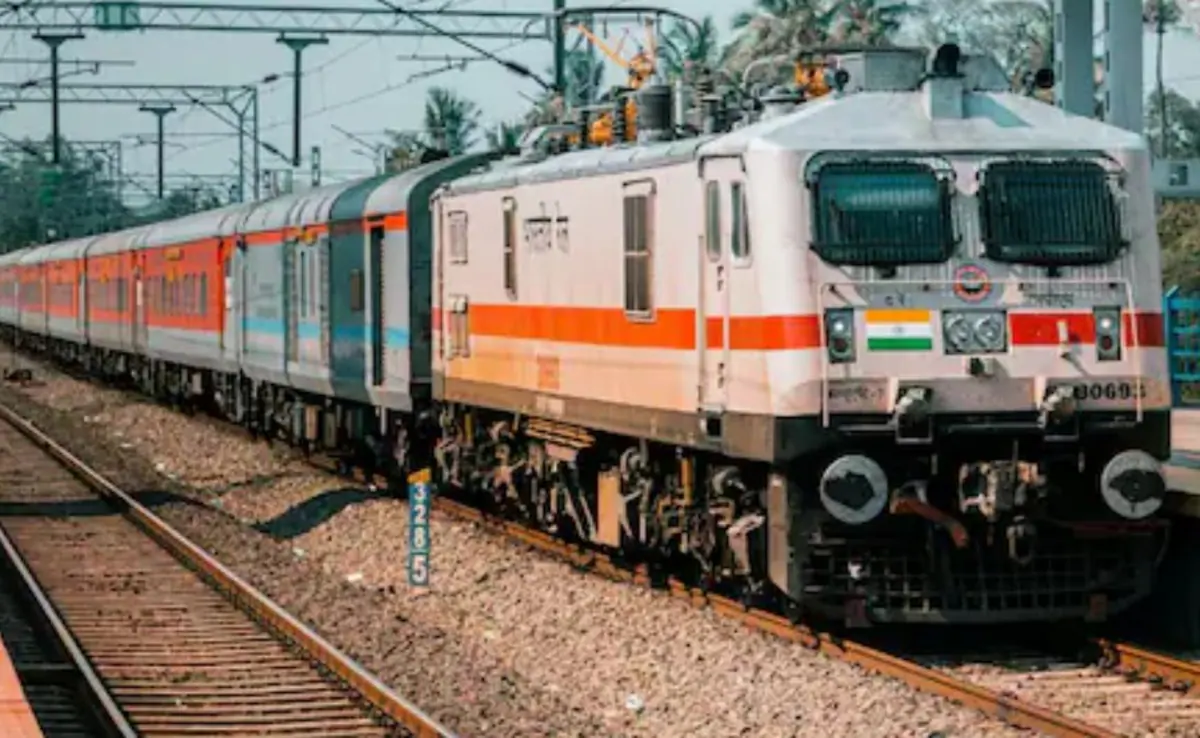
Nagpur Special Trains Boost Connectivity To Mumbai Pune
Nagpur is set to see improved rail connectivity with the introduction of additional train services linking the city to Mumbai and Pune, two of Maharashtra’s primary economic centres. The move is expected to ease travel demand while strengthening intercity mobility across the state’s key urban corridors. The rollout of Nagpur special trains comes in response to rising passenger volumes, particularly during peak travel periods. Railway officials indicate that the additional services aim to address capacity constraints and provide more flexible travel options for both daily commuters and long-distance passengers.
Urban mobility experts view the introduction of Nagpur special trains as part of a broader shift towards enhancing rail-based connectivity between emerging cities and established economic hubs. Improved access to Mumbai and Pune can facilitate business travel, education, and labour movement, supporting regional economic integration. The impact extends beyond passenger convenience. Enhanced rail connectivity can help reduce pressure on road networks, particularly on high-traffic highways connecting these cities. By offering a reliable alternative to road travel, the Nagpur special trains are expected to contribute to lower congestion and reduced transport-related emissions over time. From an economic perspective, better connectivity can unlock opportunities for smaller cities. Nagpur, which is increasingly positioning itself as a logistics and industrial hub, stands to benefit from stronger links to financial and commercial centres. Industry observers note that efficient transport networks are critical for attracting investment and supporting workforce mobility. The initiative also has implications for inclusive urban development. Affordable rail travel remains one of the most accessible modes of transport for a wide range of income groups. Expanding services through Nagpur special trains can improve access to opportunities while ensuring that mobility remains equitable. Rail infrastructure plays a key role in sustainable urban growth. Compared to road transport, rail systems typically have a lower carbon footprint per passenger, making them an important component of climate-resilient mobility strategies. Experts suggest that continued investment in rail capacity and service frequency will be essential as cities expand and travel demand increases. However, planners caution that additional services must be supported by adequate station infrastructure, scheduling efficiency, and last-mile connectivity. Without these elements, the benefits of increased train frequency may not be fully realised.
Looking ahead, the success of the Nagpur special trains will depend on sustained demand and operational efficiency. If effectively managed, the initiative could set a precedent for strengthening rail connectivity between tier-two cities and major metropolitan centres. As Maharashtra’s urban network continues to evolve, improving intercity mobility will remain central to enabling economic growth, reducing environmental impact, and enhancing the overall travel experience for citizens.