


Cities across central India are searching for ways to adapt to intensifying summer heat, and Nagpur has begun exploring a design-driven response at its traffic intersections. The city administration has announced a public innovation challenge inviting architects, engineers, and urban designers to develop solar shade structures for major signalised junctions—an initiative that aims to protect commuters from extreme temperatures while generating renewable power. The initiative reflects a growing recognition that road infrastructure must respond not only to mobility needs but also to climate realities. Nagpur regularly experiences temperatures above 40°C during peak summer months, exposing motorists—particularly two-wheeler riders and pedestrians—to prolonged heat while waiting at signals. Urban planners say the challenge highlights a shift toward integrating climate resilience into everyday public infrastructure.
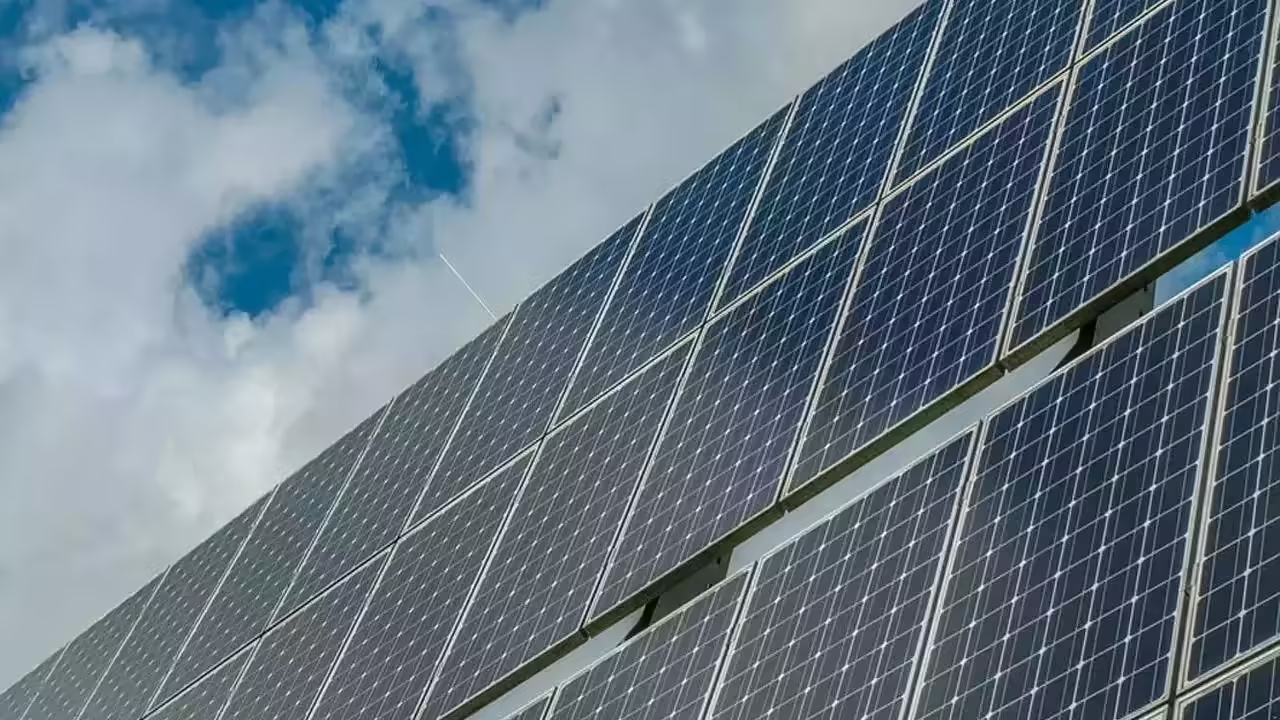
Under the proposal, participants will design modular shade systems equipped with photovoltaic panels. These installations would provide overhead cover at traffic stops while converting sunlight into electricity. Officials associated with the project say the concept could allow intersections to produce small amounts of distributed solar power, potentially supporting nearby lighting systems, traffic equipment, or other municipal energy needs. The solar shade idea also represents an evolution from earlier attempts to address heat stress at signals. In previous years, temporary green net canopies were installed at select junctions to offer shade, but these structures often struggled to withstand high winds or heavy storms. Urban infrastructure experts note that durable solar installations could offer a longer-term solution while aligning with renewable energy goals. Beyond climate adaptation, the competition aims to involve citizens and technical professionals in shaping urban design. Entries are expected to emphasise practicality—ensuring the structures do not obstruct signal visibility, traffic flow, or emergency access—while also considering durability, ease of maintenance, and aesthetics within the public realm. Shortlisted proposals will be reviewed by a technical panel before potential pilot implementation at selected junctions. Urban economists say the idea demonstrates how cities can rethink routine infrastructure as multi-functional assets. Traffic intersections, typically seen as passive mobility spaces, could evolve into small-scale renewable energy nodes. In rapidly growing cities where rooftop solar deployment remains uneven, such decentralised systems may help expand renewable capacity while improving commuter comfort.
Nagpur’s broader climate assessments have already flagged rising temperatures and shifting weather patterns as emerging risks for urban health and infrastructure. Local studies have emphasised the need for adaptive planning—ranging from urban greening and energy efficiency to innovative design solutions that reduce heat exposure in public spaces. If successful, the solar shade experiment could influence how Indian cities redesign everyday civic infrastructure for a warming climate. For commuters waiting under the summer sun, even small design changes at intersections may transform the experience of navigating the city—while quietly contributing to a cleaner urban energy mix.
ALSO READ – Gurugram Housing Project Worth Rs4200 Crore Announced
Nagpur Solar Shade Plan Targets Safer Cooler Intersections
