


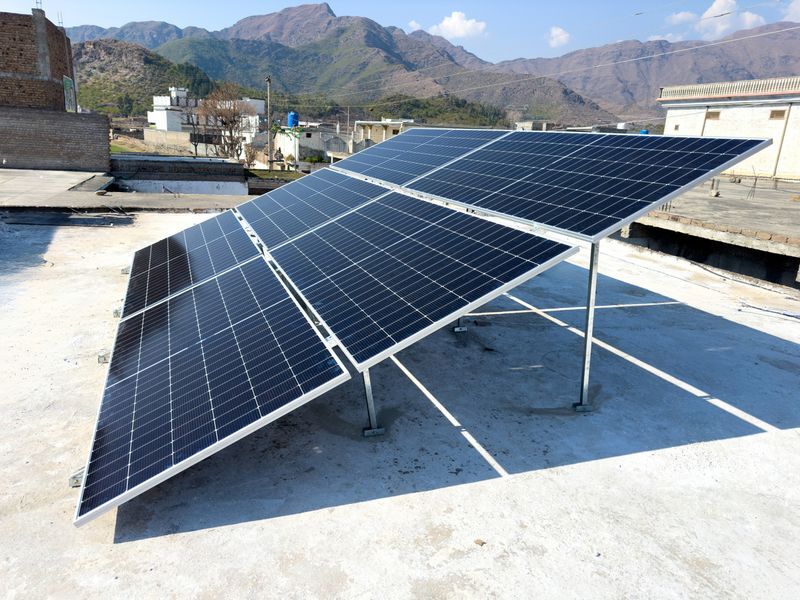
A recent judicial directive is set to accelerate the adoption of decentralised clean energy in Maharashtra, with power distribution authorities required to streamline approvals for small-scale rooftop installations. The Nagpur rooftop solar approvals framework is expected to significantly reduce procedural delays, making it easier for households and small businesses to transition to solar energy. Under the revised approach, systems up to 10 kW capacity will receive faster clearances, addressing a long-standing bottleneck in rooftop solar deployment. Industry observers note that administrative delays have been one of the key barriers limiting the growth of distributed renewable energy, despite strong policy support and declining installation costs.
The shift in the Nagpur rooftop solar approvals process reflects a broader effort to promote decentralised energy systems that can reduce pressure on conventional power grids. By enabling quicker installations, authorities aim to encourage more consumers to generate their own electricity, lowering demand on centralised infrastructure and improving energy resilience. Urban planners highlight that rooftop solar plays a critical role in building climate-responsive cities. Distributed generation reduces transmission losses, optimises existing urban space, and contributes to lower carbon emissions. In dense urban areas like Nagpur, where land availability is constrained, rooftop installations offer a practical pathway to expanding renewable energy capacity without additional land use. The streamlined Nagpur rooftop solar approvals mechanism is also expected to have economic benefits. Faster approvals can stimulate demand for solar equipment, installation services, and maintenance, supporting local job creation. Small businesses, in particular, stand to gain from reduced energy costs and improved energy security. However, experts caution that simplifying approvals must be accompanied by robust technical standards and grid management systems. As more rooftop systems come online, ensuring grid stability and efficient net metering arrangements will be essential. Distribution companies will need to upgrade infrastructure and adopt smart technologies to manage distributed energy flows effectively. The directive also raises important questions about the role of regulatory oversight in balancing ease of access with safety and quality. Ensuring that installations meet required standards will be critical to maintaining system reliability and consumer trust. From a policy perspective, the move signals a shift towards more citizen-centric energy governance. By removing procedural barriers, authorities are enabling greater participation in the energy transition, aligning with national targets for renewable energy expansion.
The Nagpur rooftop solar approvals reform could serve as a model for other regions facing similar challenges in scaling up distributed renewable energy. As cities across India look to reduce their carbon footprint, simplifying access to clean energy solutions will be a key enabler. Looking ahead, the success of this initiative will depend on how effectively it translates into increased adoption on the ground. If supported by awareness campaigns, financing options, and technical support, the streamlined approval process could accelerate the shift towards more sustainable and self-reliant urban energy systems.
ALSO READ – Nagpur Civic Tenders Raise Concerns Over Infrastructure Quality
Nagpur Rooftop Solar Approval Shift Boosts Adoption
