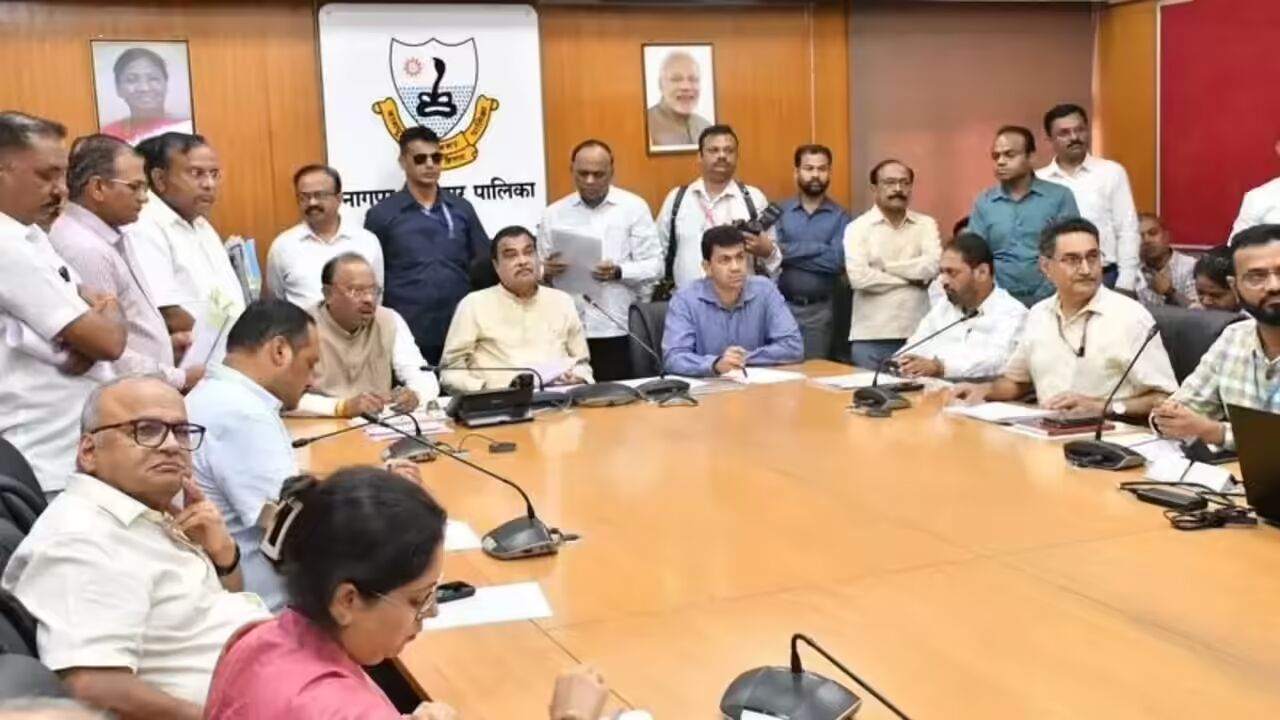
Nagpur Review Meeting Prioritises Water And Tax Reforms
Nagpur’s newly elected mayor convened her first comprehensive administrative review this week, issuing directives on making rainwater harvesting compulsory, widening the property tax base and tightening civic services — moves that signal a shift towards climate-responsive governance and stronger urban revenue frameworks.
The three-hour session at the municipal headquarters brought key officials together to align Nagpur Municipal Corporation (NMC) priorities with service delivery and financial resilience. At the heart of the meeting was the mayor’s insistence on enforcing mandatory rainwater harvesting across the city, a long-standing but under-implemented policy aimed at recharging aquifers and reducing groundwater stress. Urban water experts note that despite earlier mandates, uptake has been minimal; historical data shows only a tiny share of buildings have adopted rainwater systems, even when incentives like property tax rebates were offered. Embedding compulsory requirements within building regulations could help address chronic water shortages and integrate sustainable infrastructure into everyday urban development. Bolstering civic finances also featured prominently. Officials were instructed to expand the property tax net, improve recovery rates and prepare a detailed inventory of NMC-owned lands and buildings.
Analysts say broadening the tax base not only aids fiscal stability, but also underpins investment in core services such as sanitation, drainage and public spaces — components essential for equitable urban growth. Service-level improvements were underscored across departments. The mayor urged better night-time cleaning of markets, rapid resolution of water contamination complaints and enforcement against footpath encroachments to safeguard pedestrians. Enhanced solid waste management and upgrades to NMC-run gardens were also tabled, reflecting a people-first approach to public realm quality that complements technical infrastructure goals. Several additional social and environmental priorities were discussed, including developing a plan to control stray dog populations and exploring options for removing invasive water hyacinth from Ambazari Lake — a move that could support both ecosystem health and public use of green spaces.
Officials were also asked to assess the feasibility of establishing two English-medium schools in each administrative ward, signaling a linkage between civic planning and inclusive educational access. Urban planners emphasise that combining fiscal reform with climate adaptation measures — such as mandatory rainwater harvesting — can enhance local resilience. Nagpur’s stormwater networks have historically fallen short of covering all neighbourhoods, contributing to seasonal waterlogging and groundwater depletion. Aligning policy enforcement with infrastructure upgrades could reduce reliance on groundwater extraction while improving surface water management. The mayor’s assertive agenda comes at a time when civic bodies nationwide are grappling with rising service demands amid strained finances. A parallel proposal to revise property tax rates underscores this tension between fiscal pragmatism and political feasibility.
As NMC moves into action on the directives, the success of these measures will hinge on execution, stakeholder engagement and transparent accountability. Mandatory environmental regulations like rainwater harvesting, if implemented effectively, can strengthen Nagpur’s sustainability credentials while reinforcing equitable access to basic services.