


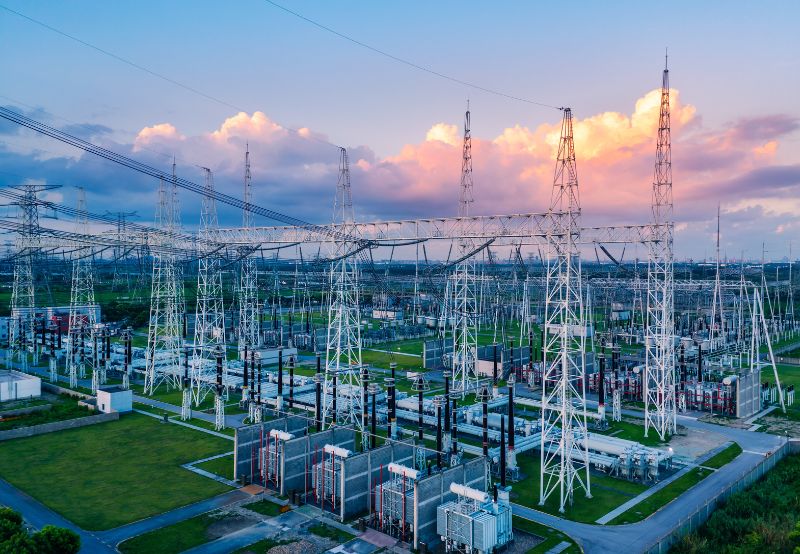
Maharashtra is preparing for a significant shift in its energy mix, with plans to scale renewable sources to 65 per cent of total capacity by the 2035–36 fiscal. The Maharashtra renewable energy target reflects a strategic move towards reducing dependence on conventional power while aligning with long-term climate and sustainability goals. Officials involved in energy planning indicate that the roadmap includes expanding solar, wind, and hybrid energy projects across the state. The Maharashtra renewable energy target is expected to be supported by both utility-scale installations and decentralised systems such as rooftop solar, enabling a more distributed and resilient energy network.
The transition comes at a time when energy demand in Maharashtra continues to rise, driven by urbanisation, industrial growth, and expanding infrastructure. Meeting this demand through cleaner sources is seen as critical to balancing economic development with environmental responsibility. Energy experts note that achieving the Maharashtra renewable energy target will require substantial investment in grid infrastructure. Integrating intermittent renewable sources into the power system necessitates advanced grid management, storage solutions, and flexible generation capacity to maintain reliability. From an urban perspective, the shift towards renewables has direct implications for cities across the state. Cleaner energy can reduce air pollution, improve public health outcomes, and support climate-resilient urban development. Cities like Nagpur, Mumbai, and Pune are expected to play a key role in driving demand for renewable energy through both public and private sector initiatives. The Maharashtra renewable energy target also opens up economic opportunities. Expanding renewable capacity can generate employment across manufacturing, installation, and maintenance sectors. It can also attract investment into emerging technologies such as energy storage and smart grid systems. However, the transition is not without challenges. Land availability for large-scale projects, regulatory coordination, and financing mechanisms remain key considerations. Ensuring equitable access to clean energy, particularly for low-income households, will also be essential to achieving inclusive growth. Environmental planners emphasise that renewable expansion must be accompanied by sustainable land use practices. Large solar and wind projects can have ecological impacts if not carefully planned, making it important to integrate environmental assessments into project development. The Maharashtra renewable energy target aligns with national commitments to increase the share of non-fossil fuel energy in the overall mix. By setting an ambitious benchmark, the state is positioning itself as a leader in India’s energy transition.
Looking ahead, the focus will shift to implementation—translating targets into operational capacity. This will require coordinated efforts across government agencies, private developers, and local stakeholders. If successfully executed, the Maharashtra renewable energy target could redefine how energy is produced and consumed across the state, supporting both economic growth and environmental sustainability. The coming decade will be critical in determining whether this transition can deliver on its promise of cleaner, more resilient energy systems.
ALSO READ – Nagpur Civic Tendering Practices Raise Infrastructure Risks
Nagpur Renewable Energy Target Reshapes Power Strategy
