


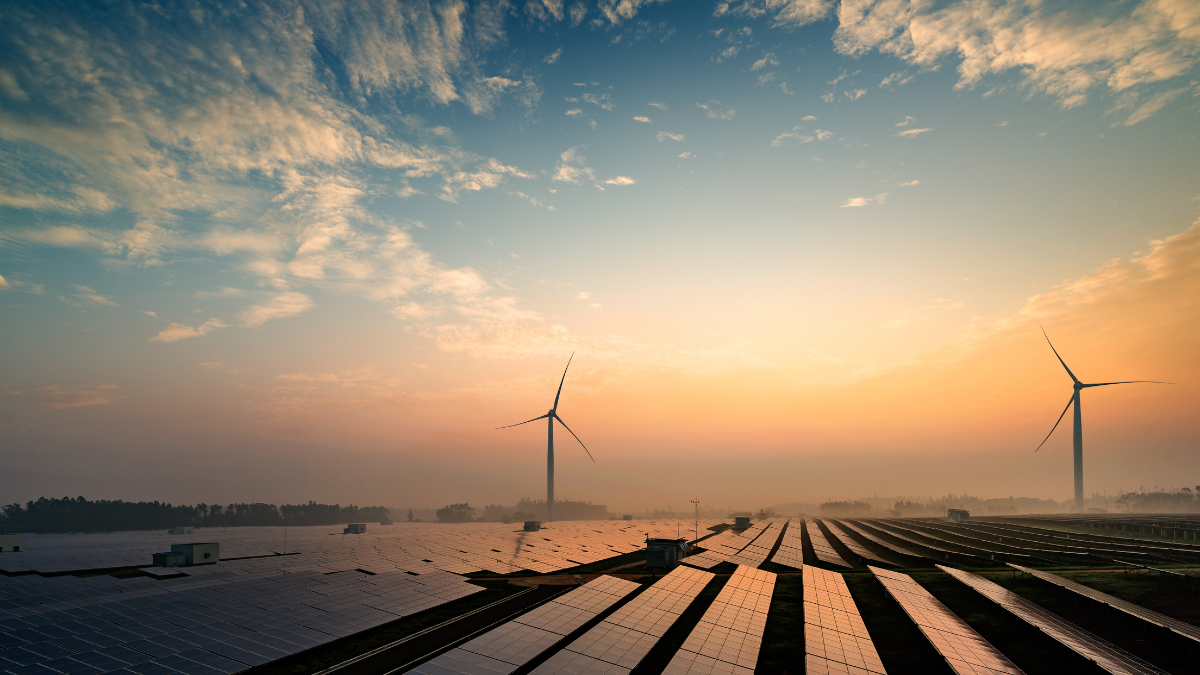
Maharashtra’s updated renewable energy framework is drawing attention from industry bodies and consumer advocates, with emerging concerns over how the policy could influence electricity costs for residential users. While the policy aims to accelerate clean energy adoption, its implications for household tariffs and distribution economics are becoming a key point of discussion. The revised framework is designed to expand renewable energy capacity across the state, aligning with national and global commitments to reduce carbon emissions. However, stakeholders indicate that the structure of procurement, integration costs, and distribution mechanisms could have downstream effects on end consumers, particularly in urban areas where demand is high and pricing sensitivity is significant.
Energy experts note that transitioning to renewable sources involves not just generation but also investments in grid modernisation, storage solutions, and balancing mechanisms to manage intermittent supply. These additional costs, if not carefully managed, can influence tariff structures, raising concerns about affordability for residential users. The Maharashtra renewable energy policy is part of a broader shift towards decarbonising the power sector. For cities, this transition is critical to reducing emissions and improving air quality. However, ensuring that the benefits of cleaner energy are equitably distributed remains a challenge. Policymakers must balance sustainability goals with consumer protection, particularly for middle- and lower-income households. Urban economists highlight that energy affordability is closely linked to overall cost of living. Even moderate increases in electricity tariffs can have a ripple effect on household budgets, especially in cities where expenses are already rising. Transparent pricing mechanisms and targeted subsidies may therefore be necessary to mitigate potential impacts. At the same time, the policy presents opportunities for decentralised energy systems. Rooftop solar installations and localised renewable solutions can empower consumers to reduce dependence on grid power and manage costs more effectively. Encouraging such adoption could help offset some of the pressures associated with large-scale renewable integration. Industry representatives emphasise the importance of clear regulatory frameworks and predictable pricing to maintain investor confidence while safeguarding consumer interests. The success of the policy will depend on how effectively these competing priorities are managed. From an infrastructure perspective, integrating higher shares of renewable energy requires robust planning and coordination across generation, transmission, and distribution networks. Investments in smart grids and energy storage will be critical to ensuring reliability and efficiency.
As Maharashtra advances its clean energy transition, the evolving policy landscape will need to address both environmental and economic considerations. The coming months are likely to see continued dialogue between policymakers, industry, and consumer groups to refine the approach. Ultimately, the effectiveness of the Maharashtra renewable energy policy will be judged by its ability to deliver cleaner power without placing disproportionate financial strain on households, ensuring a transition that is both sustainable and inclusive.
ALSO READ – Nagpur High Court Pils Highlight Urban Governance Gaps
Nagpur Renewable Energy Policy Impacts Urban Consumers
