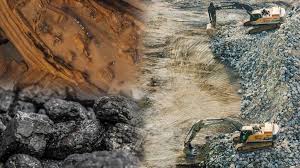
India’s mineral landscape is poised for strategic change after new discoveries revealed rare earth elements (REEs) alongside traditional resources in the Vidarbha region, signalling fresh opportunities for industrial diversification and technology-linked infrastructure growth. The findings, reported by geological teams in eastern Maharashtra, point to deposits that could support advanced manufacturing and energy transition technologies — with implications for regional economic development and climate-aligned industrialisation.
Traditionally, Vidarbha’s mineral identity has been rooted in iron ore and associated base metals such as lead, zinc and tungsten, with commercial operations around Gadchiroli and Kuhi drawing investment and mining activity. However, recent explorations conducted by a Coal India subsidiary have identified rare earth elements in coal overburden material near Ramtek in Nagpur district, prompting further sampling and technical analysis by specialised research centres.Rare earth elements — including lithium, beryllium, potassium and barium — are essential in a range of modern technologies, from electric vehicles and renewable energy systems to defence and electronics industries, making sustainable domestic sources strategically important given India’s goals for technological self-reliance. Their presence in Vidarbha expands the region’s mineral portfolio beyond conventional iron and coal, aligning with national policy efforts to secure critical minerals and reduce dependence on imports, particularly from dominant global producers.
Officials have emphasised that these energy-transition minerals could catalyse new economic activity in the region, including value-added processing and linkages with manufacturing clusters. Geological samples have already been dispatched to the Non-Ferrous Technology Development Centre (NDTDC) for detailed assessment, and exploratory work is planned across multiple mining sites. This research phase is crucial, as extracting REEs at scale requires rigorous evaluation of ore quality, processing requirements and environmental safeguards.For planners and urban development specialists, the discovery echoes wider trends in resource-driven growth corridors where critical mineral endowments intersect with infrastructure and industrial policy. Regional economic forums, such as the Advantage Vidarbha summit, have underscored the importance of diversifying beyond traditional extractive sectors towards technology-linked industries and supply chains that support low-carbon mobility and advanced manufacturing.
Yet realising these resources responsibly will require balancing extraction with land stewardship, water security and community inclusion. Rare earth mining can pose environmental challenges — including soil and water impacts — if not managed with stringent monitoring and rehabilitation plans, as seen in global precedents. For Vidarbha’s largely rural populations, equitable access to benefits such as jobs, skills training and infrastructure upgrades remains a central concern.State and local policymakers now face the task of integrating these mineral prospects into broader regional planning frameworks that prioritise sustainable industry, ecological resilience and social equity. This includes ensuring that any future mining or processing activities adhere to high environmental standards and deliver lasting value to nearby towns and cities.
As India intensifies its focus on strategic minerals and technology ecosystems, Vidarbha’s evolving role in the rare earth landscape could help anchor climate-oriented industrial growth while supporting the region’s transition from traditional mining to diversified, future-ready economic sectors.