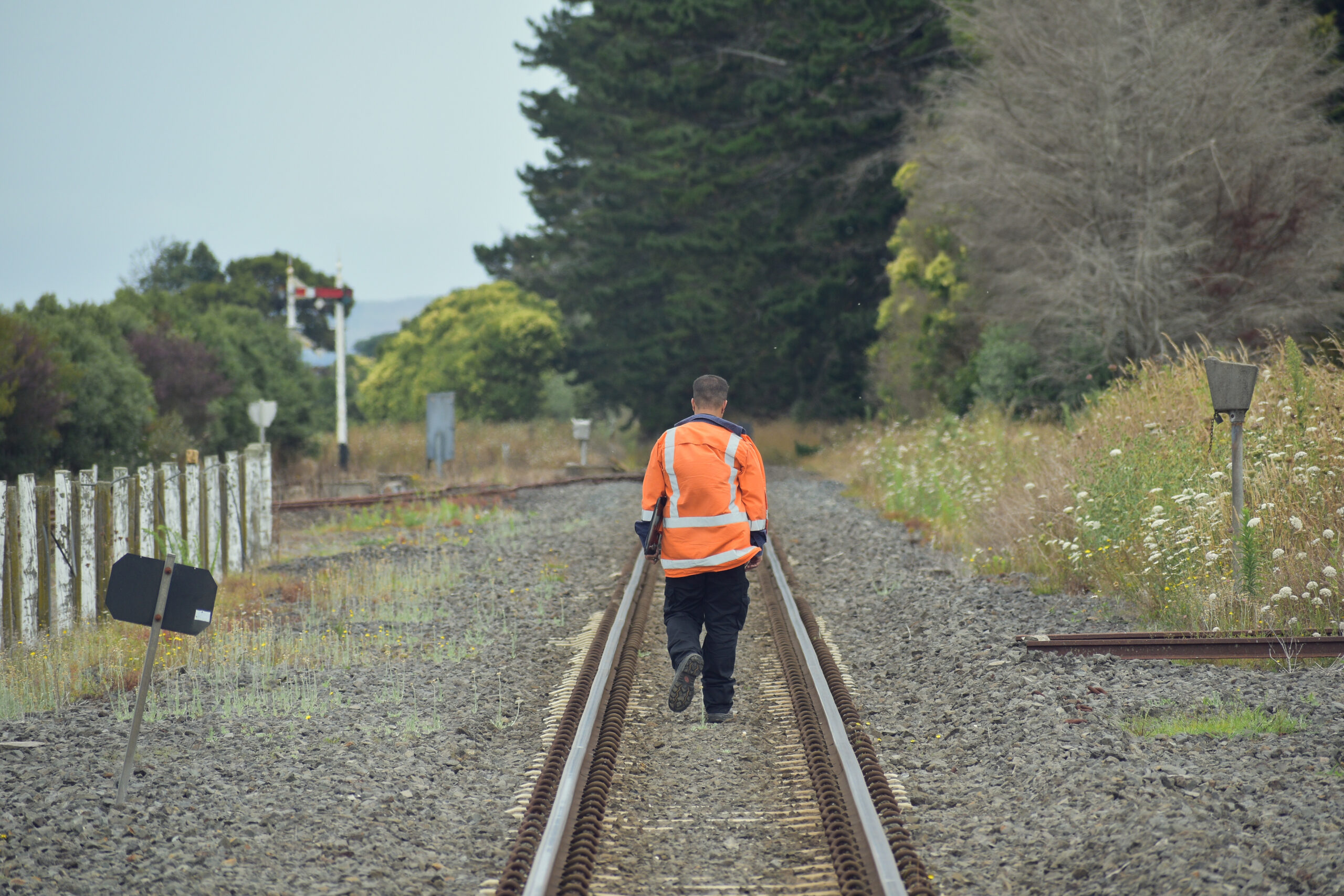
Nagpur’s Wardha–Yavatmal–Nanded railway project has come under intense scrutiny after four children drowned in a water-filled excavation pit, prompting the Railways to announce an ex-gratia relief of Rs 4 lakh each to the bereaved families.The tragic incident, which occurred in Yavatmal district earlier this week, has ignited a broader debate over safety compliance at infrastructure sites, especially in fast-growing urban and semi-urban areas.
Local residents have expressed anger, alleging that the site lacked proper barricading and warning systems to keep children and bystanders away. Officials of Rail Vikas Nigam Limited (RVNL), which is implementing the project, rejected these claims, stating that the site was protected by earthen bunds, caution tape, and security personnel.
The Wardha–Yavatmal–Nanded line is considered a critical project, aimed at improving connectivity across eastern Maharashtra and spurring regional economic growth. Yet, the incident has highlighted the darker side of rapid infrastructure expansion in India—where safety standards, environmental concerns, and community welfare are often compromised under project deadlines and cost pressures.
In its statement, RVNL acknowledged the loss of young lives and underscored that no monetary relief could compensate for the grief of families. Officials said the ex-gratia support was meant to provide immediate assistance and reiterated their commitment to safety protocols. However, urban planners and safety experts argue that the tragedy reveals structural weaknesses in project oversight. “Barricades and guards are not enough; child-proof fencing, clear signages, and community awareness are vital in zones with ongoing construction,” said a senior safety consultant monitoring infrastructure projects in Maharashtra. Beyond immediate accountability, the mishap has reopened discussions on the need for embedding sustainability and inclusivity into India’s infrastructure agenda. Advocates of safe and equitable cities stress that construction zones must prioritise not just project efficiency but also public safety, particularly for vulnerable groups such as children. A lack of proper drainage at excavation sites, which allows pits to fill with water during monsoon rains, further adds to the risks.
For Nagpur and the wider Vidarbha region, where railway expansion is central to both freight and passenger mobility, the incident serves as a wake-up call. Civic groups have already called for independent audits of railway and road projects to ensure that contractors and project managers strictly follow safety norms. Stronger penalties for negligence, coupled with citizen participation in oversight, are being demanded as ways to avoid similar tragedies in the future. As the project moves forward, the focus will not only be on laying tracks but also on building public trust. Infrastructure that aspires to power regional development must be designed with human safety at its heart. The Nagpur tragedy is a stark reminder that in building modern transport corridors, lives on the ground cannot be an afterthought.