


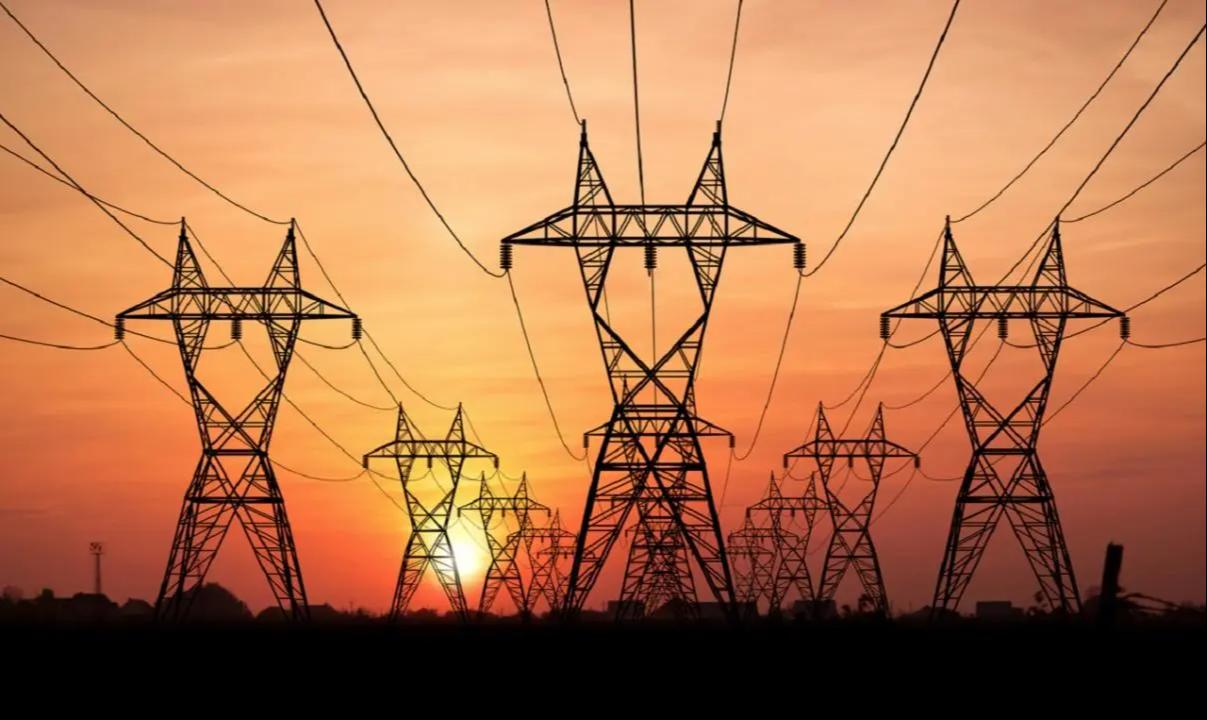
Nagpur has witnessed a large-scale suspension of electricity services after the state distribution utility disconnected over 21,000 consumers for unpaid bills, highlighting mounting financial stress within urban service delivery systems. The action underscores the growing challenge of balancing affordability, compliance, and infrastructure sustainability in fast-expanding cities. Officials overseeing power distribution indicated that the disconnections followed repeated notices and were concentrated across residential and small commercial segments. The scale of the Nagpur power disconnections points to a broader issue of delayed payments, particularly in areas where income volatility and rising living costs are affecting household finances.
Urban economists note that electricity utilities operate on tight financial cycles, where unpaid dues directly impact their ability to maintain networks, invest in upgrades, and procure power. In this context, Nagpur power disconnections are not just an enforcement measure but also a signal of systemic strain in urban utility financing. The situation raises concerns about service equity. For many low- and middle-income households, temporary loss of electricity can disrupt livelihoods, education, and access to essential services. Urban planners argue that while enforcement is necessary, cities must also explore structured repayment plans and targeted subsidies to prevent exclusion from basic services.The issue is particularly relevant as cities like Nagpur expand into peri-urban areas, where infrastructure provisioning often outpaces income stability. In such zones, irregular billing cycles, disputed charges, and lack of awareness about payment systems can contribute to rising arrears. Experts suggest that digital billing transparency and consumer engagement could reduce defaults over time. From a governance perspective, the episode highlights the need for smarter utility management. Data-driven monitoring of consumption patterns, early identification of payment risks, and flexible billing mechanisms can help utilities maintain revenue flows without resorting to mass disconnections. At the same time, enforcement actions like Nagpur power disconnections remain a critical tool to discourage chronic non-payment. There are also implications for climate and energy transitions. Financially stressed utilities may struggle to invest in renewable integration, grid modernisation, and energy-efficient systems. Ensuring stable revenue streams is therefore essential not only for service continuity but also for advancing low-carbon urban infrastructure.
Looking ahead, the focus is likely to shift towards balancing recovery of dues with consumer protection. Structured payment windows, awareness campaigns, and decentralised grievance systems could help rebuild trust between utilities and users. As Nagpur continues to grow as a regional economic hub, maintaining reliable and inclusive electricity access will remain central to its urban resilience and long-term development trajectory.
ALSO READ – Nagpur Logistics Hub Deal Strengthens MIHAN Growth Prospects
Nagpur Power Disconnections Expose Urban Payment Gaps
