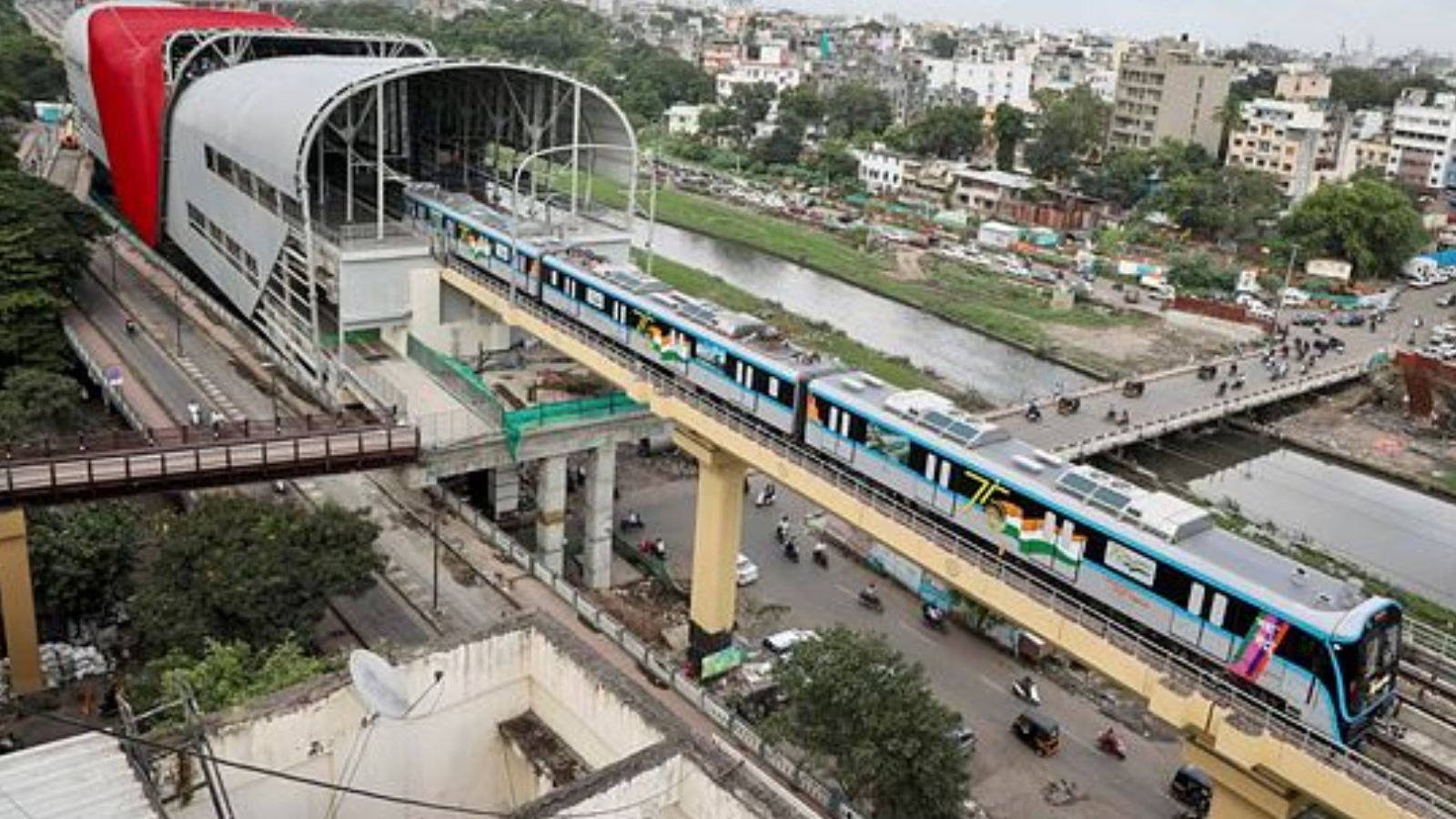
Nagpur Metro Theft Raises Infrastructure Security Concerns
A late-night Nagpur metro theft involving construction material worth ₹17 lakh has raised fresh concerns over security protocols at large-scale urban infrastructure sites, particularly as the city expands its rapid transit network.The incident occurred at a Phase-II metro construction stretch near Kamptee, where unidentified individuals reportedly entered the site and removed key iron components used in elevated corridor construction. The theft took place around 11 pm, with the suspects arriving in a vehicle, loading structural materials, and fleeing before security could intervene.
Authorities have registered a case and initiated an investigation, but the episode has drawn attention to a recurring vulnerability in infrastructure development—unsecured or poorly monitored project sites, especially during off-peak hours.The Nagpur metro theft is not just a criminal incident; it reflects a broader challenge in managing high-value assets across dispersed construction zones. Metro projects typically span kilometres, with multiple contractors, subcontractors, and temporary storage points for materials. This complexity often creates gaps in surveillance, accountability, and real-time monitoring.Urban infrastructure experts point out that as Indian cities invest heavily in transit systems, the risk of material loss, theft, or damage becomes an economic concern. Even relatively small incidents can delay construction timelines, increase insurance costs, and disrupt supply chains. In high-value projects like metro rail, such losses may also affect contractor efficiency and project delivery schedules.
For Nagpur, which is positioning itself as a transit-oriented growth hub, ensuring the integrity of infrastructure execution is critical. The metro expansion is expected to influence real estate development, reduce traffic congestion, and support low-carbon mobility. However, lapses in site security could undermine both timelines and investor confidence.The incident also comes amid a series of operational and safety challenges linked to metro construction phases. From equipment failures to material handling risks, large infrastructure projects require tightly coordinated safety and monitoring systems. While these are typically designed into project frameworks, implementation on the ground often varies depending on contractor practices.Experts suggest that adopting technology-driven surveillance—such as geofencing, RFID tagging of materials, and AI-enabled monitoring—could significantly reduce such risks. In addition, clearer accountability frameworks between contractors and security agencies are seen as essential to prevent similar breaches.From a governance perspective, the theft underscores the need for integrating security planning into infrastructure policy, rather than treating it as an operational afterthought. As cities scale up investments in public transport and urban mobility, safeguarding construction ecosystems becomes as important as building them.
The Nagpur metro theft serves as a reminder that infrastructure resilience is not limited to design and engineering—it also depends on how effectively projects are protected during execution. With Phase-II expansion underway, ensuring secure, transparent, and efficient project management will be key to sustaining momentum in Nagpur’s urban transformation.