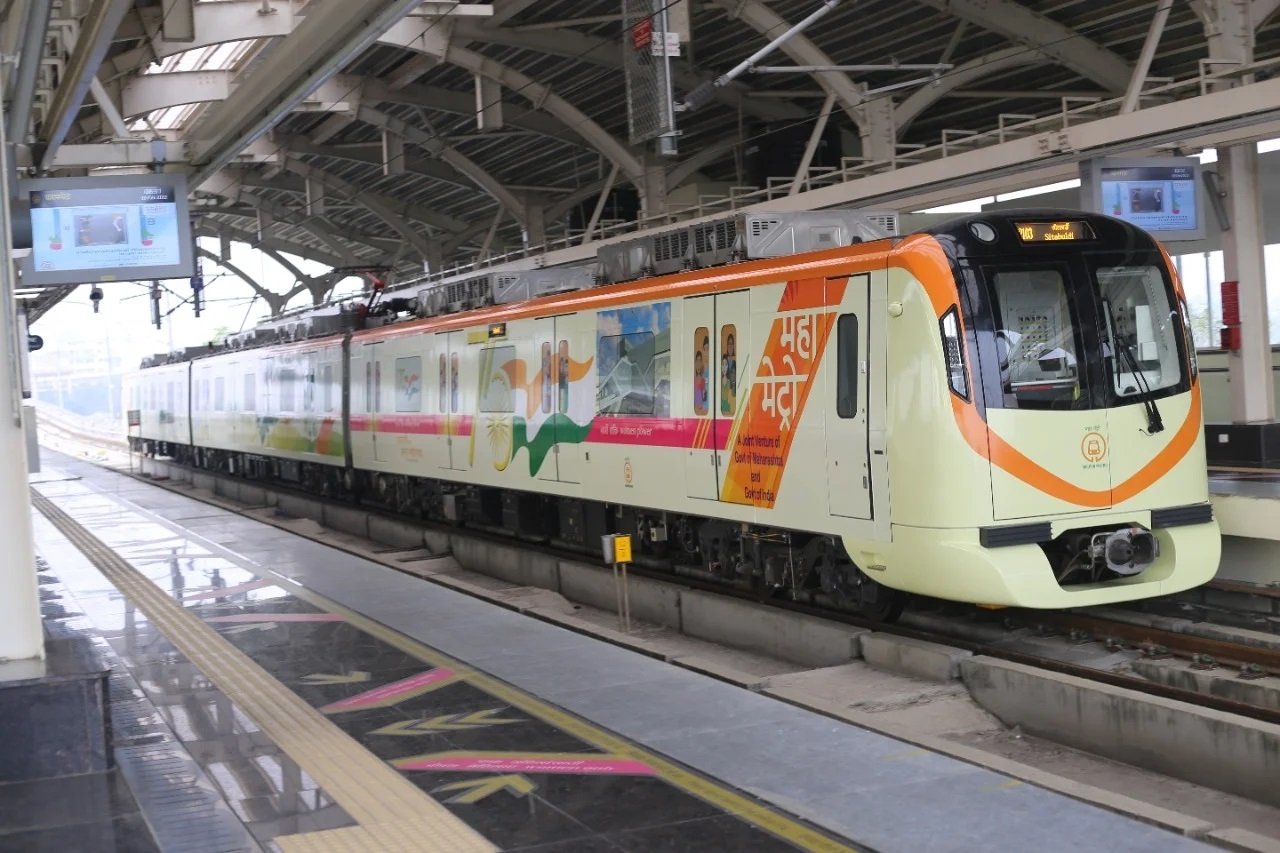
Nagpur Metro Introduces Vending Kiosks At Stations
In a bid to enhance commuter convenience and improve public transport utility, transport planners have rolled out seven integrated vending and service kiosks across key Nagpur Metro stations, marking a step toward more amenity-rich and user-friendly transit environments in India’s emerging urban centres. The initiative — part of a broader effort to strengthen first- and last-mile connectivity — aims to transform metro stops from mere boarding points into service hubs that better serve daily riders and local communities.
The newly installed kiosks are strategically located at high-traffic stations, where passenger volumes and interchange activity are highest. The facilities are designed to house a range of services including ticketing assistance, wayfinding information, retail options and digital support for commuters, with the express intent of making the metro system more intuitive and accessible for diverse user groups — from office workers to students and senior citizens.Transit planners and urban mobility experts say that integrating basic amenities at stations enhances the overall travel experience, encouraging broader adoption of public transport and easing pressure on road networks. In fast-growing cities like Nagpur, where population expansion and economic activity have heightened travel demand, incremental improvements such as these can shift commuter behaviour away from private vehicles — a shift that supports reduced emissions and more climate-aligned urban mobility.
A senior official involved in the metro’s operations explained that the kiosk rollout is responsive to rider feedback. Daily commuters had previously cited gaps in information availability, ticketing support and access to essential goods near platforms. By co-locating services directly within station premises, authorities hope to streamline journeys, improve wayfinding, and offer convenience without forcing passengers to leave the transit ecosystem during transfers.Local entrepreneurs and small vendors have also been engaged to operate select kiosks under micro-entrepreneurship schemes, aligning transit upgrades with inclusive economic opportunities. Small-scale retail and service delivery at transit hubs can generate local employment while creating a safer, more animated station environment — a trend observed in other metropolitan nodes where public transport is treated as a catalyst for urban revitalisation.
Urban planners emphasise that station-level amenities are a complement, not a substitute, for broader network investments. Enhancing feeder networks — such as bus linkages, shared mobility bays and pedestrian access — remains essential to create a truly seamless urban transport system. The kiosk programme, in this view, is an entry point into a wider transit-oriented development strategy that anticipates increased ridership and urban densification over the next decade.Indeed, transit-oriented development (TOD) models advocate multifunctional station precincts where mobility, commercial activity and public spaces intersect. By activating station spaces with useful services, transit authorities can nurture safer, more vibrant hubs that attract footfall throughout the day, not just during peak travel hours.
Commuter feedback in the first weeks since the kiosks went live has been broadly positive, with many riders noting quicker access to information and relief from previous gaps in service touchpoints. As the Nagpur Metro network expands and integrates further with surrounding urban fabric, these kiosks may be replicated at additional stations, subject to performance reviews and rider demands.
Looking ahead, authorities are exploring digital enhancements — including real-time travel updates and mobile ticketing support — to complement physical facilities. Such blended service models can help make public transport in Nagpur both resilient and responsive amid evolving urban mobility needs.