


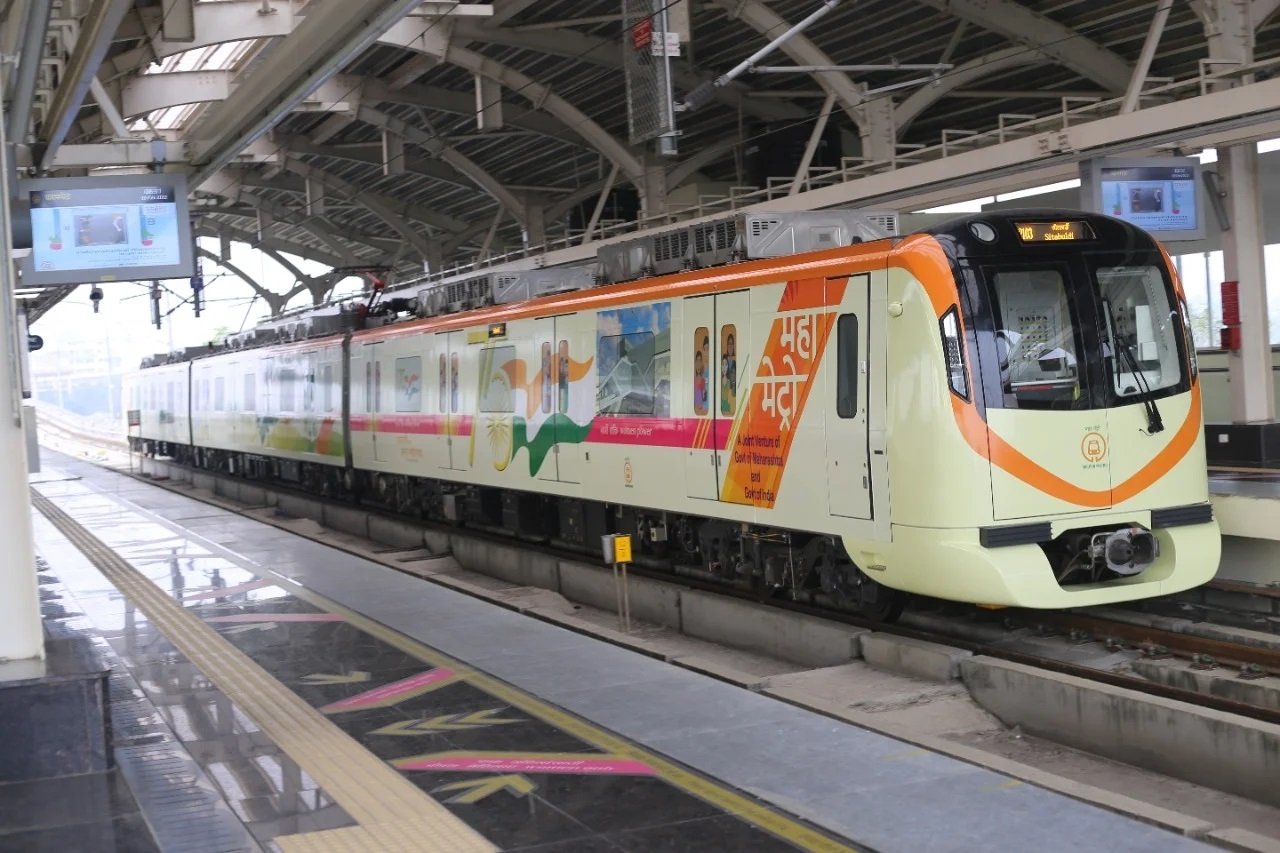
Nagpur’s rapid transit landscape is poised for a major overhaul as Phase 3 of the Metro project proposes a 54.5-kilometre expansion to take the rail network from its existing 82 km to approximately 129 km, positioning the city’s metro among the most extensive in India’s tier-two urban centres.
The planned growth reflects deeper ambitions to enhance connectivity, reduce road congestion and embed low-carbon mobility in the city’s long-term urban development strategy. The proposed Phase 3 blueprint spans four strategic corridors, effectively reshaping Nagpur’s network geometry from linear alignments to a more interconnected, hub-and-spoke system. A key segment — the Inner Ring Road corridor linking Mankapur Chowk to Rachana Junction — alone contributes roughly 25 km, while additional links aim to boost north-south access and industrial zone connectivity.
Urban transport planners see this expansion as a strategic lever in addressing mobility deficits that accompany Nagpur’s burgeoning population and economic footprint. By extending rapid transit to peripheral neighbourhoods and growth zones, the city can curb reliance on private vehicles, cutting both emissions and commute times — a core priority for achieving climate-resilient and inclusive urban mobility. The proposal’s timing comes amid accelerating Metro Phase 2 construction, which itself will add nearly 44 km of track connecting suburban and industrial nodes such as Kanhan, Butibori and Hingna. Together, the phased expansions are expected to draw significantly higher daily ridership and spur densification around transit corridors.
Public authorities have also begun aligning land use strategies with transport investment, advancing Transit-Oriented Development (TOD) frameworks to concentrate housing, commerce and services within a walkable radius of Metro stations. These plans aim to enhance last-mile connectivity and elevate the Metro’s role in shaping equitable urban growth. Despite its promise, the phased expansion faces typical complexities of megaproject delivery: detailed project reports (DPRs) must be finalised over the coming months, balancing elevated and underground sections, station placement and cost allocations before tendering and construction can proceed. Officials emphasise that sequencing Phase 3 after Phase 2’s completion is essential for resource optimisation and service continuity.
Economic analysts view the network’s planned scale as a magnet for broader investment, enhancing workforce mobility and linking residential clusters with hubs of commerce and industry. For logistics and manufacturing sectors in particular, reliable mass transit can reduce labour friction and create more attractive operating conditions. Yet, integration remains a central challenge. Connecting bus networks, non-motorised transport and pedestrian infrastructure to the expanded Metro footprint will determine how effectively economic benefits diffuse across socio-economic groups and neighbourhoods. Civil society advocates underscore the importance of equitable access, especially for low-income and peripheral commuters who depend on affordable transit options.
As Nagpur positions itself among India’s fastest-growing urban economies, extending its metro network is more than mobility infrastructure — it is a structural investment in sustainable city building, climate impact reduction and inclusive metropolitan growth.
Also Read: Nagpur Turns Water Hyacinth Waste Into Eco-Craft Livelihoods
Nagpur Metro Expansion To 129 Km Transforms Transit
