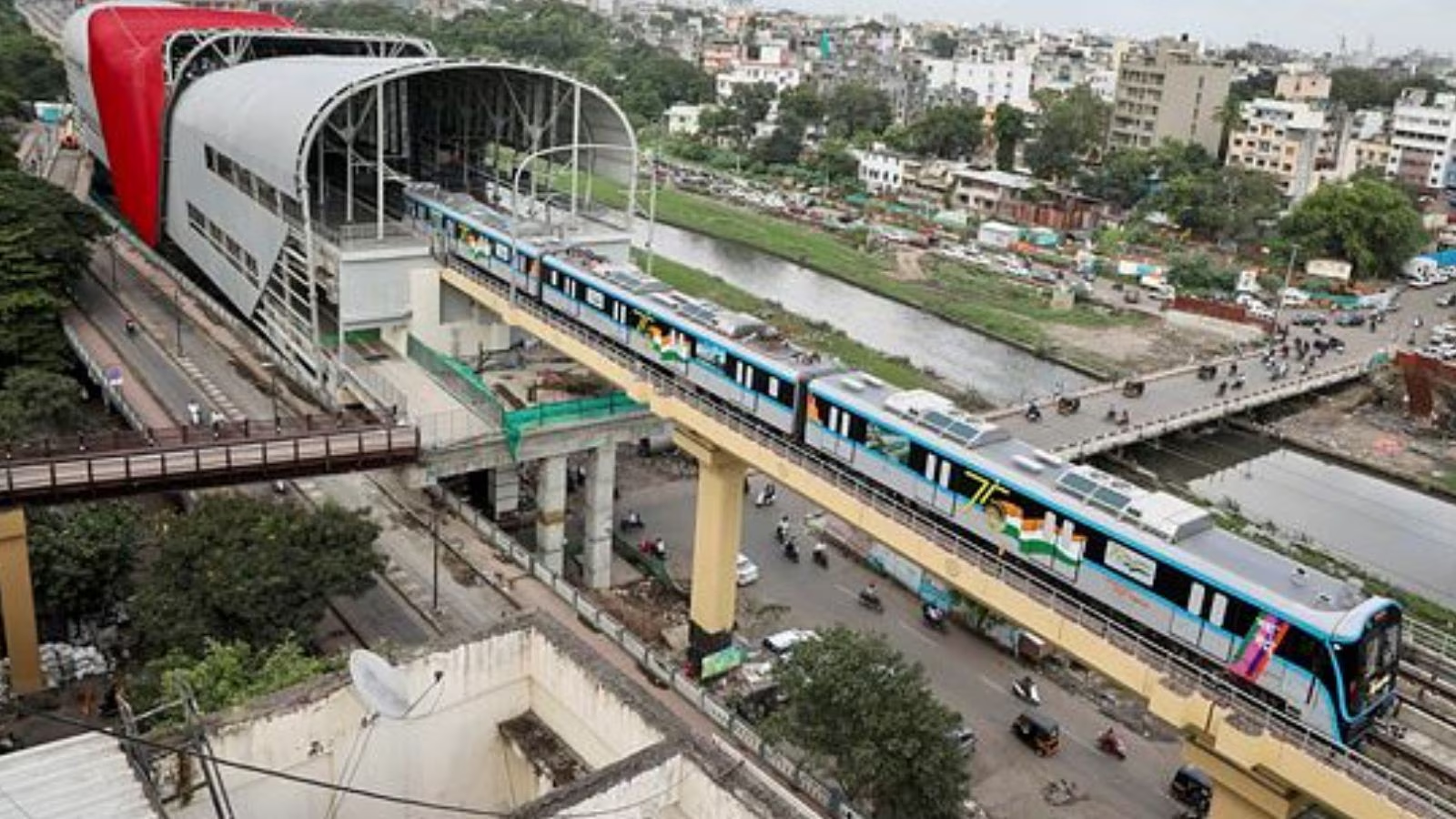
Nagpur’s urban transit network has completed seven years of operations, with ridership figures crossing more than 12 million passengers since the system began services. The milestone highlights the growing role of the Nagpur Metro ridership network in reshaping urban mobility patterns in one of central India’s fastest-growing cities. Transport authorities say the rise in Nagpur Metro ridership reflects increasing public acceptance of mass rapid transit as a reliable commuting option. The metro network has gradually become an important component of the city’s transport ecosystem, linking residential neighbourhoods with commercial districts, educational institutions and transport hubs. Nagpur was among the early tier-two Indian cities to invest in a modern metro system, aiming to reduce congestion and improve the efficiency of urban travel. Since its launch, the metro has served millions of commuters, helping shift a portion of daily travel away from private vehicles and road-based transport. Urban mobility experts note that public transport systems such as metro networks play a critical role in building sustainable cities. By offering a high-capacity, energy-efficient alternative to road travel, metro systems can reduce traffic congestion, lower emissions and improve air quality. The steady growth in Nagpur Metro ridership also indicates the importance of integrating transit infrastructure with broader urban planning strategies. Cities that connect metro corridors with bus networks, pedestrian pathways and transit-oriented development zones often see stronger adoption of public transport.
Nagpur’s metro corridors pass through several key urban areas, improving connectivity between commercial zones and residential clusters. For many commuters, the metro has become a predictable and time-efficient alternative to navigating the city’s increasingly busy road network. Urban planners say that mass transit investments can also influence the pattern of real estate development. Areas located near metro stations often attract residential and commercial projects due to improved accessibility and shorter commute times. The environmental benefits of metro systems are also significant. Electrified rail transit typically produces lower carbon emissions compared with large volumes of private vehicle travel. For cities aiming to build climate-resilient transport systems, expanding public transit networks is considered an essential strategy. However, transport analysts emphasise that metro systems must continue to expand connectivity and improve last-mile access to reach their full potential. Providing seamless links between metro stations and other modes of transport remains a key factor in increasing daily passenger numbers.
As Nagpur continues to grow economically and geographically, the metro network is expected to play a larger role in managing urban mobility demand. The steady rise in Nagpur Metro ridership suggests that residents are gradually embracing public transport as a core part of city life. With ongoing efforts to improve connectivity and integrate transit infrastructure with urban development, Nagpur’s metro system could become an even more central element of the city’s sustainable mobility strategy in the years ahead.