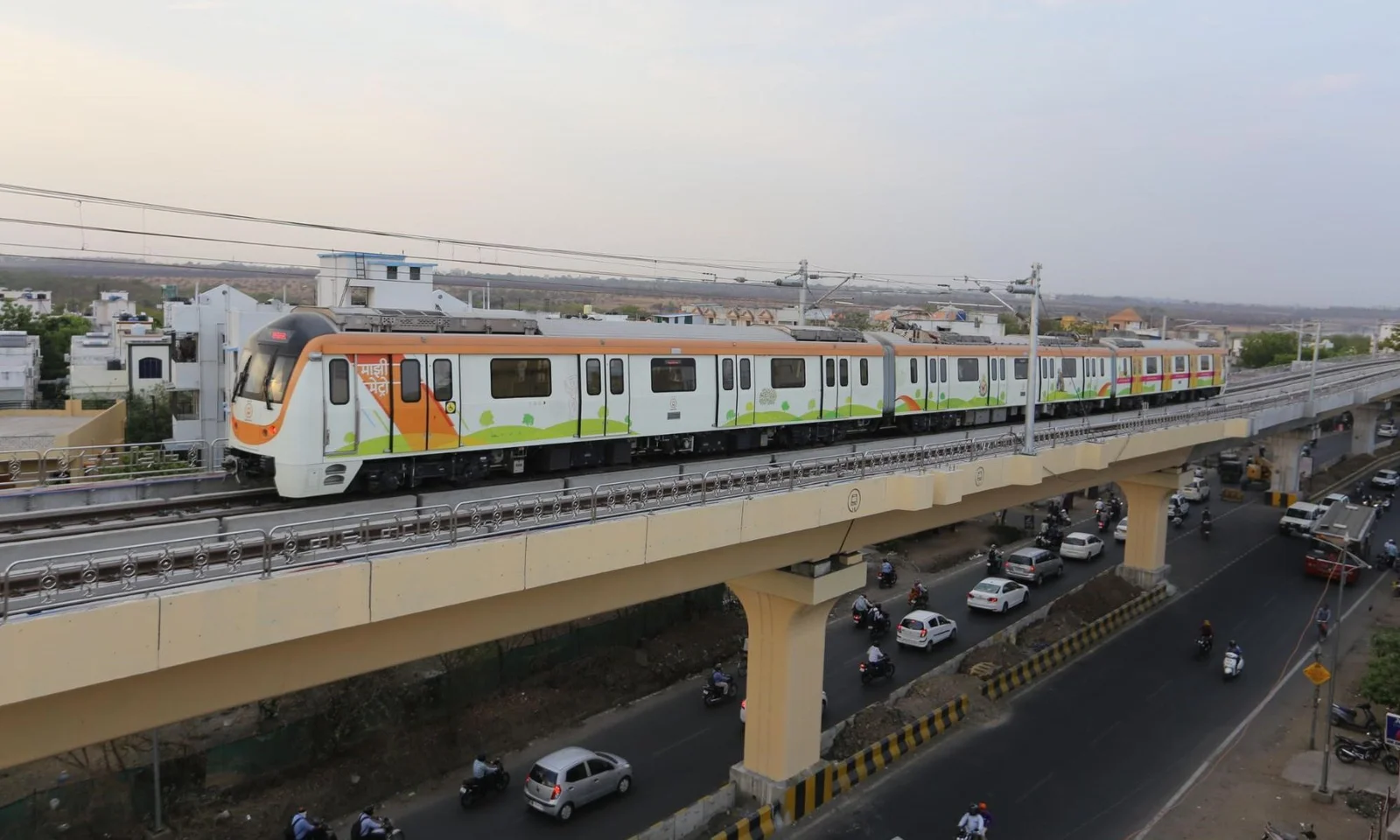
Nagpur Metro Expands Shared Rickshaw Service to Ease Commuter Strain
In a major boost for daily commuters, Nagpur has expanded its shared auto-rickshaw service to three more metro stations—Indora Square, Gaddigodam Square, and Zero Mile Freedom Park. This move by Maha Metro aims to bridge the long-standing last-mile connectivity gap in the city’s transport network. With this addition, 24 metro stations across Nagpur now offer shared mobility solutions, offering passengers a more convenient and eco-friendly travel experience. The initiative not only supports rising ridership but also aligns with broader goals of sustainable and integrated urban mobility.
The newly expanded feeder service is already garnering positive feedback from commuters who previously faced long walks or expensive private transport to reach their final destinations. Shared rickshaws stationed outside the metro exits now enable smoother transfers, particularly for students, working professionals, and elderly citizens. Officials confirmed that similar services launched earlier saw an 8–10% rise in daily ridership, proving that closing the first- and last-mile gaps can significantly enhance the usability of public transit. This development reflects a strategic pivot towards a greener, more accessible city transport model. Maha Metro’s ongoing transport integration effort underscores the importance of accessible mobility at every point of the urban journey. By targeting key interchange points such as Indora and Zero Mile, the initiative ensures that passengers can plan their trips end-to-end with fewer disruptions.
Experts suggest that such feeder services not only improve metro adoption rates but also reduce dependency on polluting vehicles. In a city where extreme weather often deters long walks, the availability of short-hop shared rides makes public transport a more viable daily option for many. The success of Nagpur’s shared rickshaw initiative is seen as a model that other Indian cities could replicate. As metro networks expand in Tier-2 cities, complementary feeder services will be essential to justify infrastructure costs and deliver the full benefits of urban transit. The positive public response highlights the demand for multimodal solutions that address everyday challenges like cost, accessibility, and time. For residents living beyond easy walking distance of stations, this initiative adds a critical layer of convenience while encouraging a shift from private to shared mobility.
Looking ahead, Maha Metro has announced plans to introduce the shared service at the remaining stations by year-end, reinforcing Nagpur’s image as a forward-thinking city prioritising sustainability and public good. As the city continues to experiment with integrated, low-emission mobility options, the focus on seamless connectivity remains central to its vision of equitable and climate-resilient urban transport. Stakeholders believe that a truly people-centric metro system depends not just on trains but also on how well it connects to homes, colleges, offices, and markets.