


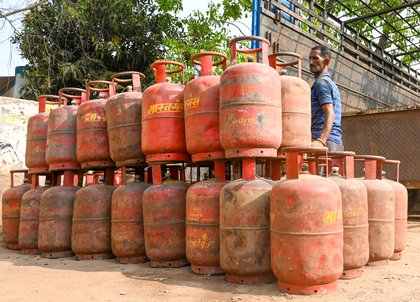
Nagpur’s cooking fuel supply chain is showing early signs of stabilisation after recent disruptions, with officials indicating that LPG availability to bottling units has resumed more consistently despite a slight dip in stock levels. The development offers cautious relief to households and businesses that have faced supply uncertainty in recent weeks. Authorities overseeing distribution note that while inventory levels remain under pressure, ongoing supply to bottling plants has helped maintain cylinder circulation across the city. This partial recovery is expected to ease immediate concerns, particularly for sectors heavily dependent on LPG, including hospitality and small-scale food enterprises. The Nagpur LPG supply situation highlights the delicate balance between stock availability and distribution efficiency in urban energy systems. Even minor fluctuations in inventory can have significant ripple effects, especially in densely populated cities where demand is continuous and highly concentrated.
Energy experts point out that urban fuel supply chains rely on synchronised logistics — from refinery output to bottling, transportation, and last-mile delivery. Disruptions at any stage can lead to temporary shortages, affecting both households and commercial users. In Nagpur’s case, recent constraints appear to have been linked to supply chain adjustments rather than structural shortages. The gradual improvement in Nagpur LPG supply is particularly important for maintaining stability in the city’s informal and service sectors. Street vendors, small restaurants, and low-income households are among the most affected during supply disruptions, as they have limited capacity to absorb price fluctuations or switch to alternative energy sources. From a governance perspective, the situation underscores the need for robust buffer mechanisms and better demand forecasting. Maintaining adequate reserve stocks and improving coordination between supply agencies can help cities respond more effectively to sudden demand spikes or logistical challenges. There are also broader sustainability considerations. While LPG is widely promoted as a cleaner alternative to traditional fuels, its reliability remains crucial to preventing a fallback to more polluting options. Ensuring a stable supply is therefore essential not only for economic continuity but also for environmental goals. Urban planners emphasise that diversifying energy sources could enhance resilience in the long term. Expanding access to electric cooking solutions and decentralised energy systems may reduce dependence on a single fuel source, particularly in high-demand urban centres.
Despite the recent improvement, officials caution that close monitoring will be required to ensure consistent supply in the coming weeks. Seasonal demand variations and logistical constraints can continue to influence availability, making proactive management essential. As Nagpur navigates its current fuel supply challenges, the stabilisation of LPG distribution offers temporary relief. However, the episode serves as a reminder that strengthening urban energy infrastructure is critical to supporting both livelihoods and sustainable city growth.
ALSO READ – Maharashtra Renewable Policy Reforms Aim To Unlock Clean Investment
Nagpur LPG Supply Stabilises After Recent Shortage Concerns
