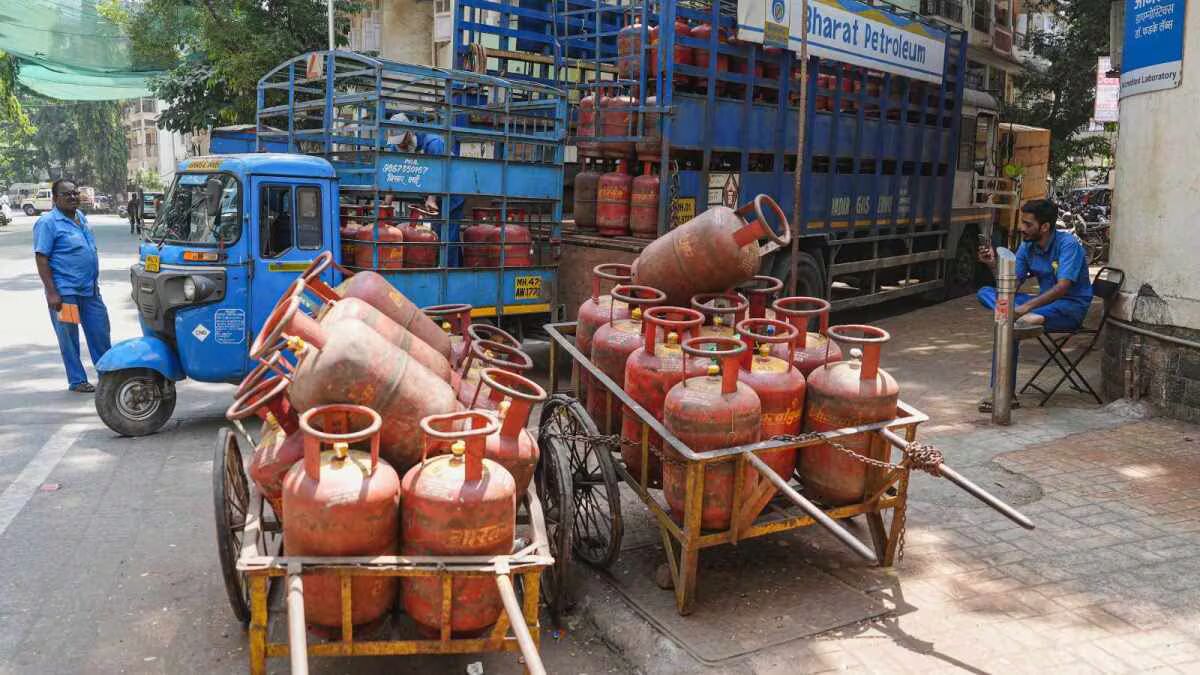
A growing delivery breakdown in Nagpur’s cooking gas supply chain is raising concerns over urban service reliability, with residents reporting that booked LPG cylinders are failing to reach households despite being marked as dispatched or delivered.
Multiple consumers across the city have flagged instances where LPG bookings remain stuck in transit status for days, or are incorrectly recorded as completed deliveries without actual receipt. The issue has triggered widespread frustration, with households left without a primary cooking fuel and limited recourse through existing grievance systems. The situation reflects a deeper Nagpur LPG delivery crisis, where digital tracking systems appear misaligned with on-ground logistics. In several cases, consumers reported that delivery updates—such as “out for delivery” or “delivered”—did not correspond with physical supply, creating confusion and blocking further bookings due to system restrictions. Industry observers point to a combination of factors behind the disruption. These include backend system glitches, frequent procedural changes by oil marketing companies, and operational lapses at the distribution level. Local agency operators have also acknowledged inconsistencies linked to evolving requirements such as e-KYC verification and mobile number updates, which may be affecting delivery workflows.
The crisis is unfolding against a broader backdrop of LPG supply stress across the region. Recent weeks have seen price hikes, reduced commercial allocations, and increased demand from domestic users, all of which are placing additional strain on distribution networks. In some cases, panic booking behaviour has further exacerbated availability challenges. Urban planners and governance experts suggest that the Nagpur LPG delivery crisis underscores the fragility of essential service systems in rapidly growing cities. As urban populations expand, reliance on digitally managed utilities—from fuel delivery to water supply—is increasing. However, gaps between digital interfaces and last-mile execution can lead to systemic failures that directly impact daily life.The implications extend beyond inconvenience. LPG remains the primary cooking fuel for a large share of urban households, and disruptions disproportionately affect lower- and middle-income groups who lack access to alternative energy sources. Extended delays can also push consumers towards unsafe substitutes such as firewood or informal fuel markets.There are also concerns around potential leakages in the system. While not officially confirmed, reports of missing deliveries have raised the possibility of diversion or black-market activity—issues that have historically surfaced during periods of supply imbalance.
From a policy perspective, the situation highlights the need for greater transparency and accountability in urban utility delivery. Experts advocate for real-time verification mechanisms, stronger audit trails, and improved grievance redressal systems to rebuild consumer trust.As Nagpur continues to position itself as a growing urban centre, ensuring the reliability of essential services like LPG distribution will be critical. The current Nagpur LPG delivery crisis may serve as a wake-up call for strengthening last-mile infrastructure, aligning digital systems with physical operations, and safeguarding access to basic urban utilities.